
Stone Creek Hardscapes Commercial Pavers Division
Commercial Pavers by Stone Creek Hardscapes in Denver
At Stone Creek Hardscapes, we specialize in designing and installing beautiful, durable paver hardscapes for commercial properties. Our team is skilled in creating functional outdoor spaces that meet state and federal guidelines. Whether it’s a mall, shopping center, or office complex, we understand the importance of delivering on schedule, especially when working within a Critical Path Construction Schedule.
Our ICPI-certified team combines precision installation with artistic design, ensuring every project looks as exceptional as it performs. Recognized three times by the ICPI Hardscape North America Awards, we bring award-winning craftsmanship and an understanding of the complexities of commercial building.
What our clients are saying about us
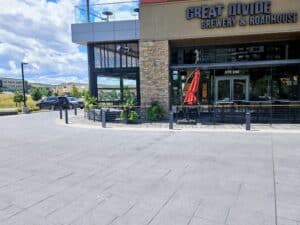
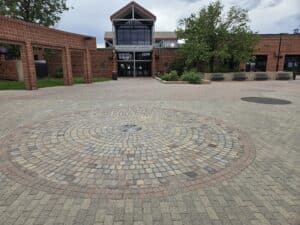
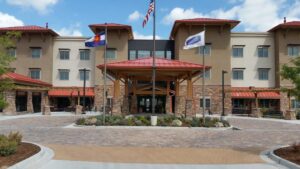
Interlocking Pavers for Heavy Loads
At Stone Creek Hardscapes, we recommend interlocking pavers as the top solution for high-traffic commercial areas in the Denver metro. These durable pavers are designed to withstand heavy loads for up to 50-100 years, ensuring they maintain their structural integrity year after year.
Our professional paver installation ensures a strong, durable surface that evenly distributes weight across each paver, making them perfect for spaces with constant vehicle or foot traffic.
The beauty of interlocking pavers lies in their smart design — repairs are straightforward and cost-effective. The interlocking pattern forms a flexible yet stable surface that resists cracking under pressure, keeping your commercial spaces looking and performing their best for the long term.
Additionally, the gaps between pavers allow natural water drainage, reducing puddling and water buildup, which are common issues in commercial areas. This drainage feature helps protect the foundation and extends the lifespan of your pavers, making them ideal for Denver’s variable climate.
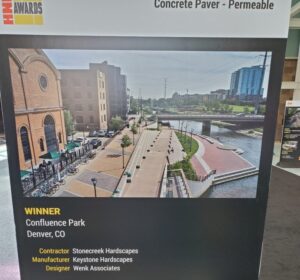

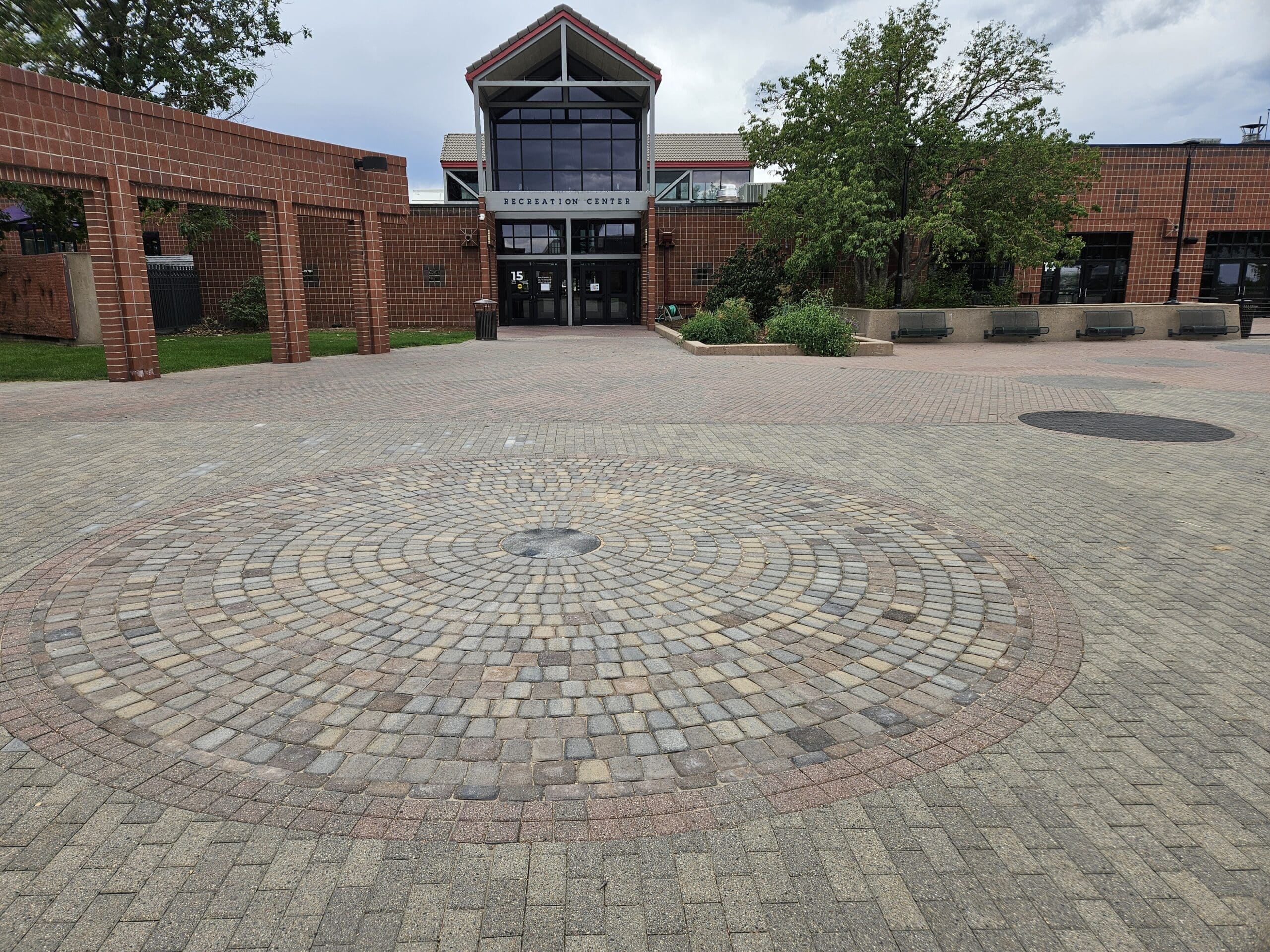
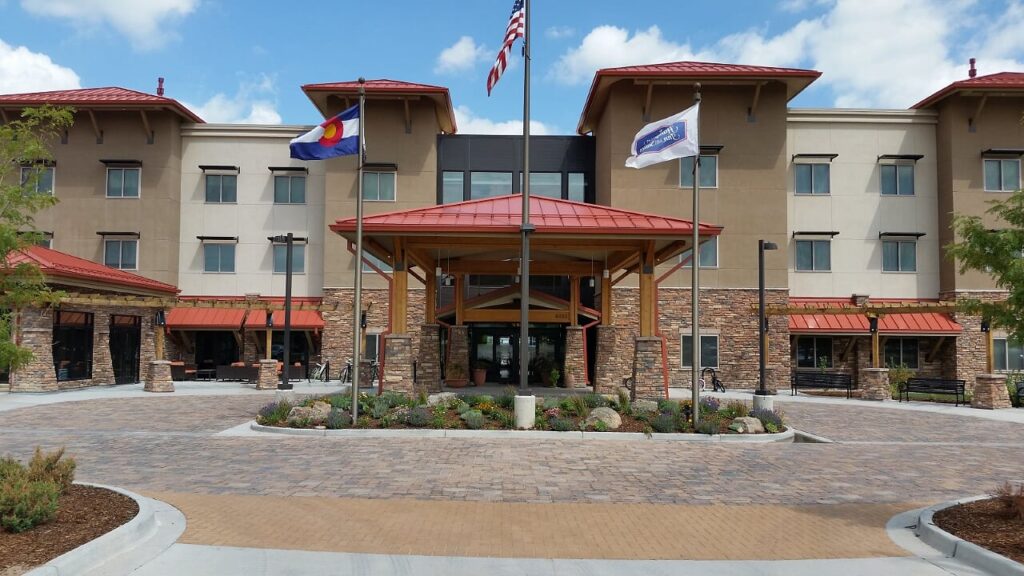

Permeable Pavers: The Smart Choice for Sustainable Commercial Projects in Denver
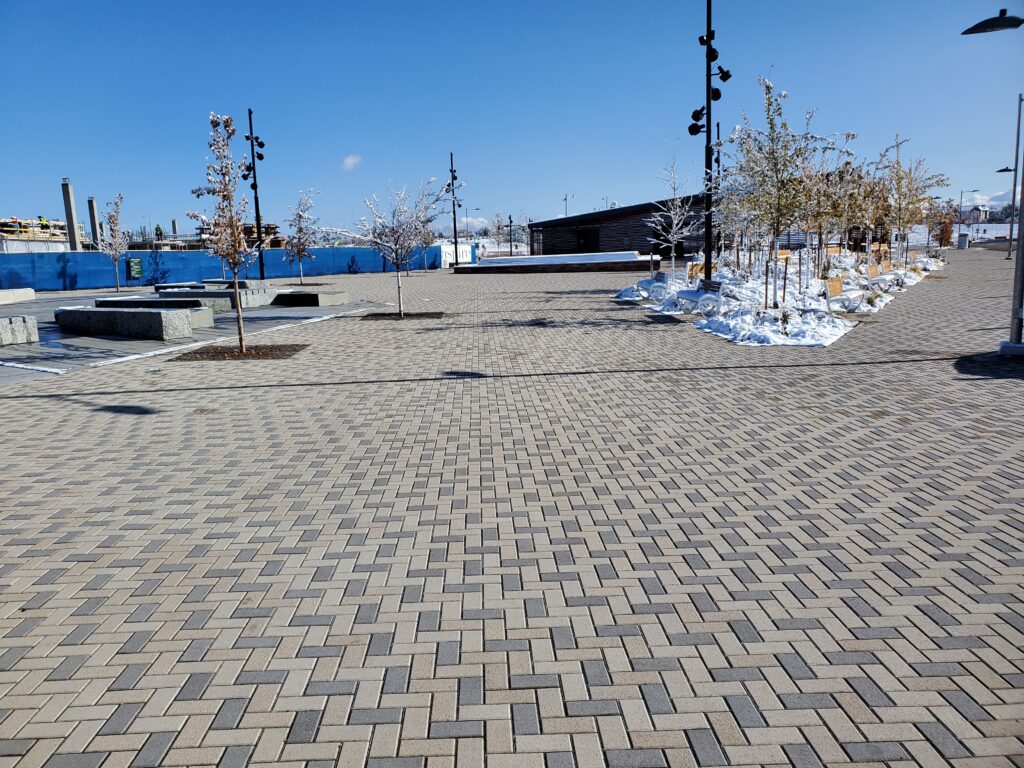
When it comes to managing water in high-traffic commercial spaces, permeable pavers offer an exceptional solution for Denver’s commercial projects. These eco-friendly pavers are designed to provide superior water management, making them perfect for areas that experience significant foot or vehicle traffic.
Permeable pavers allow rainwater to naturally filter through the surface and seep into the ground below, reducing stormwater runoff and minimizing flooding. This natural drainage process helps filter out pollutants, making them an ideal choice for sustainable, environmentally-conscious commercial landscaping.
Stone Creek Hardscapes provides professional masonry installation for these durable and sustainable pavers, ensuring that your commercial property is protected from water damage while promoting groundwater replenishment. By filtering and redirecting water naturally, permeable pavers help manage Denver’s variable climate conditions effectively.
Many Denver businesses choose permeable pavers to meet environmental regulations and reduce long-term maintenance costs.
Your Vision. Our Design. Let’s Bring Your Commercial Project to Life.
Get your free, no-obligation consultation and detailed plan — see your project before you build.
Why Contractors Choose Stone Creek Hardscapes
Our crews are fully certified through the Interlocking Concrete Pavement Institute (ICPI) and Permeable Interlocking Concrete Pavement (PICP) programs — the national standards for paver installation excellence. This means every project is built to last, with proper base prep, drainage, and compaction for long-term performance in Colorado’s demanding climate.
At Stone Creek Hardscapes, we bring years of experience and in-depth knowledge to every commercial project we take on. Our approach to commercial work goes beyond just providing a quote — we offer custom design plans tailored to your specific needs. Each proposal comes with a detailed layout, material recommendations, and clear pricing, giving you a clear vision of what your commercial space will look like before construction begins. We understand the complexities of commercial projects and ensure that every detail is covered, from ADA compliance to stormwater management. With our free design consultations, you’ll get the guidance and expertise you need, with no pressure, to move forward confidently and make informed decisions about your project. Whether it’s for retail spaces, office complexes, or parking lots, Stone Creek Hardscapes delivers results that meet your needs and exceed your expectations.
Stone Creek Hardscapes & Design is fully licensed and insured for all residential and commercial hardscape projects in Colorado. This gives you peace of mind knowing that your investment is protected, and that every project is completed safely, professionally, and to code.
Stone Creek Hardscapes is proud to be a three-time national award winner for design and installation excellence at the Hardscape North America Awards (2016, 2019, and 2020). These honors recognize our commitment to precision craftsmanship, innovation, and customer satisfaction on every project we complete.
1. What are the benefits of using commercial pavers in Denver, CO?
Commercial pavers offer durability, aesthetic appeal, and low maintenance, making them an ideal choice for businesses in Denver, CO. These pavers are designed to withstand extreme weather conditions and heavy traffic. They also provide excellent drainage, reducing water runoff during Denver’s frequent rainstorms and snowmelt. Pavers are customizable, available in various shapes, colors, and textures, allowing businesses to create unique outdoor spaces. Compared to concrete, pavers require less maintenance and can be easily repaired, saving money in the long run.
2. How do pavers perform in cold weather in Denver?
Pavers in Denver’s cold weather are built to withstand freeze-thaw cycles. Unlike concrete, which can crack due to the expansion and contraction caused by freezing temperatures, interlocking pavers naturally adjust, preventing damage. The gaps between the pavers allow for proper drainage, which helps reduce water pooling and minimizes freeze damage. Additionally, since individual pavers can be replaced without disturbing the entire surface, they remain a highly reliable option for commercial projects in cold climates. This makes pavers ideal for high-traffic areas in Denver, including parking lots, driveways, and walkways.
3. Can pavers withstand heavy traffic in commercial areas?
Yes, commercial pavers are specifically designed to handle heavy traffic, including vehicles and foot traffic, in Denver’s commercial spaces. The interlocking design of pavers allows for better weight distribution, ensuring a durable and stable surface. With proper installation, pavers can withstand the constant wear and tear from cars, trucks, and pedestrians. In high-traffic areas such as parking lots, entryways, and walkways, pavers provide a long-lasting surface that does not crack or shift under heavy loads. They also allow for easy repairs, as damaged pavers can be replaced individually.
4. How do commercial pavers compare to concrete in durability?
Commercial pavers are more durable than concrete in many ways. Concrete can crack over time due to expansion, contraction, and freeze-thaw cycles, especially in cold weather like Denver’s. Pavers, on the other hand, expand and contract naturally, which makes them more resistant to cracking and damage. The interlocking nature of paver installations allows for even weight distribution, preventing shifting. If a paver does become damaged, it can be easily replaced, whereas repairing concrete typically involves patching or resurfacing, which can be costly.
5. What makes pavers easier to repair than other road surfaces?
Pavers are much easier to repair compared to concrete or asphalt. When a section of concrete or asphalt becomes damaged, it often requires extensive resurfacing or replacement of the entire surface. With pavers, you only need to replace the individual stones that are damaged, without affecting the rest of the surface. This makes repairs not only easier but more cost-effective. For commercial properties in Denver, this can save time and money, especially in high-traffic areas like parking lots and walkways.
6. What is the lifespan of commercial pavers in Denver, CO?
The lifespan of commercial pavers in Denver can range from 50 to 100 years, depending on the quality of the installation and the materials used. Interlocking pavers are known for their long-lasting durability and resistance to the extreme weather conditions typical of Colorado. Unlike concrete, pavers do not crack or deteriorate over time, which significantly extends their lifespan. With proper maintenance, such as occasional cleaning and replacing damaged pavers, they can last for decades without the need for major repairs. This makes them an excellent long-term investment for commercial properties.
7. How do permeable pavers help with water drainage in commercial properties?
Permeable pavers are an excellent choice for stormwater management in commercial spaces in Denver. These pavers allow rainwater to pass through the surface, filtering it naturally into the ground below. This reduces the risk of flooding and water pooling, common issues in areas with heavy rain or snowmelt. Permeable pavers also help prevent stormwater runoff, which can reduce erosion and protect the foundation of your commercial building. These pavers help meet Denver’s stormwater regulations and are an eco-friendly solution for sustainable design.
8. Are pavers environmentally friendly for commercial projects?
Yes, pavers are an environmentally friendly option for commercial projects in Denver. Many pavers are made from natural materials like stone, which reduces the need for asphalt or concrete. Additionally, permeable pavers allow for better stormwater management, reducing runoff and protecting local waterways. The ability to reuse and recycle pavers further reduces the environmental impact. Choosing pavers for your commercial project helps meet sustainable design goals while contributing to a greener urban landscape.
9. Do pavers require regular maintenance for commercial spaces?
Commercial pavers require very little maintenance compared to other road surfaces like asphalt or concrete. In Denver’s commercial areas, pavers should be cleaned occasionally to prevent dirt buildup and maintain their appearance. While regular sealing can help maintain color and prevent staining, it’s not mandatory for paver longevity. The real advantage of pavers is that if one becomes damaged, you can replace just that piece without disrupting the entire surface. This simple repair process reduces maintenance costs over the years.
10. How do pavers reduce the risk of cracks in high-traffic commercial areas?
Unlike concrete, interlocking pavers are flexible, which helps prevent cracks in high-traffic commercial areas. The design allows for slight movement, enabling pavers to expand and contract naturally with the weather, without cracking. This flexibility is crucial in Denver, where freeze-thaw cycles can cause concrete to shift and crack. Because pavers interlock, they distribute weight evenly across the surface, further reducing the risk of damage. This makes pavers the ideal choice for parking lots, walkways, and other commercial areas with high foot or vehicle traffic.
11. What makes pavers more durable than asphalt for commercial use?
Pavers offer several advantages over asphalt for commercial applications. While asphalt can deteriorate over time due to weather conditions and constant wear, pavers are more resistant to cracking, shifting, and other forms of damage. Asphalt also requires frequent resurfacing, which can be costly, while pavers can be easily repaired by replacing individual stones. Pavers are more aesthetic and offer more design options than asphalt, making them perfect for enhancing the appearance of commercial properties. For Denver businesses, pavers are a better long-term investment for durability and maintenance.
12. How do pavers help with ADA compliance in commercial spaces?
Pavers are a great option for ensuring ADA compliance in Denver commercial spaces. Their interlocking design allows for a smooth, even surface that accommodates wheelchairs and strollers. When installed correctly, pavers provide a slip-resistant surface, which is critical for public spaces like shopping centers, malls, and office buildings. The paver layout can be designed to meet the specific ADA guidelines, ensuring that all areas of the property are easily accessible to everyone. This makes pavers the perfect choice for pedestrian walkways, parking lots, and other high-traffic commercial spaces.
13. Can pavers be installed over existing concrete in commercial projects?
While it’s possible to install pavers over existing concrete, it’s generally not recommended for commercial projects. For the best results, it’s typically advised to remove the old concrete surface to ensure proper base preparation. This allows for better drainage and weight distribution, both of which are essential for the longevity of your paver installation. However, if concrete is in good condition and the proper preparation steps are taken, it may be suitable for a paver overlay. For large commercial properties, it’s best to consult with a professional to determine the most effective installation method.
14. What are the costs associated with commercial paver installation?
The cost of commercial paver installation varies based on factors such as the size of the project, material choice, and site preparation. In Denver, the cost per square foot for pavers is typically higher than that of concrete or asphalt due to the labor and material quality involved. However, pavers provide long-term savings due to their durability, ease of repair, and low maintenance needs. For large-scale commercial projects, such as parking lots or walkways, pavers may cost more upfront but are a more cost-effective solution over time. Stone Creek Hardscapes offers free consultations and detailed quotes to help you understand the investment needed for your commercial space.
15. How do pavers help with sustainable landscaping in Denver?
Permeable pavers are a key component of sustainable landscaping in commercial projects. They allow rainwater to filter through the surface, reducing stormwater runoff and promoting groundwater recharge. This is especially important for Denver’s urban landscape, where excess water can lead to erosion and flooding. Additionally, pavers can be made from recycled materials, further reducing their environmental impact. By incorporating permeable pavers into your commercial project, you can create a sustainable, eco-friendly outdoor space that meets local environmental regulations.
16. How do pavers improve the curb appeal of commercial properties?
Pavers add visual appeal and elegance to commercial properties in Denver. Available in various shapes, colors, and textures, they offer versatile design options that can complement the architecture of any mall, office building, or retail space. The aesthetic value of pavers enhances the overall look of the property, helping businesses create a welcoming environment for customers. Unlike other materials, pavers provide a more refined, upscale appearance, making them a great choice for commercial spaces that prioritize curb appeal. For Denver businesses, pavers are an effective way to attract customers and enhance the property’s value.
17. Are pavers a good choice for commercial driveways and parking lots in Denver?
Yes, pavers are an excellent choice for commercial driveways and parking lots in Denver. Their interlocking design provides a strong, stable surface that can handle heavy vehicles and constant traffic. Pavers also offer easy repairs, as individual stones can be replaced without affecting the entire surface. With proper installation, pavers can resist cracking and shifting, even under the weight of large commercial vehicles. For Denver businesses, pavers offer a durable, long-lasting solution for driveways and parking areas.
18. How does paver installation impact the environment in Denver?
Paver installation in Denver commercial projects has a positive environmental impact. Permeable pavers help reduce stormwater runoff, allowing rainwater to naturally filter into the ground, which reduces flooding and soil erosion. Pavers also help replenish groundwater levels, benefiting the local ecosystem. Many pavers are made from recycled materials, making them a sustainable choice for businesses. By choosing pavers, businesses can improve their environmental footprint while enhancing their outdoor space.
19. Can permeable pavers help meet Denver’s stormwater management requirements?
Yes, permeable pavers are a key component in meeting Denver’s stormwater management requirements. These pavers allow water to pass through the surface and into the ground, helping to reduce stormwater runoff and prevent flooding. Denver has strict regulations in place to manage water runoff, and permeable pavers provide a cost-effective solution that meets these standards. By installing permeable pavers, commercial properties can help protect local water systems while improving the overall functionality of their outdoor spaces. They are ideal for parking lots, walkways, and other high-traffic areas that need efficient drainage.
20. What is the process for installing pavers on a commercial property?
The paver installation process for commercial properties in Denver typically begins with site preparation, including excavation and grading to ensure proper drainage. Next, a stable base is created using crushed stone or gravel to provide structural support. The pavers are then laid in the desired pattern, with joint sand used to lock them in place. The surface is compacted to ensure a durable finish that will stand up to heavy traffic and weather. Finally, the pavers are sealed, if necessary, to enhance color and prevent staining.
Cities We Service
Arvada, Aurora, Boulder, Broomfield, Brighton, Castle Rock, Centennial, Cherry Hills Village, Conifer, Englewood, Erie, Evergreen, Federal Heights, Firestone, Franktown, Frederick, Genesee, Golden, Greenwood Village, Henderson, Highlands Ranch, Indian Hills, Ken Caryl, Lafayette, Lakewood, Larkspur, Littleton, Longmont, Lone Tree, Morrison, Northglenn, Parker, Roxborough, Sedalia, Sheridan, Southglenn, Superior, Thornton, Westminster, Wheat Ridge