
Stone Creek Hardscapes — Indian Hills Colorado’s Trusted Paver Contractors
Welcome to Stone Creek Hardscapes & Design
Stone Creek Hardscapes & Design creates patios, walkways, driveways, retaining walls, and front entries shaped for the peaceful mountain setting of Indian Hills. With more than 25 years working in Colorado’s foothill communities, we design outdoor spaces that feel natural, inviting, and connected to the landscape. Our work—recognized with multiple Hardscape North America awards—reflects careful craftsmanship, steady communication, and a smooth project experience from start to finish.
What our clients are saying about us
Paver Services in Indian Hills, Colorado
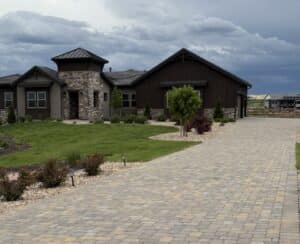


Our Proven 4-Step Paver Installation Process for Colorado Homes
Step 1: Free, On-Site Consultation We meet at your home to measure and discuss your vision. No pressure—just expert advice on layouts and materials that fit your landscape.
Step 2: Custom Design & No-Surprise Quote You get a scaled design plan and a clear, written proposal. Visualizing the final look upfront ensures there are no surprises later.
Step 3: ICPI-Certified Installation Our certified crew builds specifically for Colorado weather. We prioritize precision base prep, based on our visual inspection and build to withstand freeze-thaw cycles and heavy snow.
Step 4: Final Walkthrough & Warranty
Once your project is complete, we walk it with you, answer questions, and make sure you’re thrilled with the result. You’ll receive your workmanship warranty — our promise to stand by our work for years to come.
Ready to start Step 1? Stop dreaming and start building. Contact us today to schedule your free consultation and get a hardscape built to last in Colorado.
Expertly Managed Projects With Clear Communication
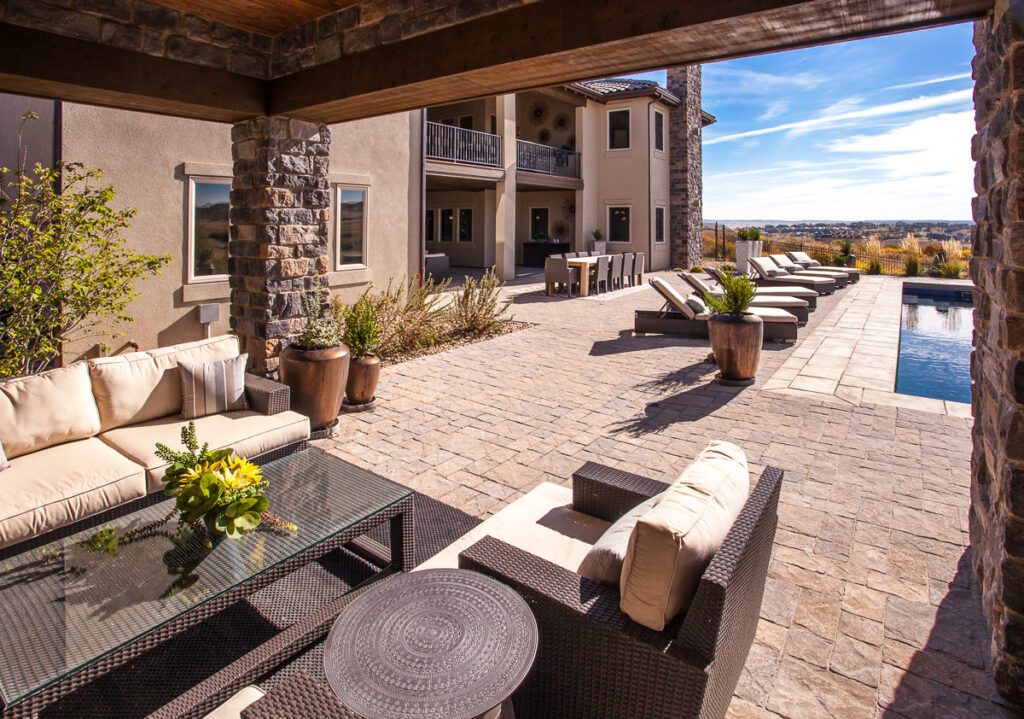
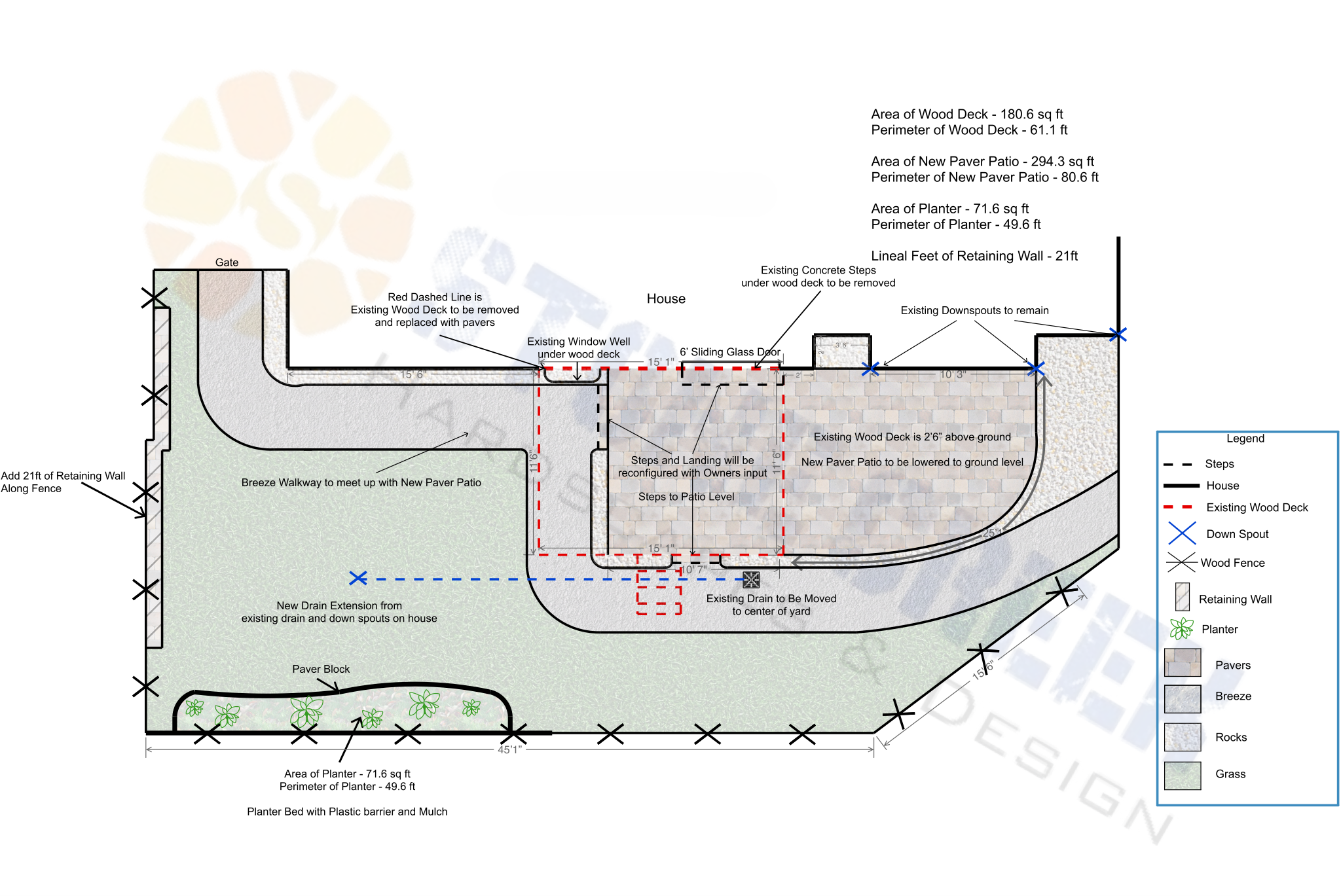
Custom Paver Patio Design Plan
You’ll Get a Plan — Before You Commit
At Stone Creek, Hardscapes we don't believe in rough estimates. Your new project deserve a detailed roadmap of your investment. Our professional design plans include precise dimensions, material callouts, and precise layout details.
Why this matters for you:
Visual Confidence: See how the design fits your home’s architecture.
Accurate Pricing: A precise plan means a precise quote—no hidden costs later.
HOA Ready: Our plans are detailed enough to submit directly to your HOA for approval.
With over 25 years of experience, we’ve perfected our process to ensure every project delivers lasting beauty, precision, and customer satisfaction.
Your Vision. Our Design. Let’s Bring Your Dream to Life.
Get your free, no-obligation consultation and detailed plan — see your project before you build.
Paver Installers in Indian Hills, Colorado
Indian Hills Paver Driveway Installers — Crafted for Colorado Living
Your Indian Hills home needs a driveway that can handle rocky mountain soil, steep slopes, and Colorado’s powerful freeze–thaw cycles. At Stone Creek Hardscapes & Design, we install paver driveways engineered to stay level, improve drainage, and resist cracking in foothill conditions. Our ICPI-trained team builds deep, stabilized bases using premium materials designed for Indian Hills’ rugged soil and elevation changes. From Parmalee Gulch and Arrowhead Park to estates along Myers Ranch Road and Stanley Park Road, we tailor every driveway to your site conditions and long-term durability. With more than 25 years serving Indian Hills and the mountain communities west of Denver, we provide precise installation and long-lasting craftsmanship.
Indian Hills Premier Paver Patio Installers — Designed for Outdoor Living
Build a beautiful and long-lasting paver patio that blends naturally with the foothills environment surrounding your Indian Hills, Colorado home. Our patios provide comfort, style, and function, giving you a perfect outdoor space for relaxing, hosting, or enjoying Colorado’s mountain scenery. With a wide selection of paver colors, textures, shapes, and permeable patio options, our ICPI-trained crew helps you design a patio layout that fits the terrain and complements your home’s architecture. With over 25 years of experience serving Indian Hills, we deliver dependable craftsmanship, smooth communication, and patios built to withstand Colorado’s freeze–thaw cycles. Schedule your free consultation and let us create your ideal paver patio in Indian Hills, CO.
Paver Front Entries in Indian Hills, Colorado — Built to Impress
Make your mountain home even more inviting with a custom paver front entry designed for your Indian Hills property. We build stunning walkways and entryways that improve curb appeal, enhance safety, and handle elevation changes and weather conditions common in Colorado’s foothills. Choose from classic stone-inspired styles, modern permeable layouts, or designs that blend naturally with your landscape. With more than 25 years serving Indian Hills residents, our craftsmanship, attention to detail, and use of durable materials ensure your new entry stays beautiful and strong.Schedule your free consultation today and elevate your home’s first impression in Indian Hills, CO.
Expert Paver Retaining Wall Installations in Indian Hills, Colorado — Built Strong for Colorado Landscapes
Improve the structure, function, and stability of your outdoor space with a custom retaining wall designed specifically for your Indian Hills property. Our retaining walls provide essential support on sloped terrain, reduce erosion, create flat usable areas, and add clean architectural lines to mountain landscapes. Whether you need terracing, hillside reinforcement, raised garden beds, or decorative stone features, we use high-quality materials and proven engineering methods to ensure long-term performance. With 25+ years serving Indian Hills and surrounding foothill communities, we deliver dependable craftsmanship and retaining walls built to handle Colorado’s rugged conditions. Schedule your free consultation for reliable retaining wall solutions in Indian Hills, CO.
Custom Paver Fire Pit Installations in Indian Hills, Colorado. Enjoy your patio all year long.
Bring warmth, character, and year-round enjoyment to your mountain property with a custom paver fire pit designed specifically for your Indian Hills home. Our fire pits create the perfect outdoor gathering spot, ideal for cool mountain evenings, family time, or entertaining guests. Choose from a variety of paver shapes, colors, sizes, and layout options to build a fire pit that complements your patio and blends naturally with your Rocky Mountain surroundings. With more than 25 years serving Indian Hills homeowners, we provide precise installation, durable materials, and fire pits built to withstand Colorado’s climate. Schedule your free consultation today and enjoy a beautifully crafted paver fire pit in Indian Hills, CO.
Why Indian Hills Driveways Require a Stronger Build
Indian Hills’ rocky substrates, steep driveways, and high-altitude freeze–thaw cycles cause concrete to crack, heave, and shift—especially in areas along Parmalee Gulch, Arrowhead Park, Myers Ranch Road, and Stanley Park Road. The mountain climate expands moisture in the soil during winter and contracts it in summer, creating continuous ground movement that rigid concrete cannot absorb. Our interlocking paver systems flex with this natural soil activity, preventing cracking and surface separation common in foothill neighborhoods. We install deep, stabilized base foundations that manage slopes, improve drainage, and reduce ice buildup on shaded or north-facing mountain driveways. For HOA-influenced areas such as sections of Arrowhead Park, we help homeowners select driveway designs that meet community expectations while delivering long-lasting strength and mountain-ready performance.
Paver FAQ'S In Indian Hills, Colorado
1. How do pavers handle the freeze–thaw cycles common in Colorado’s foothill communities?
Pavers perform exceptionally well in freeze–thaw climates because each stone is installed individually, allowing the entire system to flex naturally as the ground freezes and thaws. Unlike concrete slabs, which crack when expanding soil pushes upward, pavers absorb this pressure through the small joints between each unit. When temperatures shift rapidly — something very common in foothill areas — pavers expand and contract without losing their structural integrity. As the weather warms, the stones settle back into place without heaving or breaking. This flexibility makes pavers one of the most reliable materials for Colorado’s rapidly changing mountain weather.
2. Are pavers a good choice for mountainous terrain and uneven ground?
Pavers are ideal for mountainous and uneven terrain because they can be shaped and leveled precisely, even on complex grades. Their modularity allows installers to create stable foundations that follow the natural contours of the landscape rather than forcing the terrain to conform to rigid concrete slabs. When slopes, curves, or natural rock outcroppings are present, pavers can be adapted to create smooth transitions and natural-looking outdoor spaces. This makes them well suited for foothill properties where flat land is limited. Their design flexibility allows homeowners to build patios, walkways, and driveways in challenging environments.
3. How do pavers perform under rapid temperature swings from sunny afternoons to freezing nights?
Colorado’s foothills frequently experience dramatic temperature changes within the same day, and pavers handle these extremes exceptionally well. Their joint system functions as a built-in expansion buffer, allowing the stones to move slightly without creating cracks. Concrete, on the other hand, expands and contracts as one rigid piece, which often results in fracture lines and long-term damage. Pavers maintain their structural stability even when temperatures fluctuate abruptly. This resilience makes them a particularly strong choice for high-elevation areas with unpredictable conditions.
4. Are pavers safe to walk on during snowy or icy conditions?
Pavers offer natural slip resistance thanks to their textured surfaces, which makes them safer than smooth concrete when snow or ice is present. Their joints help reduce slippery surfaces by allowing meltwater to drain downward instead of pooling on top. Even when ice forms, it tends to appear in small patches rather than as large slick sheets. Snow removal is simple because shovels, brooms, or blowers can clear the surface without damaging the stones. This cold-weather stability makes pavers ideal for outdoor walkways, steps, and patios.
5. Can paver driveways handle heavy vehicles on steep mountain slopes?
Pavers are engineered to handle heavy loads, making them an excellent option for steep driveways where traction and structural strength are crucial. Their interlocking design distributes vehicle weight evenly, preventing rutting or cracking even as cars and trucks repeatedly travel up and down the slope. Concrete often cracks under the pressure of steep elevation changes combined with freeze–thaw cycles, but pavers resist this damage because they flex naturally. If any settling occurs, individual stones can be lifted and reset without replacing the entire surface. This makes pavers a durable and repair-friendly choice for challenging driveway conditions.
6. Do pavers resist fading in high-altitude sunlight?
Pavers hold their color remarkably well because their pigments run throughout the entire stone rather than sitting on top as a painted layer. At higher elevations, where UV exposure is stronger, this deep coloration helps reduce noticeable fading. Pavers age gracefully, showing only soft, even changes in tone over many years. Multi-tone blends disguise aging even better, making the surface look natural and consistent. For homeowners concerned about strong sunlight, pavers are one of the longest-lasting options.
7. How do pavers perform during snow removal with blowers, shovels, or plows?
Pavers handle snow removal exceptionally well because their dense surfaces resist chipping and scratching. Plastic shovels and snow blowers glide easily over the stones without catching edges, and rubber-tipped plows work safely on driveways. Water from melting snow drains between the joints, reducing ice formation and enhancing winter safety. Because the surface remains level, snow removal is more efficient than it is on cracked or uneven concrete. This makes pavers highly practical for winter maintenance.
8. Do pavers blend naturally with wooded foothill landscapes and rustic mountain homes?
Pavers complement rustic and natural environments beautifully because their textures and colors mimic Colorado’s native stone. They blend seamlessly into heavily forested surroundings, rock outcroppings, wild grasses, and natural paths. Pavers can be laid in curved or organic patterns that match the natural flow of the terrain rather than imposing straight, artificial lines. Their visual warmth enhances log homes, cabins, and stone-clad properties. This makes them an excellent aesthetic fit for foothill communities.
9. Are pavers suitable for sloped yards or properties that require terracing and water control?
Yes — pavers are highly effective in sloped areas because they can be paired with retaining walls, multi-level patios, and strategic grading to create stable outdoor spaces. Their interlocking structure prevents slipping or sliding on angled surfaces. Water drains naturally through the joints, helping reduce runoff velocity and erosion. This makes them particularly valuable in areas with heavy snowmelt or hillside drainage. Pavers can transform sloped land into usable, visually appealing outdoor living areas.
10. How well do pavers withstand hailstorms and strong winds common at higher elevations?
Pavers are extremely hail-resistant because their solid construction prevents dents, chips, or cracks from impact. Their weight and interlocking edges also help them stay firmly in place during high winds, even on elevated properties. Unlike lightweight patio tiles or decorative concrete coatings that can peel or shift, pavers remain anchored throughout extreme weather events. After a storm, cleanup typically involves sweeping debris rather than repairing damage. Their storm durability makes them one of the most resilient outdoor materials available.
11. Are pavers a good choice for year-round outdoor entertaining areas in mountain climates?
Pavers provide a stable, attractive, and low-maintenance foundation for outdoor living spaces that are enjoyed year-round. In summer, they offer a clean, natural look that pairs beautifully with patios, lounge areas, and fire pits. In winter, their textured surfaces and drainage capabilities help reduce slipping and make the spaces more accessible. Pavers support heavy outdoor kitchens, furniture, and heating features without cracking or settling. Their versatility and durability make them ideal for all-season entertainment.
12. Do pavers improve drainage on properties that receive heavy rain or snowmelt?
Pavers greatly enhance drainage because water can flow into the joints and down into the base layer instead of pooling on the surface. This helps reduce erosion, standing water, and runoff issues that are common in hilly or wooded environments. During snowmelt, the water disperses into the ground more gradually, preventing washouts and protecting surrounding landscaping. Permeable pavers offer even more advanced drainage capabilities for moisture-sensitive areas. This makes pavers an effective water-management tool for foothill properties.
13. Can pavers be installed around large pine trees, uneven root systems, or natural rock features?
Pavers are extremely landscape-friendly because they can be installed around existing trees and natural features without disturbing them. Their modular layout allows installers to create custom shapes that fit around roots, trunks, and irregular terrain. If roots grow over time, the affected stones can be lifted and adjusted easily without compromising the entire patio or walkway. This makes pavers a sustainable and flexible choice for wooded properties. They integrate beautifully into natural environments without requiring major alterations.
14. How do pavers compare to stamped concrete in durability and long-term performance?
Stamped concrete may offer decorative appeal, but it struggles in freeze–thaw conditions because it acts as a single slab that cracks under pressure. Once cracks appear, repairs are highly noticeable and often require significant resurfacing or full replacement. Pavers avoid these problems entirely because they move independently and resist cracking even after decades of climate exposure. Their color runs throughout the stone, so fading is minimal and appearances remain consistent. Pavers offer superior durability and long-term visual appeal in Colorado’s challenging weather.
15. Are pavers low-maintenance enough for homeowners with large, wooded properties?
Pavers require very little maintenance, making them perfect for properties that already require regular yard care. Simple sweeping, occasional rinsing, and periodic joint sand updates keep them clean and stable. They do not crack or spall like concrete, so no resurfacing or patching is necessary. Leaves, pine needles, and forest debris can be removed easily without harming the installation. Their low-maintenance nature makes pavers ideal for homeowners who want long-lasting beauty with minimal upkeep.
16. Do pavers stay comfortable to walk on during hot summer days at high elevation?
Pavers can warm under direct sunlight, but their joint structures allow heat to dissipate more effectively than on solid surfaces. Light-colored paver options reflect more sunlight, keeping the surface cooler during peak afternoon heat. Shade from trees, pergolas, or natural canopy helps maintain comfortable walking temperatures. Pavers cool quickly in the evening as the mountain air becomes cooler. This makes them practical and pleasant for summer outdoor use.
17. How stable are pavers during strong winds that sweep through foothill ridges and open areas?
Pavers remain extremely stable even in windy environments because each stone interlocks with its neighbors and is held in place by a compacted base and edge restraints. The overall system is dense and heavy, preventing shifting or lifting during wind gusts. Unlike thin patio tiles or lightweight decorative materials, pavers stay anchored regardless of wind speed. After storms, cleanup is limited to removal of debris rather than structural repair. Their wind resistance makes them ideal for exposed or elevated properties.
18. Can pavers support heavy structures like pergolas, fire pits, hot tubs, or outdoor kitchens?
Yes — pavers can support substantial weight when installed on a properly prepared base designed to handle heavy loads. Their interlocking system distributes stress evenly, preventing sinking or cracking. This makes them perfect for supporting outdoor features such as dining areas, built-in barbecues, pergolas, stone fireplaces, or large hot tubs. Even if adjustments become necessary, pavers allow for easy modifications without tearing up the entire surface. Their strength and versatility make them ideal for complex outdoor living spaces.
19. Do pavers reduce erosion on hilly properties or locations with natural runoff channels?
Pavers are excellent erosion-control tools because they stabilize soil and reduce the speed at which water moves across the surface. Their permeable joints allow snowmelt and rainwater to seep into the ground instead of washing downhill. When combined with retaining walls or tiered landings, pavers can transform sloped areas into functional outdoor spaces while preventing soil loss. This helps maintain the natural landscape while improving usability. For homes in uneven or moisture-prone terrain, pavers offer both beauty and environmental protection.
20. Are pavers slippery when wet or during freeze–thaw transitions?
Pavers provide superior traction thanks to their textured surfaces, which remain grippy even when wet. Because water drains through the joints, the surface dries faster and develops fewer slick spots. During freeze–thaw transitions, ice may form, but typically in small, isolated sections rather than across the entire area. Ice-melt products are safe to use on pavers and do not cause the surface damage often seen on concrete. This combination of drainage and texture makes pavers one of the safest options in winter.
21. Do pavers complement rustic mountain architecture and natural materials found in foothill homes?
Pavers come in natural tones and textures that blend beautifully with timber homes, stone facades, log cabins, and other mountain-style architecture. Their organic appearance enhances the rustic feel of wooded properties without appearing artificial or overly modern. They can be shaped into flowing, curved pathways that reflect the natural movement of the landscape. Pavers enhance curb appeal while maintaining harmony with surrounding nature. This makes them a favorite choice for rural and mountain homeowners.
22. Are pavers durable enough for high foot traffic, pets, and outdoor activities?
Pavers are extremely resistant to wear because they are made from dense, high-strength materials designed to withstand heavy foot traffic. Pets cannot easily scratch or damage the stones, and children can run or play freely without affecting the installation. The surface stays stable and level over time, reducing tripping hazards. Even with constant use, pavers retain their texture and color long-term. This makes them perfect for active households that frequently use their outdoor spaces.
23. Do pavers require sealing to remain strong in Colorado’s climate?
Sealing pavers is optional and depends mostly on aesthetic preference rather than structural necessity. A breathable sealer can deepen color, enhance stain resistance, and provide mild UV protection. However, unsealed pavers remain incredibly durable, resisting freeze–thaw cycles, moisture, and heat without additional coatings. Many homeowners choose not to seal because pavers perform so well naturally. Whether sealed or left in their natural state, pavers remain strong and attractive.
24. Do pavers integrate well with Colorado landscaping such as boulders, tall grasses, and native shrubs?
Yes — pavers integrate naturally with typical Colorado landscaping because their earthy colors mimic the tones of native rock and soil. They blend seamlessly with boulder accents, native grasses, wildflowers, pine surroundings, and xeriscape gardens. Their curved design options allow them to flow organically throughout the landscape, maintaining a natural appearance. Pavers complement both rugged, natural designs and more refined decorative gardens. This makes them highly adaptable for foothill landscaping styles.
25. Are pavers a long-term investment capable of lasting decades in Colorado’s harsh weather?
Pavers offer exceptional longevity because their flexible structure prevents cracking, lifting, or surface deterioration. Their color remains stable through intense sunlight and constant weather exposure due to through-body pigmentation. Unlike concrete, which often breaks and requires replacement, pavers can be repaired easily by replacing individual stones. This significantly extends the life of the installation. Their long-term performance makes pavers one of the best long-term outdoor investments.
26. Do pavers stay cool enough during summer months for comfortable outdoor use?
Pavers regulate heat effectively because the small gaps between stones allow air to circulate and release stored warmth. Lighter-colored pavers absorb less heat, making them cooler underfoot during hot summer days. Shade structures, tree cover, and breezes common in foothill areas contribute to a comfortable walking surface. As temperatures drop in the evening, pavers cool quickly, creating a pleasant environment for nighttime gatherings. Their thermal properties make them ideal for summer patios and walkways.
27. Are pavers suitable for homeowners who want low-maintenance outdoor spaces?
Yes — pavers are extremely low-maintenance and ideal for homeowners who prefer durable, practical outdoor solutions. They do not crack, peel, or crumble like concrete, and replacing a damaged stone is simple and inexpensive. Routine upkeep involves sweeping, occasional rinsing, and refreshing joint sand when necessary. Because pavers resist stains, fading, and freeze–thaw damage, maintenance remains minimal for decades. This makes them a long-lasting choice for homeowners who value convenience.
28. Can pavers be installed around fire pits, outdoor fireplaces, and heating features safely?
Pavers are heat-resistant and maintain structural integrity when installed near fire features. They do not melt, warp, or discolor when exposed to high temperatures, making them a safe foundation for fire pits, outdoor fireplaces, and patio heaters. Their modular design supports creative layouts, including circular seating areas or built-in heat feature zones. Drainage through the joints prevents water from accumulating around the fire element. This combination of safety and style makes pavers ideal for fire-centered outdoor designs.
29. Do pavers work well for multi-zone outdoor living spaces such as dining areas, pathways, lounge zones, and fire pits?
Pavers are ideal for multi-zone patio layouts because their patterns, colors, and borders can visually define separate functional areas while keeping everything cohesive. Homeowners can combine dining patios, lounge spaces, walkways, garden paths, and fire pit areas using the same material for a unified look. The surface remains level and strong, supporting heavy furniture and frequent use. Pavers offer endless design flexibility, allowing for custom outdoor living environments tailored to the homeowner’s lifestyle. Their versatility makes them perfect for complex yard designs.
30. How do pavers maintain beauty and performance over many years in Colorado’s unpredictable foothill climate?
Pavers maintain exceptional beauty and durability over time because they are engineered to withstand temperature swings, snow, rainfall, wind, sunlight, and heavy use. Their flexible installation prevents cracking — the most common failure in concrete — while their through-body color ensures natural aging rather than fading or peeling. Repairs are simple and invisible because individual stones can be replaced without disturbing the entire area. Pavers remain visually appealing and structurally sound even after years of Colorado’s harsh climate conditions. For long-term outdoor performance, pavers consistently outperform nearly every other hardscape material.
Design Inspiration & Expert Insights from Stone Creek Hardscapes
See real projects we’ve completed across Colorado and and get expert advice for your next outdoor transformation

The Sub-Base Advantage: 3 Critical Layers We Use to Keep Colorado Paver Patios Crack-Free for 25+ Years
Colorado is one of the most beautiful — and one of the most challenging — places
Read More
Beyond Concrete: Why Pavers Are the Only Durable Choice for Denver Metro’s Harsh Winters
Denver’s climate is both beautiful and brutal. We enjoy more than 300 sunny days but
Read More
Stop the Shift: The Paver Installation Secret to Surviving Colorado’s Brutal Freeze-Thaw Cycle
Colorado homeowners love the beauty and durability of paver patios, walkways, and driveways — but
Read More