
Stone Creek Hardscapes — Greenwood Village Colorado’s Trusted Paver Contractors
Welcome to Stone Creek Hardscapes & Design
Stone Creek Hardscapes & Design creates patios, driveways, walkways, retaining walls, and front entries that complement the refined landscapes of Greenwood Village. With more than 25 years of experience across the South Metro area, we focus on clean design, smooth project flow, and outdoor spaces made for relaxing and entertaining. Our work has earned multiple Hardscape North America awards, reflecting our dedication to detail, craftsmanship, and a polished final result.
What our clients are saying about us
Paver Services in Greenwood Village, Colorado
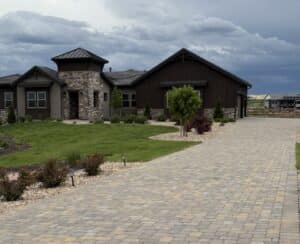


Our Proven 4-Step Paver Installation Process for Colorado Homes
Step 1: Free, On-Site Consultation We meet at your home to measure and discuss your vision. No pressure—just expert advice on layouts and materials that fit your landscape.
Step 2: Custom Design & No-Surprise Quote You get a scaled design plan and a clear, written proposal. Visualizing the final look upfront ensures there are no surprises later.
Step 3: ICPI-Certified Installation Our certified crew builds specifically for Colorado weather. We prioritize precision base prep, based on our visual inspection and build to withstand freeze-thaw cycles and heavy snow.
Step 4: Final Walkthrough & Warranty
Once your project is complete, we walk it with you, answer questions, and make sure you’re thrilled with the result. You’ll receive your workmanship warranty — our promise to stand by our work for years to come.
Ready to start Step 1? Stop dreaming and start building. Contact us today to schedule your free consultation and get a hardscape built to last in Colorado.
Expertly Managed Projects With Clear Communication
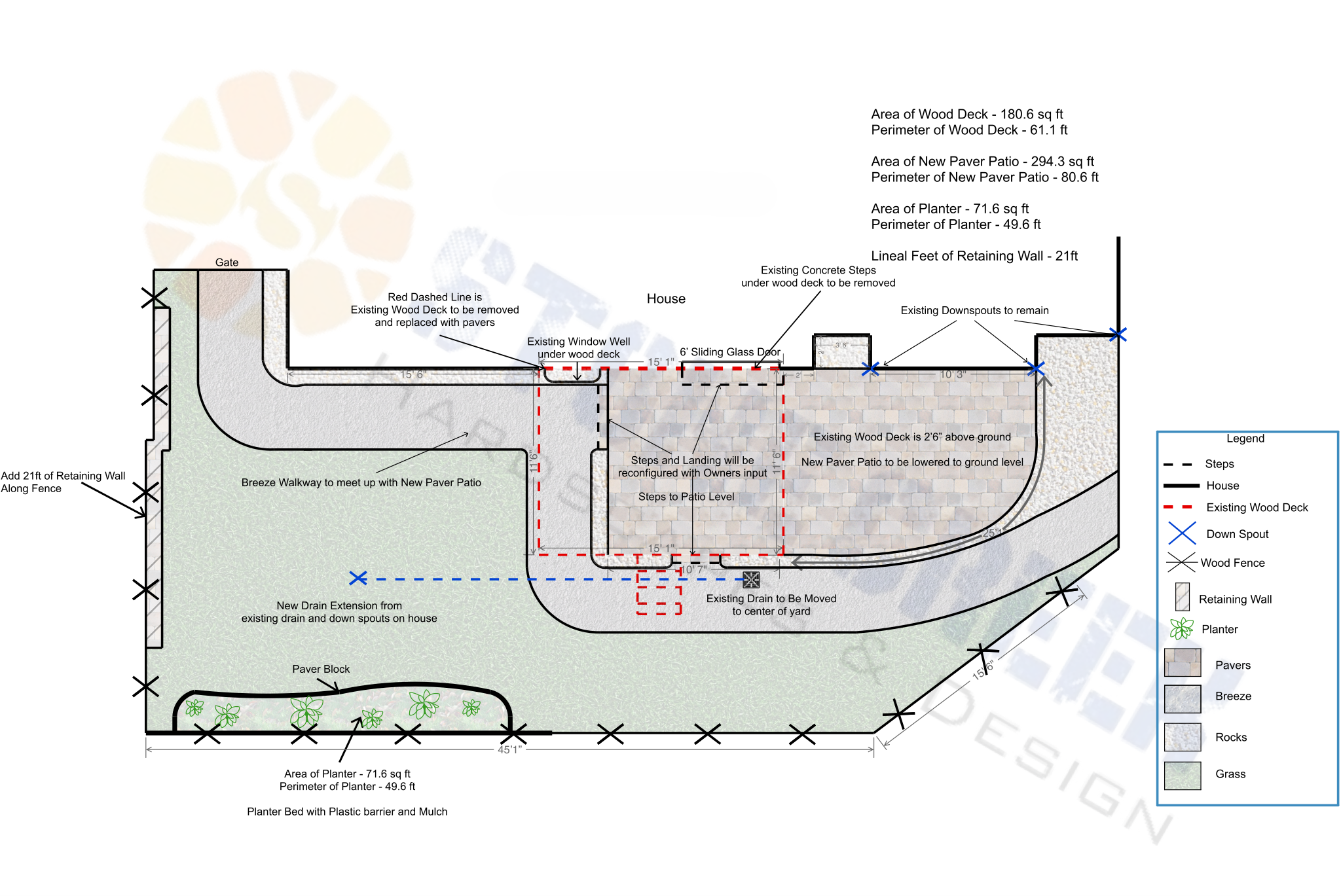
Custom Paver Patio Design Plan
You’ll Get a Plan — Before You Commit
At Stone Creek, Hardscapes we don't believe in rough estimates. Your new project deserve a detailed roadmap of your investment. Our professional design plans include precise dimensions, material callouts, and precise layout details.
Why this matters for you:
Visual Confidence: See how the design fits your home’s architecture.
Accurate Pricing: A precise plan means a precise quote—no hidden costs later.
HOA Ready: Our plans are detailed enough to submit directly to your HOA for approval.
With over 25 years of experience, we’ve perfected our process to ensure every project delivers lasting beauty, precision, and customer satisfaction.
Your Vision. Our Design. Let’s Bring Your Dream to Life.
Get your free, no-obligation consultation and detailed plan — see your project before you build.
Paver Installers in Greenwood Village, Colorado
Greenwood Village Paver Driveway Installers — for Colorado Living
Your Greenwood Village home needs a driveway that can handle expansive soil, large custom lots, and Colorado’s strong freeze–thaw cycles. At Stone Creek Hardscapes & Design, we build premium paver driveways engineered to stay level, resist cracking, and improve drainage through every season. Our ICPI-trained team installs deep, stabilized bases using top-grade materials suited for Greenwood Village’s varied soil and elevation conditions. From The Preserve and One Cherry Lane to Huntington Pines, Orchard Hills, and Cherry Creek Village, we design each driveway for your property’s layout, soil type, and long-term durability needs. With more than 25 years serving Greenwood Village and the South Metro area, we deliver precise installation and elite driveway craftsmanship.
Greenwood Village Premier Paver Patio Installers — Designed for Outdoor Living
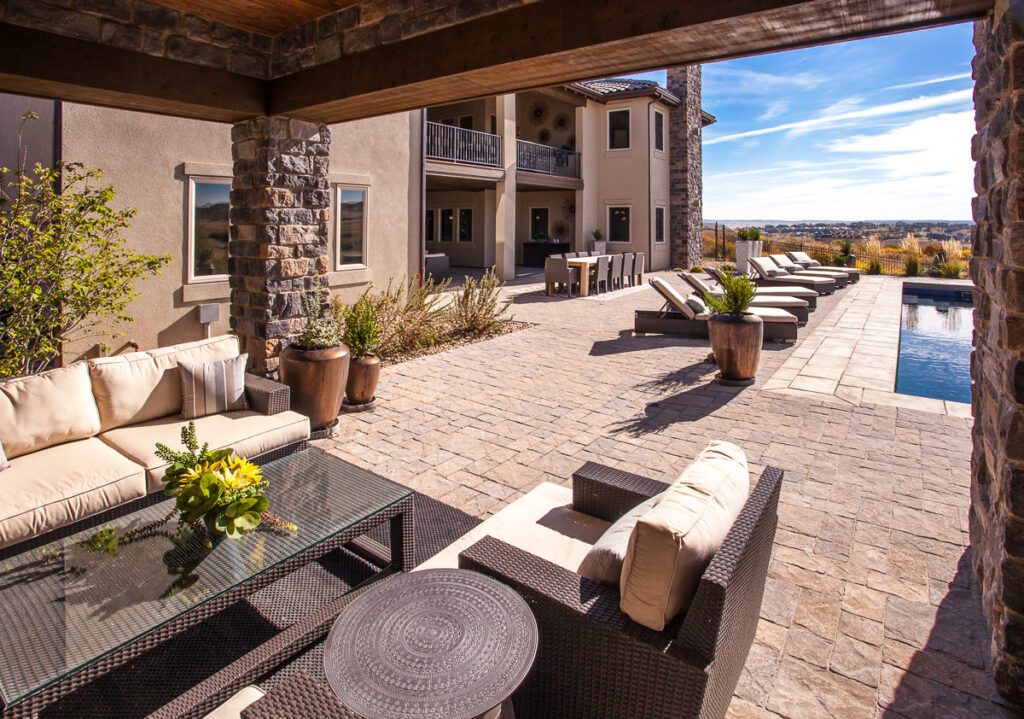
Create a beautiful and long-lasting paver patio that enhances your Greenwood Village, Colorado home and helps you enjoy more time outdoors. Our custom patios offer comfort, style, and functionality, giving you a space perfect for relaxing, dining, hosting guests, or expanding your outdoor living potential. With a wide variety of paver textures, colors, shapes, and permeable options, our ICPI-trained crew helps you design a patio layout that complements your home’s architecture and meets your personal goals. Backed by 25+ years of experience serving Greenwood Village homeowners, we deliver dependable craftsmanship, consistent communication, and patios built to last. Schedule your free consultation and let us bring your ideal paver patio to life in Greenwood Village, CO.
Paver Greenwood Village in Genesee, Colorado — Built to Impress
Give your home a polished, welcoming entrance with a custom paver front entry crafted for your Greenwood Village property. Our team designs and installs walkways and entryways that enhance curb appeal, improve functionality, and withstand Colorado’s freeze–thaw cycles. Whether you prefer a classic stone look, a modern permeable paver design, or a more decorative layout, we offer a variety of styles to match your home’s exterior and elevate its first impression. With more than 25 years serving Greenwood Village residents, our attention to detail, high-quality materials, and expert craftsmanship ensure your front entry stays beautiful for years. Schedule your free consultation today and upgrade your home’s first impression in Greenwood Village, CO.
Expert Paver Retaining Wall Installations in Greenwood Village, Colorado — Built Strong for Colorado Landscapes
Strengthen your landscape and improve your outdoor design with a custom retaining wall built specifically for your Greenwood Village property. Our retaining walls provide essential support for sloped terrain, prevent soil erosion, create functional outdoor levels, and add clear structural definition to your yard. Whether you need raised planting areas, terracing, slope stabilization, or decorative hardscape features, we use top-grade materials and time-tested engineering methods to ensure long-lasting durability. With 25+ years serving Greenwood Village homeowners, we deliver dependable structure, precise installation, and retaining walls designed to perform in Colorado’s climate. Schedule your free consultation for reliable retaining wall solutions in Greenwood Village, CO.
Custom Paver Fire Pit Installations in Greenwood Village, Colorado. Enjoy your patio all year long.
Bring warmth, style, and year-round enjoyment to your backyard with a custom paver fire pit designed specifically for your Greenwood Village home. Our fire pits serve as the perfect gathering area for hosting friends, spending evenings with family, or relaxing outdoors during Colorado’s cool nights. Choose from a variety of paver colors, shapes, sizes, and layout options to create a fire pit that blends naturally with your patio and complements your home’s outdoor design. With over 25 years serving Greenwood Village, we provide precise installation, durable materials, and fire pits built to last in every season. Schedule your free consultation today and enjoy a beautifully built paver fire pit in Greenwood Village, CO.
Why Greenwood Village Driveways Require a Stronger Build
Greenwood Village rests on expansive clay soils, older estate-grade fills, and rolling elevations that cause concrete driveways to crack, shift, and heave—especially in neighborhoods like The Preserve, Cherry Creek Village, Huntington Pines, Cherry Ridge, Orchard Hills, and One Cherry Lane. Colorado’s intense freeze–thaw cycles swell moisture in the soil during winter and shrink it in summer, creating ongoing movement that rigid concrete cannot accommodate. Our interlocking paver systems flex naturally with this soil activity, preventing the cracking and separation commonly seen across Greenwood Village. We install deep, stabilized bases that improve drainage and reduce ice buildup on long, shaded, or north-facing driveways common on large estate lots. For HOA-regulated communities such as The Preserve, Orchard Hills, and One Cherry Lane, we help homeowners select driveway designs that meet architectural standards while delivering premium curb appeal and long-term durability.
Paver FAQ'S In Greenwood Village, Colorado
1. How do pavers perform in Colorado’s freeze–thaw cycles, especially in areas with shifting soil and mature landscaping?
Pavers excel in freeze–thaw climates because they are installed as individual units that can flex and adjust with seasonal expansion and contraction. When temperatures drop suddenly, moisture in the soil freezes and pushes upward, which typically causes poured concrete to crack because it cannot move with the pressure. Pavers handle this naturally because the joints between stones absorb the movement instead of resisting it, preventing structural stress. As temperatures warm back up, the system settles into position without heaving or fracturing. This makes pavers particularly reliable in the Front Range region, where freeze–thaw cycles occur frequently and unexpectedly.
2. Are pavers a good choice for upscale neighborhoods with mixed soil types and expansive clay?
Expansive soils are common throughout the southern Denver metro area, and these soils expand when wet and contract when dry. Pavers are extremely well-suited for such conditions because their modular structure allows for subtle ground movement without causing cracks or surface failure. Even if parts of the soil shift over several years, individual pavers can be lifted, re-leveled, and replaced without disturbing the rest of the installation. This makes pavers far easier to maintain than large concrete slabs, which tend to break under the same conditions. For high-end neighborhoods where appearances matter long-term, pavers provide a durable and visually consistent solution.
3. How do pavers hold up to rapid temperature changes, from warm afternoons to freezing nights?
Colorado is known for large temperature swings within a single day, and pavers handle these fluctuations exceptionally well. Because each stone has small joints that act as natural expansion buffers, pavers absorb thermal movement without developing stress fractures. Concrete, on the other hand, expands and contracts as a single slab, making it more vulnerable to cracking when temperatures shift suddenly. This flexibility allows pavers to stay stable and visually appealing regardless of daily temperature extremes. Homeowners benefit from a hardscape material that remains reliable in all seasons.
4. Are pavers safer to walk on during snowy mornings and icy winter afternoons?
Pavers are one of the safest outdoor surfaces in winter because their textured designs provide natural traction even when wet or partly frozen. Melted snow drains into the joints rather than pooling on the surface, which reduces the formation of smooth ice sheets. This drainage also minimizes the risk of slip-and-fall hazards during freeze–thaw transitions. Snow can be removed easily using blowers or plastic shovels without damaging the stones. Their winter-friendly performance makes pavers especially valuable in areas with frequent storm cycles.
5. How durable are paver driveways for households with multiple vehicles, SUVs, or regular guest traffic?
Paver driveways are designed to withstand heavy loads because the interlocking stones distribute pressure evenly across the entire surface. This means that even with frequent turning, braking, or multi-vehicle use, the driveway will not crack the way concrete often does. Their flexible installation allows them to adapt to soil shifts over time without losing integrity. Repairs, if ever needed, involve resetting individual stones rather than replacing the whole driveway. This makes pavers a practical, long-lasting solution for active households.
6. Do pavers resist fading under Colorado’s intense UV exposure?
Pavers maintain vibrant color because their pigments are infused throughout the entire stone, not just applied to the surface. This interior coloration helps them withstand years of direct sunlight and intense UV exposure common at Colorado’s elevation. Even after decades of use, high-quality pavers show only gradual, uniform fading that still appears natural and attractive. Multi-tone blends disguise aging even better, maintaining richness of tone over long periods. This ensures that outdoor surfaces stay beautiful without requiring constant refinishing.
7. How well do pavers handle snow removal with shovels, blowers, or plows?
Pavers hold up extremely well to snow removal because their strong, dense surfaces resist chipping or scratching from standard winter tools. Snow blowers and plastic shovels glide cleanly across the surface, and rubber-tipped plows are safe for larger areas like driveways. Because the surface stays level and stable, snow removal tends to be easier compared to cracked or uneven concrete. Meltwater drains downward through paver joints, minimizing puddles that refreeze. This makes winter maintenance more efficient and safer overall.
8. Do pavers complement the natural landscaping and mature trees often found in Greenwood Village?
Pavers blend beautifully with mature landscapes because their textures and tones reflect the look of natural stone often used in upscale Colorado yards. They transition gracefully into lawn areas, garden beds, and tree-lined walkways without appearing harsh or artificial. Their modular nature allows them to be cut around root zones, existing shrubs, or curved beds without disturbing the surrounding environment. This flexibility preserves the beauty of established landscaping while adding structural appeal. For neighborhoods known for large lots and mature foliage, pavers enhance both the style and practicality of outdoor spaces.
9. Are pavers suitable for sloped yards, elevation changes, or landscaping around retaining walls?
Pavers excel on sloped properties because they can be installed with proper grading, terracing, and retaining support to create stable outdoor living spaces. Their flexibility allows them to maintain structure even when the underlying terrain shifts slightly over time. Water naturally flows through the joints, reducing erosion issues that often occur on slopes. When combined with retaining walls or built-in steps, pavers create functional and aesthetically pleasing transitions on multi-level lots. This makes them ideal for properties with elevation variances.
10. How well do pavers withstand hail and strong Front Range winds?
Pavers are extremely hail-resistant because they are made from dense, impact-resistant materials that do not chip or dent under storm pressure. Their weight and interlocking edges also make them highly wind-resistant, preventing any movement even during strong gusts. After storms, surface debris can simply be removed without affecting the integrity of the installation. Even in severe conditions, pavers rarely suffer damage that requires replacement. This durability makes them a top choice for Colorado homeowners who want a long-lasting material.
11. Are pavers ideal for outdoor entertaining areas that get used year-round?
Pavers create beautiful and functional gathering spaces that remain usable in every season because of their durability and slip-resistant texture. They support heavy outdoor kitchens, furniture, fire pits, and pergola structures without sinking or cracking. The natural stone appearance enhances the feeling of luxury and comfort in outdoor dining and lounge areas. Even in winter, pavers maintain traction and require minimal maintenance compared to other surfaces. This makes them a perfect long-term investment for households that enjoy outdoor living.
12. Do pavers help improve drainage in yards that experience heavy irrigation, storms, or snowmelt?
Yes — pavers offer superior drainage because water flows between the joints and into the compacted base instead of pooling on the surface. This helps prevent erosion, muddy patches, and unwanted runoff near foundations or walkways. During spring thaw or summer storms, the paver system moves water gradually into the soil, protecting landscaping and nearby structures. Permeable pavers offer even more advanced water control for moisture-sensitive areas. This natural drainage feature makes pavers especially beneficial for properties with irrigation systems or seasonal high water flow.
13. Can pavers be installed around large trees or intricate landscape features without disturbing them?
Pavers are extremely landscape-friendly because they can be cut and arranged around trees, roots, garden beds, or existing stone features with precise customization. Unlike concrete, which requires wide excavation and straight lines, pavers can follow curved edges and irregular shapes naturally. If roots grow in the future, individual stones can be lifted and reset without damaging the tree or the installation. This preserves the health of mature trees while maintaining a beautiful hardscape surface. Pavers allow homeowners to enhance outdoor spaces without sacrificing established landscaping.
14. How do pavers compare to stamped concrete in long-term performance and appearance in Colorado?
Stamped concrete may offer an attractive look initially, but it is far more susceptible to cracking, fading, and surface flaking in freeze–thaw climates. Once cracks appear, repairs are highly visible and often require extensive resurfacing or full replacement. Pavers, on the other hand, resist cracking entirely due to their flexible joint structure and independent stone movement. Their color is integral, so it remains consistent over time rather than separating or peeling like topical stains. For long-term durability and aesthetic consistency, pavers outperform stamped concrete in nearly every category.
15. Are pavers low-maintenance enough for large outdoor spaces?
Yes — pavers require minimal maintenance because they resist cracking, discoloration, and surface wear. Routine upkeep typically involves sweeping away debris, rinsing the surface, and occasionally refreshing joint sand. Polymeric sand significantly reduces weed growth and helps keep the installation tightly locked. Because repairs only involve individual stones rather than entire sections, maintenance is straightforward and inexpensive. This makes pavers suitable for large patios, walkways, and driveways that should look pristine with minimal effort.
16. Do pavers stay comfortable underfoot during Colorado’s hot summer days?
Pavers can warm in direct sunlight, but their joint system allows heat to dissipate more quickly than it does on a solid concrete slab. Light-colored paver blends reduce heat absorption significantly. Mature trees, pergolas, awnings, and evening breezes help maintain a comfortable temperature on the surface. Because pavers cool rapidly after the sun sets, they remain enjoyable for nighttime entertaining. Their thermal properties make them ideal for Colorado’s warm summer afternoons.
17. How stable are pavers during strong wind gusts or sudden weather changes common in the Denver metro area?
Pavers maintain excellent stability even in areas that experience sudden wind shifts, because each stone is dense and interlocks with neighboring stones. The compacted base and edge restraints keep the system anchored even during strong gusts. Unlike lightweight tiles or floating deck materials, pavers do not lift, peel, or shift. After storms, homeowners typically only need to clear surface debris. Their structural stability makes pavers one of the most wind-resistant outdoor materials.
18. Can pavers support heavy outdoor features such as hot tubs, stone fireplaces, or built-in kitchens?
Yes — pavers are strong enough to support heavy outdoor elements when installed over a properly prepared base. Their interlocking system spreads weight evenly, reducing pressure points that could otherwise cause sinking. This makes pavers ideal for outdoor kitchens, hot tubs, stone seating walls, fire pits, and other substantial outdoor additions. Repairs remain simple even when heavy features are present because individual stones can be reset without tearing up the entire area. Their structural strength makes them ideal for complex outdoor living designs.
19. Do pavers help reduce erosion on properties with sloping lawns or heavy watering?
Pavers create a stable surface that prevents soil from being displaced during heavy irrigation, rainstorms, or snowmelt. Their permeable joints slow water movement, allowing it to filter downward rather than rushing across the yard. Retaining walls, steps, and terraced installations can be used alongside pavers to manage slope conditions more effectively. This helps maintain the integrity of both the hardscape and surrounding landscape areas. Pavers improve erosion control and keep outdoor areas beautiful year-round.
20. Are pavers slippery when wet or during freeze–thaw transitions?
Pavers are naturally slip-resistant because their textured surfaces provide gripping power even in damp or icy conditions. Their drainage gaps help prevent the formation of slick ice sheets by allowing meltwater to escape. During freeze–thaw cycles, ice tends to form only in small patches rather than across the entire patio or walkway. Homeowners can use ice-melt products safely without causing damage to the pavers. This makes pavers far safer in winter than smooth or painted concrete.
21. Do pavers complement the architectural style of luxury homes commonly found in Greenwood Village?
Pavers are available in an exceptional range of colors, finishes, and sizes, making them suitable for modern, traditional, and transitional architectural styles. Sleek large-format pavers look stunning next to contemporary homes with steel, glass, or stucco finishes. More textured or tumbled styles complement traditional brick, stone, or Mediterranean-inspired architecture. Designers can also use contrasting borders, inlays, and custom patterns to match the home’s character. This versatility makes pavers a premium choice for high-end properties.
22. Are pavers durable enough for frequent foot traffic, pets, and outdoor activity?
Pavers are designed to withstand heavy foot traffic without wearing down or becoming slippery. Pets cannot easily scratch the surface, and the stones maintain their texture even after years of use. Children can play, run, or ride bikes across the surface without causing damage. Because the surface remains level, it reduces tripping hazards and maintains visual appeal. Their durability makes pavers ideal for families who use their outdoor areas daily.
23. Do pavers require sealing to stay beautiful in Colorado’s climate?
Sealing is optional and primarily enhances appearance rather than providing essential protection. A breathable sealer can deepen color, reduce staining from outdoor spills, and offer mild UV enhancement. However, whether sealed or unsealed, pavers remain extremely durable and weather-resistant. Many homeowners choose to seal only for aesthetic preference, not necessity. Pavers maintain their strength and beauty with or without sealing.
24. Do pavers coordinate well with Colorado landscaping elements such as boulders, grasses, and xeriscape features?
Pavers integrate beautifully with natural Colorado landscaping because their earthy tones mimic sandstone, granite, and native rock formations. They transition smoothly between patios, walkways, rock gardens, and ornamental grasses. Their modular nature makes it easy to create curved paths that match the flow of natural landscaping. Designers often pair pavers with boulder accents or dry creek beds to emphasize Colorado’s rugged beauty. This creates a cohesive outdoor environment that feels balanced and refined.
25. Are pavers a long-term investment for outdoor spaces exposed to Colorado’s challenging climate?
Pavers provide outstanding long-term value because they maintain their structural integrity and aesthetic appeal even under intense weather conditions. Their modular design prevents cracking, one of the biggest issues with concrete surfaces in freeze–thaw climates. Easy repairs ensure the installation can stay pristine for decades without major reconstruction. Their color vitality and timeless style contribute to high resale value. For long-term durability and elegance, pavers are one of the most dependable choices available.
26. Do pavers stay cool enough for comfortable summer use?
Pavers dissipate heat more effectively than concrete because the joints allow airflow and thermal release. Light-colored blends help reflect sunlight, reducing surface heat during hot afternoons. Shade structures such as pergolas, trees, or patio umbrellas enhance the comfort level further. As the sun sets, pavers cool quickly because they do not retain heat as long as solid slabs. This makes them ideal for summer entertaining and evening gatherings.
27. Are pavers ideal for homeowners who want low-maintenance outdoor areas?
Yes — pavers are one of the lowest-maintenance outdoor surfacing options available. They do not require frequent sealing, resurfacing, or patching like concrete. Basic sweeping and rinsing are usually enough to keep them looking clean. Polymeric sand stabilizes the joints and helps prevent weeds or insects. Pavers deliver long-lasting beauty with minimal upkeep, making them ideal for busy households.
28. Can pavers be installed safely around fire pits, fireplaces, or outdoor heaters?
Pavers are heat-resistant and maintain their structural integrity when used around fire features. They do not warp, melt, or discolor from high temperatures. Their modular installation allows for custom shapes, such as circular seating areas or custom fireplace extensions. Drainage through the joints prevents water from pooling near the fire feature. This makes pavers both a safe and aesthetically pleasing choice for outdoor fire elements.
29. Do pavers work well for multi-zone outdoor living spaces such as dining, lounging, and pathway areas?
Pavers allow designers to create visually defined zones using different patterns, colors, or borders, while still maintaining a cohesive overall look. Homeowners can designate dining spaces, lounge areas, fire pit zones, and walking paths without changing materials. The surface remains level and easy to navigate, enhancing comfort and functionality. Pavers also support heavy furniture and outdoor appliances without sinking. Their versatility makes them ideal for multi-purpose patio environments.
30. How do pavers maintain beauty and durability over many years in Colorado’s unpredictable climate?
Pavers remain beautiful and strong for decades because they are engineered to withstand harsh sunlight, freezing temperatures, snow, rain, and heavy use. Their flexible structure prevents cracking, and their color remains consistent thanks to through-body pigmentation. Repairs are quick and seamless because individual stones can be replaced without affecting the rest of the installation. Their resistance to weather, fading, and erosion makes them one of the longest-lasting outdoor materials available. For Colorado homeowners seeking long-term elegance and dependability, pavers consistently deliver outstanding performance.
Design Inspiration & Expert Insights from Stone Creek Hardscapes
See real projects we’ve completed across Colorado and and get expert advice for your next outdoor transformation

The Sub-Base Advantage: 3 Critical Layers We Use to Keep Colorado Paver Patios Crack-Free for 25+ Years
Colorado is one of the most beautiful — and one of the most challenging — places
Read More
Beyond Concrete: Why Pavers Are the Only Durable Choice for Denver Metro’s Harsh Winters
Denver’s climate is both beautiful and brutal. We enjoy more than 300 sunny days but
Read More
Stop the Shift: The Paver Installation Secret to Surviving Colorado’s Brutal Freeze-Thaw Cycle
Colorado homeowners love the beauty and durability of paver patios, walkways, and driveways — but
Read More