
Paver Patios
Beautifully designed, expertly installed for Colorado living
Stone Creek Hardscapes — Colorado’s Trusted Paver Contractors for Over 25 Years
Crafted for Comfort. Built to Last. Designed for Colorado.
Your backyard deserves more than plain concrete — it deserves a patio built for connection, comfort, and lasting beauty. At Stone Creek Hardscapes & Design, we craft custom paver patios that transform everyday yards into welcoming outdoor living areas. Each patio is built to endure Colorado’s extreme weather while adding timeless style and value to your home.
Our ICPI-certified team combines precision installation with artistic design, ensuring every project looks as exceptional as it performs. Recognized three times by the ICPI Hardscape North America Awards, we bring award-winning craftsmanship and meticulous detail to every patio we build — so you can relax, entertain, and enjoy the outdoors for years to come.
What our clients are saying about us


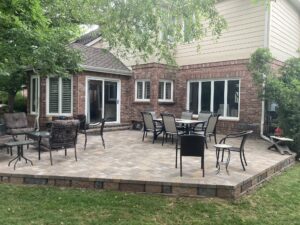


Our Proven 4-Step Paver Installation Process for Colorado Homes
Step 1: Free, On-Site Consultation We meet at your home to measure and discuss your vision. No pressure—just expert advice on layouts and materials that fit your landscape.
Step 2: Custom Design & No-Surprise Quote You get a scaled design plan and a clear, written proposal. Visualizing the final look upfront ensures there are no surprises later.
Step 3: ICPI-Certified Installation Our certified crew builds specifically for Colorado weather. We prioritize precision base prep, based on our visual inspection and build to withstand freeze-thaw cycles and heavy snow.
Step 4: Final Walkthrough & Warranty
Once your project is complete, we walk it with you, answer questions, and make sure you’re thrilled with the result. You’ll receive your workmanship warranty — our promise to stand by our work for years to come.
Ready to start Step 1? Stop dreaming and start building. Contact us today to schedule your free consultation and get a hardscape built to last in Colorado.
Expertly Managed Projects With Clear Communication
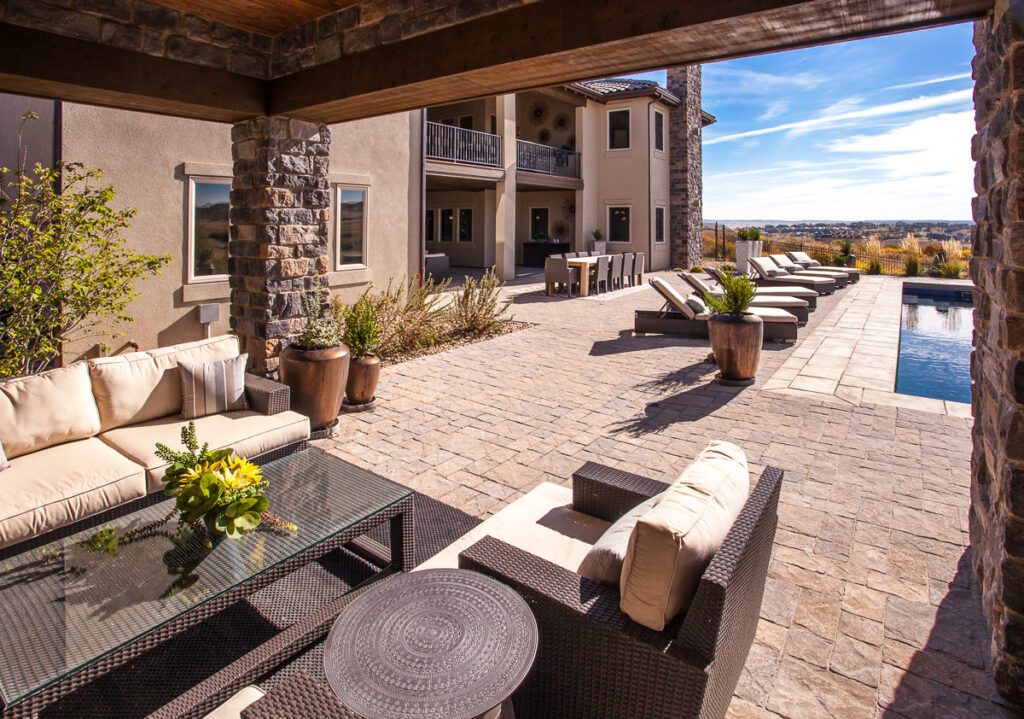
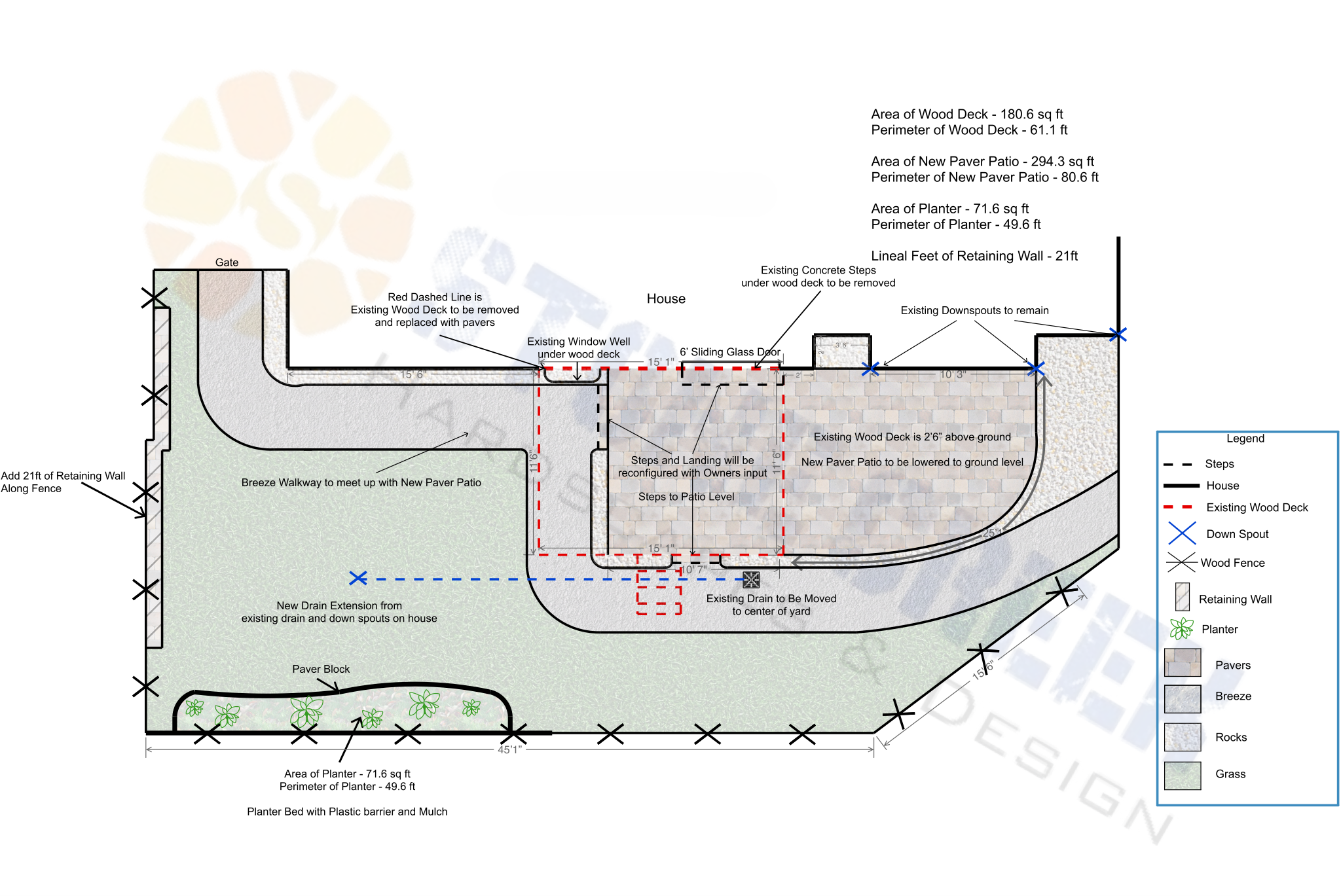
Custom Paver Patio Design Plan
You’ll Get a Plan — Before You Commit
At Stone Creek, Hardscapes we don't believe in rough estimates. Your new project deserve a detailed roadmap of your investment. Our professional design plans include precise dimensions, material callouts, and precise layout details.
Why this matters for you:
Visual Confidence: See how the design fits your home’s architecture.
Accurate Pricing: A precise plan means a precise quote—no hidden costs later.
HOA Ready: Our plans are detailed enough to submit directly to your HOA for approval.
With over 25 years of experience, we’ve perfected our process to ensure every project delivers lasting beauty, precision, and customer satisfaction.
Your Vision. Our Design. Let’s Bring Your Dream Patio to Life.
Get your free, no-obligation consultation and detailed plan — see your project before you build.
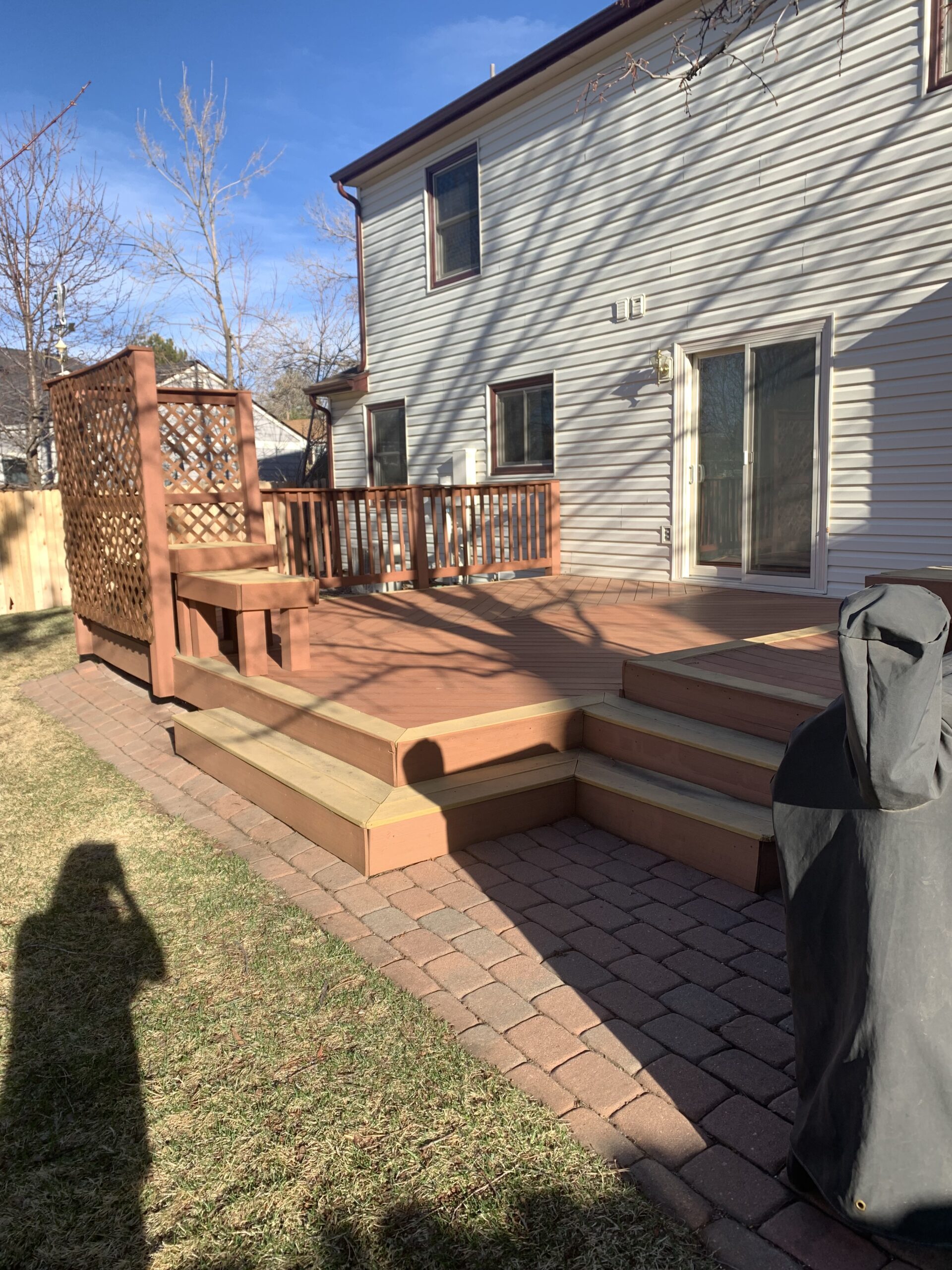
Before
After
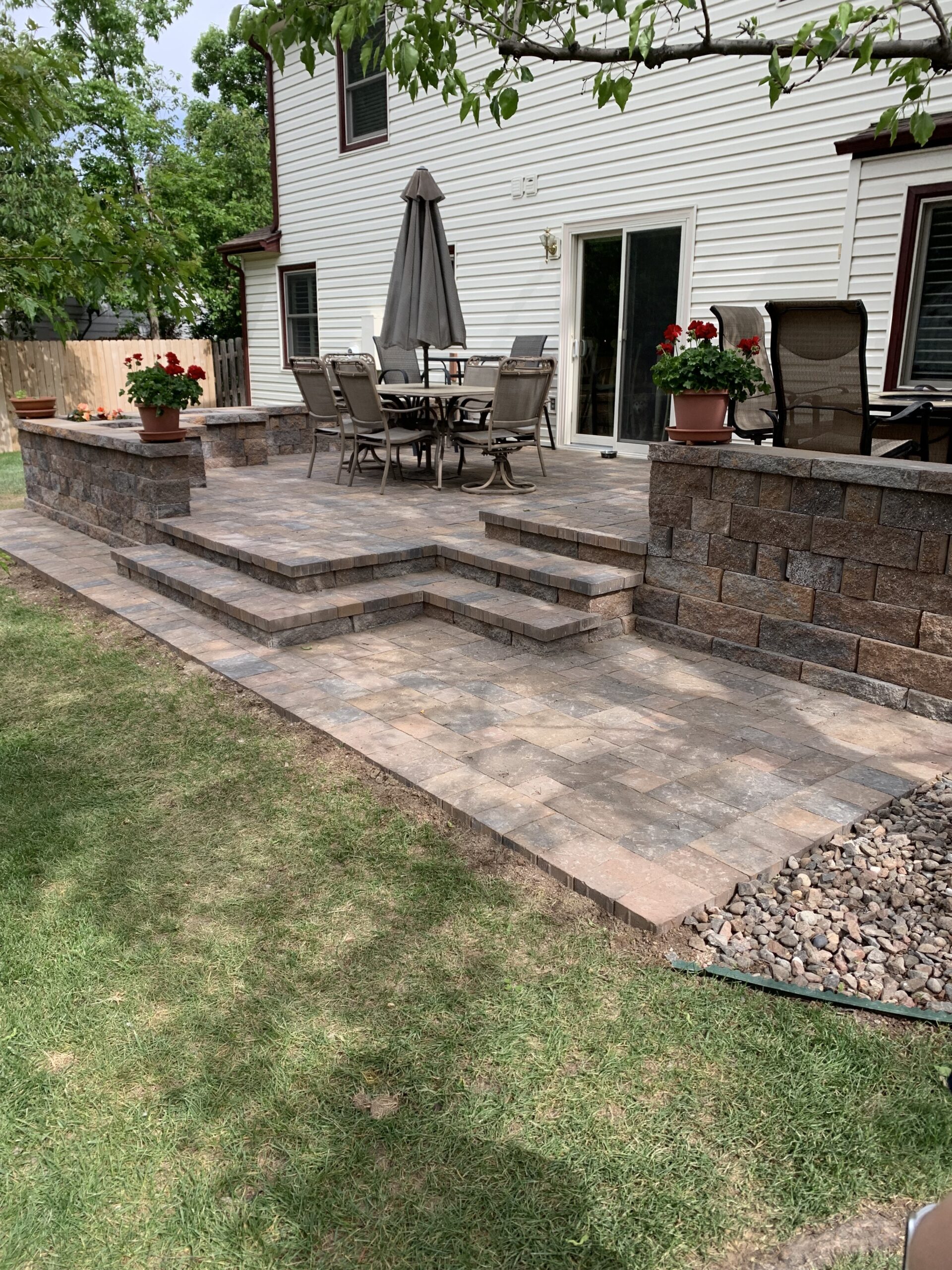
Replace Your Old Deck or Concrete Patio with Pavers
Tired of rotting wood decks or cracked concrete? Stone Creek Hardscapes designs and installs paver patios that outlast the elements and elevate your outdoor living space. Each installation is built for strength, beauty, and year-round performance — creating a custom space where you can relax, entertain, and enjoy Colorado living without the upkeep.
Each patio is built to withstand the state’s tough freeze–thaw cycles while adding timeless beauty and value to your home.
Our ICPI-certified team carefully removes your old surface and replaces it with a precision-built paver patio that blends strength, style, and function. Whether you’re looking for a simple, elegant design or a fully customized outdoor retreat with seating walls, steps, or fire features — we’ll bring your vision to life.
Paver Patio FAQ'S
Paver patios offer several advantages over concrete in Denver’s challenging climate. Unlike concrete, which can crack and deteriorate due to Denver’s freeze-thaw cycles, pavers expand and contract naturally, making them more resistant to cracking. Pavers are also more customizable, allowing homeowners to choose from various patterns, textures, and colors. Additionally, if a paver becomes damaged, it can be easily replaced without affecting the rest of the patio. For Denver homeowners, the added durability, aesthetic appeal, and low-maintenance requirements make paver patios a superior choice.
Yes, paver patios are designed to withstand heavy snow and ice in Denver. Unlike concrete, which can crack or shift under the pressure of freezing temperatures, pavers expand and contract naturally, making them more flexible and resistant to damage. The joints between the pavers allow for better water drainage, preventing ice buildup on the surface. Additionally, because pavers are individual stones, if one becomes damaged from heavy snow removal or ice, it can be easily replaced without affecting the rest of the patio.
The installation process for a paver patio in Denver begins with excavation and grading of the site. After the soil is compacted, a base layer of crushed stone or gravel is laid to ensure stability. A layer of sand is spread over the base to create a smooth surface for the pavers. The pavers are then placed in the desired pattern and pressed into the sand. Finally, polymeric sand is applied between the pavers to lock them in place, and the surface is compacted to ensure everything is secure.
Paver patios are typically more expensive than concrete patios initially due to the cost of materials and labor. However, they offer a higher return on investment due to their durability, low maintenance, and customization options. Concrete patios may crack and require repairs over time, while paver patios can be easily repaired by replacing individual stones. Additionally, the aesthetic appeal and long lifespan of paver patios make them a worthwhile investment for homeowners looking to enhance their outdoor living space.
To ensure lasting performance, patio pavers should not be installed over concrete. If you have an existing concrete slab patio, we will demolish and remove it so that your new patio can be properly built from the ground up using our Permalast Layered Install System. We utilize a special joint sand stabilizing installation method that will hold your pavers securely in place for years to come. The result is a durable, beautiful paving stone patio that is effortless to maintain and easy to enjoy.
You can start using your new paver patio immediately after installation is complete! Unlike some other outdoor surfaces that require time to set, pavers are ready for use as soon as the final stone is placed. Whether you’re hosting a gathering, enjoying a quiet evening, or placing your new patio furniture, you won’t have to wait to start enjoying your space. Just make sure everything is properly arranged and you’re all set to enjoy your beautiful new patio right away!
Outdoor Living Ideas from Stone Creek Hardscapes
See real projects we’ve completed across Colorado and discover ideas for your next outdoor transformation

The Sub-Base Advantage: 3 Critical Layers We Use to Keep Colorado Paver Patios Crack-Free for 25+ Years
Colorado is one of the most beautiful — and one of the most challenging — places
Read More
Beyond Concrete: Why Pavers Are the Only Durable Choice for Denver Metro’s Harsh Winters
Denver’s climate is both beautiful and brutal. We enjoy more than 300 sunny days but
Read More
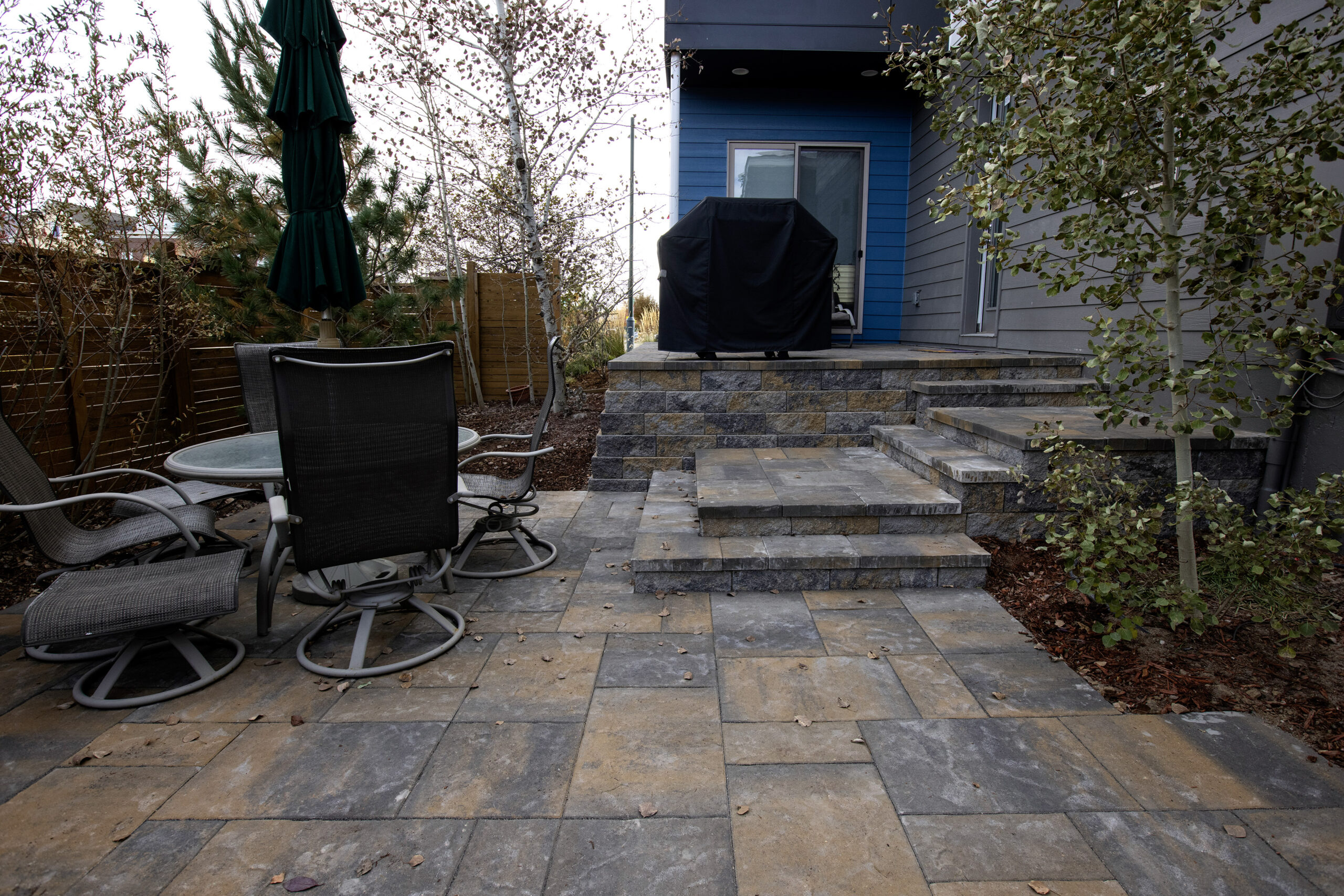

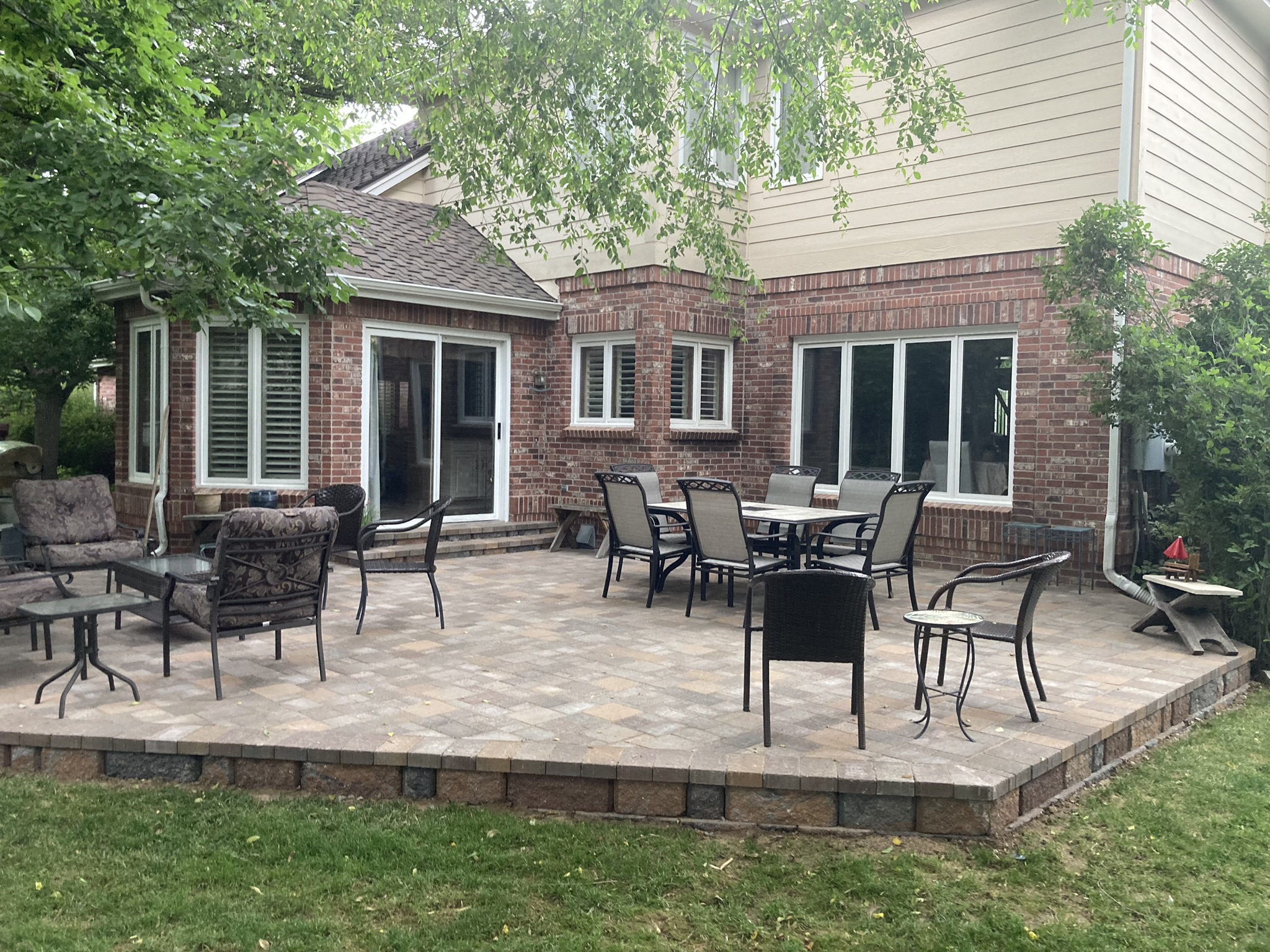


Stop the Shift: The Paver Installation Secret to Surviving Colorado’s Brutal Freeze-Thaw Cycle
Colorado homeowners love the beauty and durability of paver patios, walkways, and driveways — but
Read MoreYour Vision. Our Design. Let’s Bring Your Dream Patio to Life.
Get your free, no-obligation consultation and detailed plan — see your project before you build.
Why Homeowners Choose Stone Creek Hardscapes
At Stone Creek Hardscapes, quality craftsmanship doesn’t have to come with a premium price tag. Our efficient process, in-house crews, and long-standing supplier relationships allow us to deliver top-tier paver installations at fair, competitive rates. You’ll receive honest, transparent pricing with no hidden fees — just the best materials and workmanship your budget can buy.
Our crews are fully certified through the Interlocking Concrete Pavement Institute (ICPI) and Permeable Interlocking Concrete Pavement (PICP) programs — the national standards for paver installation excellence. This means every project is built to last, with proper base prep, drainage, and compaction for long-term performance in Colorado’s demanding climate.
Free Design Plans & Consultations with Every Proposal
Every proposal from Stone Creek Hardscapes comes with a custom design plan — not just a quote. You’ll see exactly how your new patio, driveway, or outdoor space will look before making a commitment. Each plan includes layout details, material recommendations, and clear pricing, so you can make informed decisions with confidence.
With no-cost, no-pressure consultations, our goal is to help you visualize your project and move forward knowing precisely what to expect — from the first sketch to the finished stonework.
Stone Creek Hardscapes & Design is fully licensed and insured for all residential and commercial hardscape projects in Colorado. This gives you peace of mind knowing that your investment is protected, and that every project is completed safely, professionally, and to code.
Stone Creek Hardscapes is proud to be a three-time national award winner for design and installation excellence at the Hardscape North America Awards (2016, 2019, and 2020). These honors recognize our commitment to precision craftsmanship, innovation, and customer satisfaction on every project we complete.
Paver patios are incredibly easy to repair, making them a long-term, cost-effective solution for your outdoor space in Denver. If a paver becomes damaged due to wear and tear or harsh weather conditions, you can easily replace individual stones without the need to redo the entire patio. This is a huge advantage over concrete patios, which can crack and require expensive repairs. Because pavers are set individually, repairs are quick and affordable, preserving the overall aesthetic of your patio without major disruption. Regular maintenance like cleaning and sealing can further extend the life of your paver patio, minimizing the need for repairs.
When it comes to design, paver patios offer endless customization options that can match any style and aesthetic. Homeowners in Denver can choose from various materials like concrete, natural stone, or clay pavers, and select colors, shapes, and patterns that best complement their outdoor space. Whether you prefer a classic look with intricate patterns or a more contemporary design, paver patios allow you to personalize every detail. Pavers also provide the flexibility to incorporate borders, textures, and even custom shapes for unique features like outdoor kitchens or fire pits. This versatility ensures that your paver patio will not only be functional but also an attractive addition to your home.
Maintaining a paver patio in Denver is simple and hassle-free. Unlike concrete patios, which may require frequent resealing or costly patching, pavers are designed for easy upkeep. Regular sweeping to remove dirt and debris, occasional power washing, and reapplying sand between joints are the main tasks needed to keep your paver patio looking fresh. Additionally, because pavers are set individually, damaged pavers can be replaced without affecting the surrounding ones. This makes paver patios not only low-maintenance but also long-lasting in Denver’s varied climate, where extreme temperatures and freeze-thaw cycles can wear down other materials.
A professionally installed paver patio can significantly increase your home’s value. As one of the most desirable features for homebuyers, a beautiful, well-maintained patio expands your living space, making it ideal for entertaining and outdoor activities. Paver patios offer both functionality and style, providing a durable, attractive area for family gatherings or relaxing evenings. In Denver, where outdoor living spaces are highly valued due to the climate, having a paver patio can make your property stand out in the real estate market, yielding a solid return on investment. Whether you’re planning to sell or simply improve your outdoor experience, paver patios are a wise investment that boosts your home’s appeal.
Paver patios are built to last, even in Denver’s harsh weather conditions. The durable, high-quality materials used in pavers, such as concrete, clay, and natural stone, resist cracking, fading, and shifting over time. With proper installation and maintenance, your paver patio can last for several decades, with minimal repairs required. The interlocking design of pavers ensures that the patio stays stable even during Denver’s freeze-thaw cycles. Additionally, the ability to replace individual pavers makes it easy to keep your patio looking great year after year, without the need for complete replacement.
1. What are the benefits of installing a paver patio in Denver?
Paver patios are an excellent choice for Denver homeowners due to their durability, aesthetics, and low maintenance. Unlike concrete, pavers can handle the freeze-thaw cycles typical of Colorado weather without cracking or shifting. The permeability of pavers also allows rainwater to drain naturally, preventing water pooling and erosion, which is especially important in Denver’s unpredictable weather. Paver patios can be customized in various colors, shapes, and patterns, giving you endless design options to suit your home. The long-lasting nature of pavers also means fewer repairs and greater value for your home over time.
2. How long do paver patios last in Denver’s climate?
A well-installed paver patio can last up to 30–50 years in Denver’s climate, thanks to the durability of materials like concrete, clay, and natural stone. Unlike concrete, which is prone to cracking from freeze-thaw cycles, pavers naturally expand and contract with temperature changes, which prevents damage. With regular maintenance such as cleaning and re-sanding the joints, your paver patio will remain in excellent condition for decades. The individual pavers can also be replaced if damaged, ensuring the patio’s longevity. This makes paver patios a smart investment for homeowners who want long-term outdoor solutions.
3. How does a paver patio help with drainage in Denver?
Paver patios are designed to allow water to drain through the gaps between the individual pavers, which is an essential feature for Denver’s weather patterns. This natural drainage system prevents water from pooling on the surface and reduces the risk of erosion or flooding, which can occur with solid surfaces like concrete. The ability of pavers to manage snowmelt and rainwater ensures that the patio remains functional year-round. Proper installation of a paver patio with the right base and joint material enhances its drainage capability. As a result, your home and landscape remain protected from water damage.
4. Are paver patios better than concrete in Denver’s weather?
Paver patios offer several advantages over concrete in Denver’s challenging climate. Unlike concrete, which can crack and deteriorate due to Denver’s freeze-thaw cycles, pavers expand and contract naturally, making them more resistant to cracking. Pavers are also more customizable, allowing homeowners to choose from various patterns, textures, and colors. Additionally, if a paver becomes damaged, it can be easily replaced without affecting the rest of the patio. For Denver homeowners, the added durability, aesthetic appeal, and low-maintenance requirements make paver patios a superior choice.
5. How do you maintain a paver patio in Denver?
Maintaining a paver patio in Denver is relatively simple and requires minimal effort. Regular sweeping helps remove dirt and debris that can accumulate over time. Power washing the surface once a year will remove stains and buildup, keeping your paver patio looking fresh. Reapplying sand between the pavers every few years helps keep the joints stable and prevents weed growth. The best part about paver patios is that if one becomes damaged, it can be replaced individually without disrupting the entire patio, making repairs straightforward.
6. What types of pavers are best for patios in Denver?
The best pavers for patios in Denver are those that can withstand extreme temperatures and freeze-thaw cycles. Concrete pavers are a popular choice for their affordability, versatility, and ability to mimic other materials. Natural stone pavers, such as flagstone or slate, provide a high-end, rustic look and are extremely durable. Clay pavers are also a good option for their classic look and ability to retain color over time. Each material offers unique benefits, so the best choice depends on your budget, aesthetic preferences, and functional needs.
7. Can a paver patio handle heavy snow and ice in Denver?
Yes, paver patios are designed to withstand heavy snow and ice in Denver. Unlike concrete, which can crack or shift under the pressure of freezing temperatures, pavers expand and contract naturally, making them more flexible and resistant to damage. The joints between the pavers allow for better water drainage, preventing ice buildup on the surface. Additionally, because pavers are individual stones, if one becomes damaged from heavy snow removal or ice, it can be easily replaced without affecting the rest of the patio.
8. How much does a paver patio increase home value in Denver?
A professionally installed paver patio can significantly increase your home’s value in Denver, particularly if you focus on creating a functional and aesthetically pleasing outdoor space. Paver patios enhance curb appeal, making your home more attractive to potential buyers. In Denver’s competitive real estate market, outdoor living spaces are highly sought after, and a high-quality paver patio can set your home apart from others. Additionally, paver patios provide a low-maintenance, durable outdoor feature that appeals to buyers looking for long-lasting solutions.
9. How do you design a paver patio for a small backyard in Denver?
Designing a paver patio for a small backyard in Denver involves choosing a layout that maximizes space while maintaining aesthetic appeal. Consider using smaller pavers or creating a simple pattern like a running bond to make the area feel more expansive. Incorporating natural stone or mixed materials can add texture and interest without overwhelming the space. Keep the design simple but functional, adding features like built-in seating or a fire pit to enhance the patio’s usability. Properly placed lighting can also help define the patio area, making it feel cozy and inviting in the evenings.
10. Can paver patios be installed over an existing concrete surface in Denver?
Yes, in many cases, paver patios can be installed over an existing concrete surface in Denver. This process is called a “sand set” installation, where a layer of sand is applied over the concrete to create a stable base for the pavers. This can save time and reduce the cost of removing old concrete. However, the existing concrete must be in good condition, with no major cracks or damage. Proper grading and drainage must also be ensured to avoid water pooling or other issues.
11. What is the cost difference between paver patios and concrete patios in Denver?
While paver patios are typically more expensive to install initially than concrete patios, they offer better long-term value. Pavers require less maintenance, are more durable, and can be easily repaired by replacing individual stones rather than resurfacing the entire patio. In the long run, this can make paver patios a more cost-effective option. Additionally, the aesthetic appeal and customization options available with pavers can increase the overall value of your property, making them a worthwhile investment for homeowners in Denver.
12. How can I make my paver patio more eco-friendly in Denver?
To make your paver patio more eco-friendly in Denver, consider choosing permeable pavers that allow rainwater to flow through the gaps, reducing runoff and helping to recharge the groundwater supply. Opt for locally sourced materials to reduce the environmental impact of transportation. Additionally, using natural stone or recycled materials for the pavers can further reduce your patio’s environmental footprint. Installing a rain garden or landscaping with native plants around your patio can also enhance its eco-friendliness.
13. What are the most popular paver patio designs in Denver?
Popular paver patio designs in Denver include traditional patterns like herringbone and basketweave, which provide a timeless and durable surface. Contemporary designs, such as linear or grid patterns, are also popular for their clean, modern look. Many homeowners in Denver also opt for circular or curved designs, which add a unique and organic feel to their outdoor space. Incorporating pavers with different textures and colors can also create a custom, one-of-a-kind patio that enhances your home’s exterior.
14. Are paver patios a good investment in Denver?
Yes, paver patios are a great investment in Denver, especially given the city’s focus on outdoor living. With their durability, low maintenance, and aesthetic appeal, paver patios offer homeowners a high return on investment. A well-designed paver patio can significantly increase your home’s value and attract potential buyers when it comes time to sell. Moreover, paver patios provide a functional outdoor space for relaxation and entertainment, making them a valuable addition to your home.
15. What are the maintenance requirements for paver patios in Denver?
Paver patios in Denver require minimal maintenance. Regular sweeping to remove debris is usually sufficient to keep the surface clean. Power washing every few years will help maintain the appearance of the pavers by removing dirt and stains. It’s also important to check for any loose or damaged pavers, which can be easily replaced. Reapplying sand between the pavers helps keep them locked in place and prevents weed growth, ensuring your patio remains stable and attractive over time.
16. Can I install a paver patio myself in Denver?
While it is possible to install a paver patio yourself, it requires careful planning, the right tools, and knowledge of proper installation techniques. You will need to excavate the site, create a stable base with crushed stone or gravel, and lay down the pavers in a pattern that complements your space. Ensuring proper drainage is also critical to avoid future issues with pooling water. If you’re not experienced with outdoor construction, it’s recommended to hire a professional to ensure that your paver patio is installed correctly and will last for years.
17. How do I choose the right paver material for my patio in Denver?
Choosing the right paver material for your patio in Denver depends on your style preferences, budget, and the durability you need. Concrete pavers are cost-effective and come in a variety of shapes and colors, making them a popular choice. Natural stone, such as flagstone or slate, offers a more luxurious, rugged look and is ideal for creating a timeless patio. Clay pavers provide a classic, elegant feel and hold up well in Denver’s weather. Consider factors like color, texture, and the overall aesthetic of your home when selecting the best material.
18. How do paver patios handle Denver’s harsh winters?
Paver patios are well-suited to Denver’s harsh winters. Unlike concrete, which can crack under the pressure of freeze-thaw cycles, pavers are designed to expand and contract naturally, preventing damage. The joints between the pavers allow for effective drainage, reducing the risk of water pooling and freezing. Pavers are also slip-resistant, providing better traction when covered with snow or ice. This makes them a safer and more durable option for winter use than traditional concrete patios.
19. What is the installation process for a paver patio in Denver?
The installation process for a paver patio in Denver begins with excavation and grading of the site. After the soil is compacted, a base layer of crushed stone or gravel is laid to ensure stability. A layer of sand is spread over the base to create a smooth surface for the pavers. The pavers are then placed in the desired pattern and pressed into the sand. Finally, polymeric sand is applied between the pavers to lock them in place, and the surface is compacted to ensure everything is secure.
20. What are the different paver patio patterns available in Denver?
In Denver, popular paver patio patterns include herringbone, basketweave, and running bond, which offer timeless and elegant designs. For a more contemporary look, linear and grid patterns are often chosen, providing a sleek and modern appearance. Circular or curved patterns are also commonly used to add a unique, organic shape to the patio. You can mix and match different patterns to create a custom design that complements your home’s style and landscaping.
21. Can paver patios be installed on slopes in Denver?
Yes, paver patios can be installed on slopes in Denver. Proper grading is crucial to ensure that the patio remains stable and water drains properly. The individual pavers help distribute weight evenly, making them ideal for sloped areas. Additionally, the interlocking design of pavers provides extra stability, ensuring that the patio remains intact even on a slope. A professional installer can help ensure the patio is level, secure, and properly graded for drainage.
22. Are paver patios more expensive than concrete patios in Denver?
Paver patios are typically more expensive than concrete patios initially due to the cost of materials and labor. However, they offer a higher return on investment due to their durability, low maintenance, and customization options. Concrete patios may crack and require repairs over time, while paver patios can be easily repaired by replacing individual stones. Additionally, the aesthetic appeal and long lifespan of paver patios make them a worthwhile investment for homeowners looking to enhance their outdoor living space.
23. How do I prevent weed growth in my paver patio in Denver?
To prevent weed growth in your paver patio in Denver, it’s essential to apply polymeric sand between the pavers during installation. This type of sand hardens when it comes in contact with water, filling the gaps and creating a barrier against weeds. Regularly sweeping and reapplying sand as needed helps maintain the integrity of the joints. You can also install a weed barrier fabric underneath the pavers to further reduce the chance of weeds growing through.
24. What maintenance is needed for a paver patio in Denver?
Maintaining a paver patio in Denver is easy and involves a few simple tasks. Regular sweeping removes dirt and debris, while power washing once a year helps to eliminate stains and buildup. It’s also important to inspect the patio for any loose pavers and replace them as needed. To prevent weed growth, reapply polymeric sand every few years. Finally, resealing the patio every few years will help maintain the color and protect the pavers from staining or fading.
25. What are the eco-friendly benefits of installing a paver patio in Denver?
Paver patios are eco-friendly due to their permeable nature, allowing water to flow through the gaps between the stones. This reduces runoff and helps recharge groundwater, which is particularly important in Denver, where water conservation is essential. Additionally, using natural stone or recycled materials for the pavers can further minimize the environmental impact. Paver patios also last longer than concrete, reducing the need for frequent replacements and keeping waste out of landfills.
26. How does a paver patio improve outdoor living space in Denver?
A paver patio improves your outdoor living space by providing a durable, attractive area for entertaining, dining, or relaxing. With endless design options, paver patios can complement your home’s style and landscaping. They provide a stable, low-maintenance surface for outdoor furniture and activities. In Denver, where outdoor living is valued, a paver patio creates a functional space that extends your home’s living area and adds value to your property.
27. Can a paver patio be installed over an existing concrete slab in Denver?
Yes, a paver patio can often be installed over an existing concrete slab in Denver. This type of installation is cost-effective because it eliminates the need to remove the old concrete. The concrete slab serves as a solid foundation for the pavers, and a layer of sand is applied on top to create a level surface. However, the concrete slab must be in good condition, free of cracks, and sloped to allow for proper drainage.
28. Are there any disadvantages to installing a paver patio in Denver?
While paver patios offer many benefits, there are a few potential drawbacks to consider. The initial cost can be higher than that of a concrete patio, and the installation process requires skilled labor to ensure proper leveling and drainage. Pavers can also shift over time if not installed correctly, but this is easily addressed by replacing the affected pavers. However, with proper installation and maintenance, these drawbacks are minimal compared to the long-term benefits of a paver patio.
29. How does weather affect the installation of paver patios in Denver?
The weather in Denver can impact the installation of paver patios, particularly during the winter months when the ground is frozen. It’s best to install paver patios during the spring or fall when the weather is more moderate. Extreme heat in summer can also cause the materials to expand or warp, so it’s important to schedule the installation during a time of year when temperatures are more consistent. A professional installer can manage these variables to ensure the patio is properly installed.
30. Why should I choose paver patios for my Denver home?
Paver patios are an excellent choice for Denver homes due to their durability, versatility, and aesthetic appeal. The ability to customize designs, patterns, and colors ensures that your patio will complement your home’s style perfectly. Pavers are resistant to cracking, shifting, and fading, making them ideal for Denver’s freeze-thaw cycles and intense sun. Additionally, the low maintenance and long-lasting nature of pavers make them a great investment, increasing the overall value of your property.
Cities We Service
Arvada, Aurora, Boulder, Broomfield, Brighton, Castle Rock, Centennial, Cherry Hills Village, Conifer, Englewood, Erie, Evergreen, Federal Heights, Firestone, Franktown, Frederick, Genesee, Golden, Greenwood Village, Henderson, Highlands Ranch, Indian Hills, Ken Caryl, Lafayette, Lakewood, Larkspur, Littleton, Longmont, Lone Tree, Morrison, Northglenn, Parker, Roxborough, Sedalia, Sheridan, Southglenn, Superior, Thornton, Westminster, Wheat Ridge