
Stone Creek Hardscapes & Design
Enduring Paver Patios, Driveways & Outdoor Living Spaces
Denver's Locally Owned and Operated Hardscape Contractor For Over 25 Years
Trusted by Colorado Homeowners Since 1998
3-Time ICPI Award Winners for Craftsmanship & Design, Stone Creek Hardscapes & Design in Denver has helped Colorado homeowners transform their outdoor spaces into places to relax, gather, and enjoy. From patios and driveways to fire pits and outdoor kitchens, we’ll bring your ideas to life with lasting quality and craftsmanship.
Stone Creek Hardscapes has been recognized three times by the ICPI “Hardscape North America” Awards for craftsmanship and design excellence.

What our clients are saying about Stone Creek Hardscapes
Beautifully Built Outdoor Designs For Colorado Living

Paver driveways built for Colorado durability and style. Designed to handle freeze-thaw cycles, while adding lasting beauty to your home.
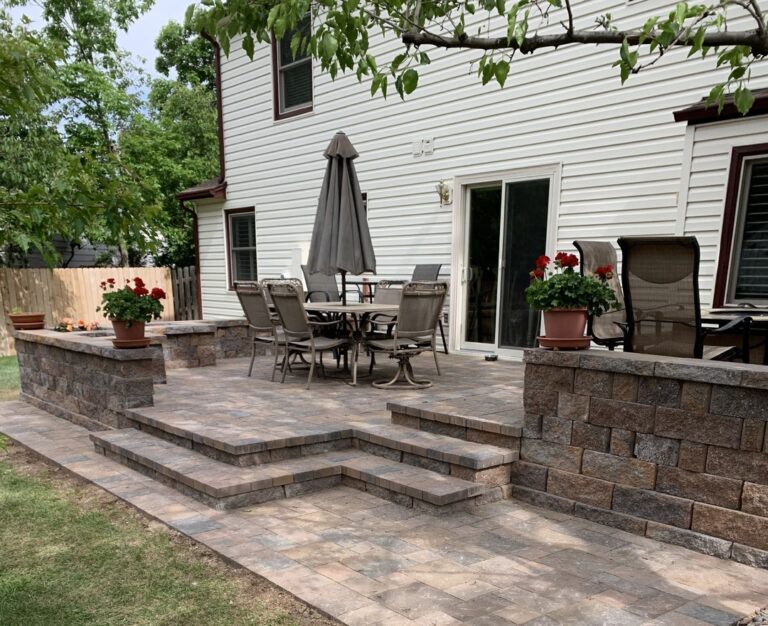
Create an outdoor space made for living. Our paver patios blend craftsmanship and design to deliver comfort, function, and timeless appeal year-round.
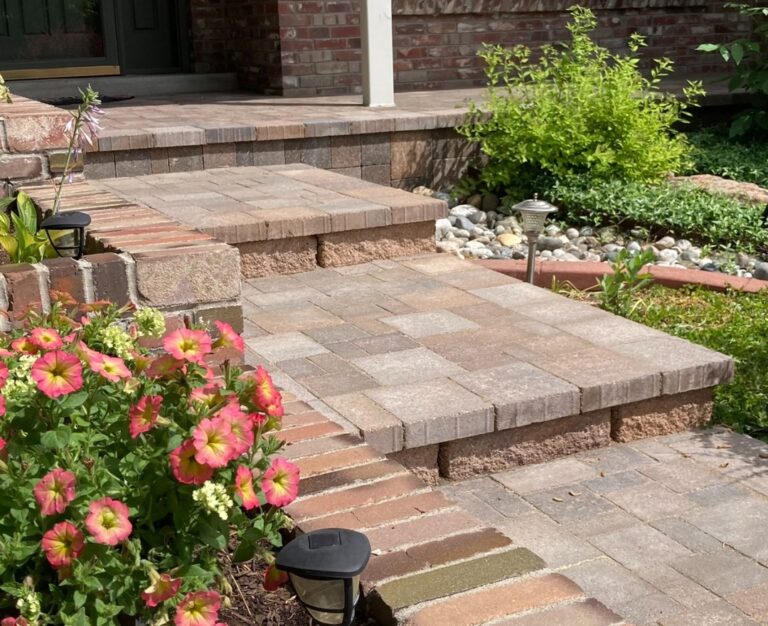
Upgrade your home’s first impression. Paver front entries add curb appeal and strength, replacing cracked concrete with elegant, long-lasting design.
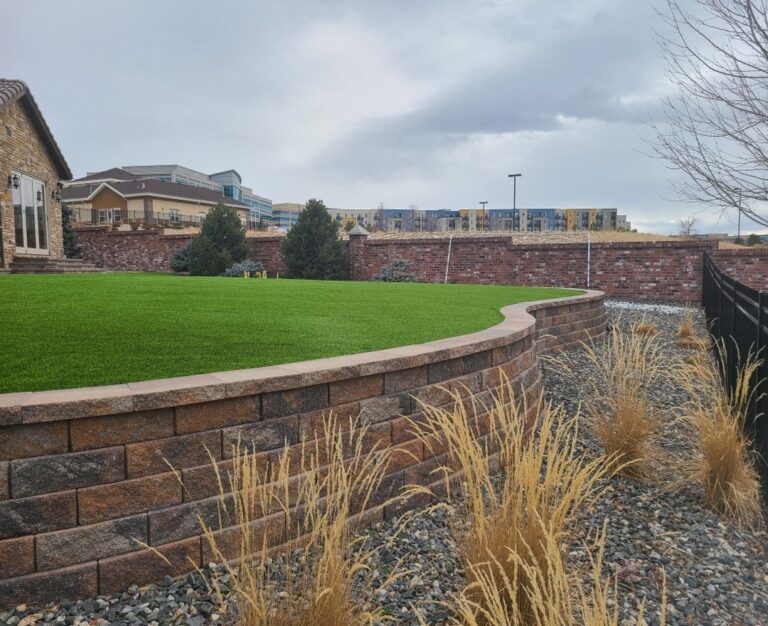
Built to endure Colorado’s terrain, our retaining walls combine structure and style — providing stability, definition, and visual impact to your landscape.

Gather, relax, and enjoy Colorado evenings with a custom paver fire pit. Designed for safety, style, and durability — a perfect centerpiece for your backyard.
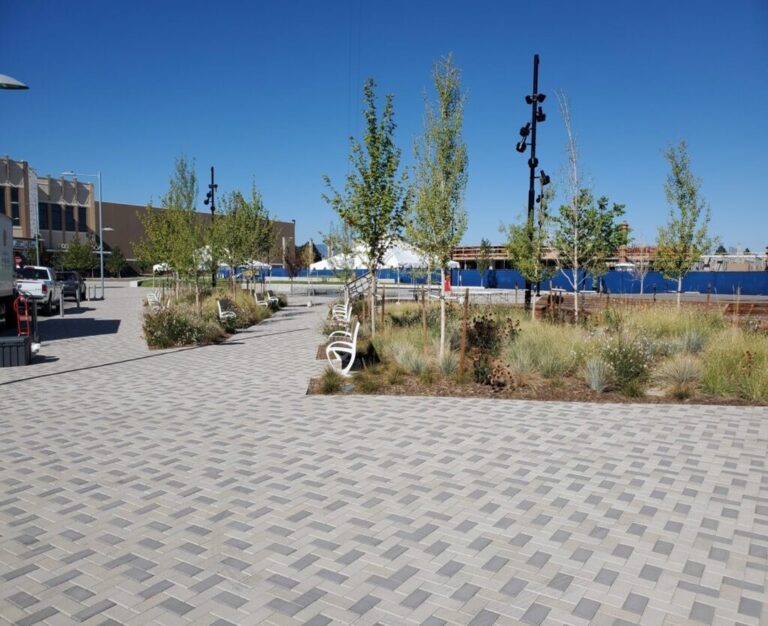
Stone Creek Hardscapes’ commercial division delivers large-scale paver installations across Colorado and Utah — from streets to plazas and walkways built to perform.
Our Proven 4-Step Paver Installation Process for Colorado Homes

Expertly Managed Projects With Clear Communication
Step 1: Free, On-Site Consultation We meet at your home to measure and discuss your vision. No pressure—just expert advice on layouts and materials that fit your landscape.
Step 2: Custom Design & No-Surprise Quote You get a scaled design plan and a clear, written proposal. Visualizing the final look upfront ensures there are no surprises later.
Step 3: ICPI-Certified Installation Our certified crew builds specifically for Colorado weather. We prioritize precision base prep, based on our visual inspection and build to withstand freeze-thaw cycles and heavy snow.
Step 4: Final Walkthrough & Warranty
Once your project is complete, we walk it with you, answer questions, and make sure you’re thrilled with the result. You’ll receive your workmanship warranty — our promise to stand by our work for years to come.
Ready to start Step 1? Stop dreaming and start building. Contact us today to schedule your free consultation and get a hardscape built to last in Colorado.
You’ll Get a Detailed Plan — Before You Commit
See exactly what your project will look like before construction begins.

Estate Hardscapes and Patio Plan
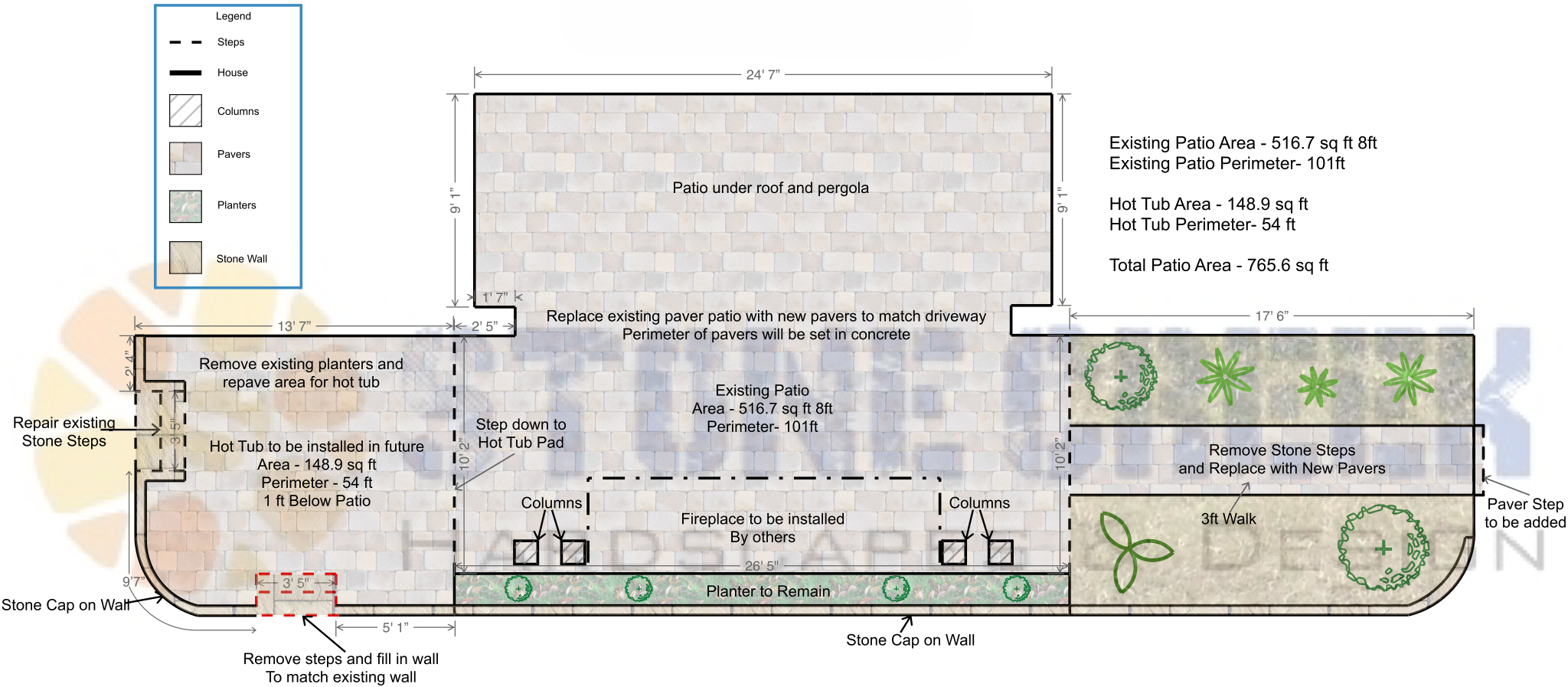
Custom Paver Patio Design Plan
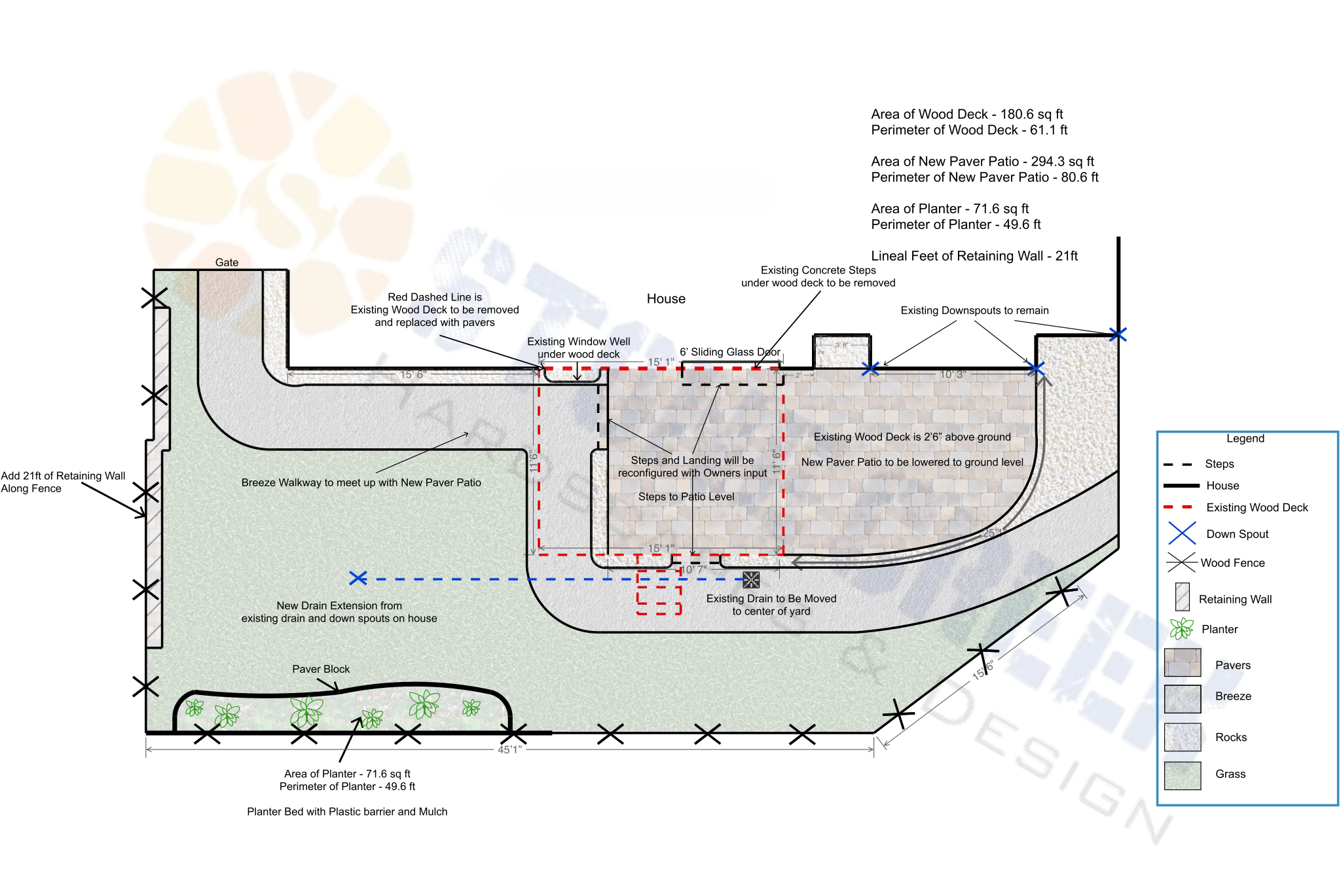
Custom Paver Patio Design Plan
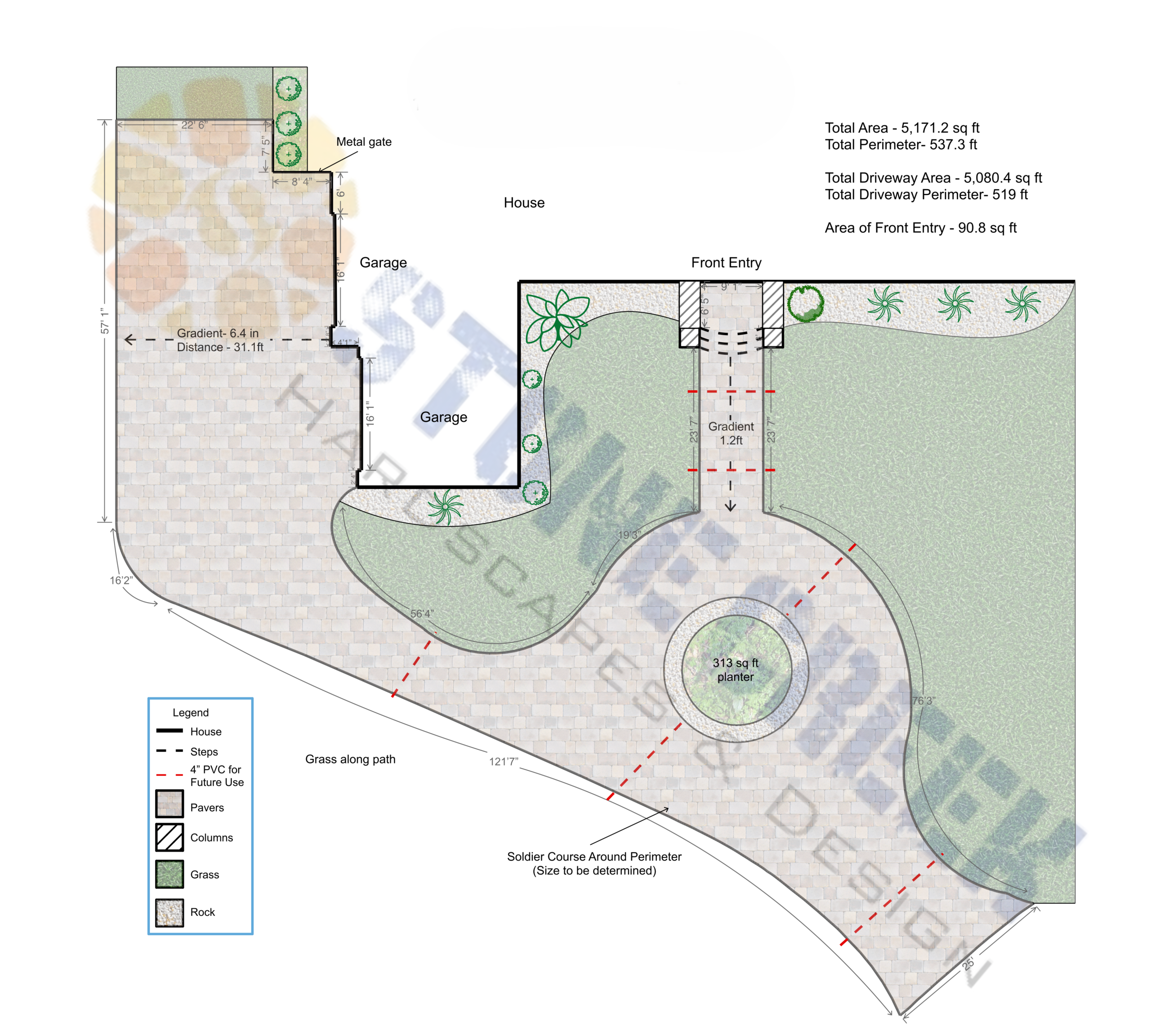
Paver Driveway Layout
At Stone Creek Hardscapes, we don’t believe in rough estimates. Your project deserves a clear, detailed roadmap before construction begins. Our professional design plans include precise measurements, material callouts and accurate layout details—giving you complete confidence in how your new outdoor space will look and perform.
Why this matters for you:
Visual Confidence: See how the design fits your home’s architecture.
Accurate Pricing: A precise plan means a precise quote—no hidden costs later.
HOA Ready: Our plans are detailed enough to submit directly to your HOA for approval.
With over 25 years of experience, we’ve perfected our process to ensure every project delivers lasting beauty, precision, and customer satisfaction.
Schedule your free, no-obligation consultation today.
Design Inspiration & Expert Insights from Stone Creek Hardscapes
See real projects we’ve completed across Colorado and and get expert advice for your next outdoor transformation

The Sub-Base Advantage: 3 Critical Layers We Use to Keep Colorado Paver Patios Crack-Free for 25+ Years
Colorado is one of the most beautiful — and one of the most challenging — places
Read More
Beyond Concrete: Why Pavers Are the Only Durable Choice for Denver Metro’s Harsh Winters
Denver’s climate is both beautiful and brutal. We enjoy more than 300 sunny days but
Read More
Stop the Shift: The Paver Installation Secret to Surviving Colorado’s Brutal Freeze-Thaw Cycle
Colorado homeowners love the beauty and durability of paver patios, walkways, and driveways — but
Read MoreSchedule your free, no-obligation consultation today.
At Stone Creek Hardscapes, we believe premium craftsmanship doesn’t have to mean premium prices. Our in-house crews work efficiently and precisely, using only ICPI-approved materials that meet or exceed Colorado’s demanding climate standards. Every paver driveway, patio, or wall is engineered for lasting value — so you get beauty, strength, and performance that far outlasts cheaper alternatives.
Our installers are trained and certified by the Interlocking Concrete Pavement Institute (ICPI) and the Permeable Interlocking Concrete Pavement (PICP) program — the industry’s top authorities on paver construction. This certification ensures your driveway or patio is built to professional engineering standards, from base prep and compaction to joint stabilization and drainage.
Every project starts with a no-pressure, free design consultation. We’ll meet with you on-site, review your ideas, measure your space, and provide a detailed written estimate — no guesswork, no surprises. Whether you’re replacing a cracked concrete driveway or adding a new paver patio, we’ll give you a clear plan that fits your property, goals, and budget.
Stone Creek Hardscapes & Design is fully licensed and insured in the state of Colorado, so you can have total peace of mind knowing your home and property are protected. Our crews follow strict safety and construction standards on every job. We also handle all necessary permits and inspections, so your project meets local codes and HOA guidelines without hassle.
Stone Creek Hardscapes has been recognized three times by the ICPI Hardscape North America Awards for excellence in craftsmanship, design, and installation. These awards represent the highest standard in the industry — proof of our commitment to quality and attention to detail. When you choose Stone Creek, you’re hiring one of Colorado’s most trusted and nationally recognized hardscape contractors.
Colorado’s weather takes a toll on concrete — cracks, color mismatches, and patch repairs that never blend in. But with a paver patio or driveway, repairs are simple, clean, and long-lasting.
If a paver ever shifts or cracks, our crews can quickly replace just that section — no jackhammers, no ugly patchwork. And if you ever need access to plumbing, sprinklers, or utility lines beneath your pavers, they can easily be lifted and re-laid without damage.
Stone Creek Hardscapes builds modular, repair-friendly paver systems that stay beautiful and functional for decades — even in Colorado’s toughest freeze-thaw cycles.
Your outdoor space should be as unique as your home. That’s why we offer hundreds of colors, patterns, and paver styles designed to complement Colorado’s natural landscape and architecture.
Whether you want a modern paver driveway in Highlands Ranch, a rustic flagstone-look patio in Castle Pines, or a warm courtyard design in Parker, we’ll create a look that’s truly yours.
From permeable pavers to custom borders, inlays, and fire pit areas, Stone Creek Hardscapes gives you design freedom and professional guidance to make your outdoor space stand out beautifully — and last through every season.
Colorado winters bring snow, ice, and rapid temperature changes that cause concrete to crack and heave. Pavers are engineered to handle these extremes — expanding and contracting naturally with the weather.
Unlike poured concrete, which can stain or crumble over time, interlocking pavers resist salt, moisture, and heat. Cleaning is effortless — a quick sweep or rinse is usually all it takes to keep them looking brand new.
With low-maintenance paver patios and driveways, you can spend less time worrying about upkeep and more time enjoying your space, year-round.
A well-designed paver patio or driveway instantly boosts your home’s curb appeal and resale value. Buyers notice when outdoor spaces are built to last — and in Colorado’s climate, durable, attractive pavers stand out from cracked concrete every time.
From elegant entryways and custom walkways to backyard retreats and outdoor kitchens, every paver project by Stone Creek Hardscapes is an investment in long-term beauty and lasting value.
Whether you’re planning to sell or simply want to enjoy your home more, our work helps enhance the look, function, and value of Colorado homes.
Colorado’s extreme weather — from snow and ice to scorching summer heat — is tough on traditional concrete. But pavers are built to endure it all.
A properly installed paver system can last 50 years or more, far outlasting typical concrete slabs that crack within just a few winters. With a solid base, tight joints, and high-quality materials, your patio or driveway will maintain its strength and beauty through every season.
At Stone Creek Hardscapes, we use ICPI-certified installation standards to ensure every paver system performs for decades, giving you peace of mind and a lifetime of outdoor enjoyment.
1. What makes paver driveways a better choice than concrete in Colorado?
Colorado homeowners often discover that traditional concrete slabs can’t handle the region’s intense freeze-thaw cycles. As the ground expands and contracts, concrete tends to crack, flake, and discolor — leaving unsightly lines and uneven surfaces. Paver driveways, on the other hand, are designed to move with the earth. Each interlocking paver is flexible, durable, and easy to repair if one ever shifts. Unlike poured concrete, which can require costly replacements every 10–15 years, pavers can last 50 years or more with minimal upkeep. They’re also stain-resistant, more slip-resistant during icy Denver winters, and can be easily cleared of snow. A professionally installed paver driveway in Denver from Stone Creek Hardscapes combines timeless curb appeal with unmatched performance in Colorado’s tough climate — a true investment in both beauty and durability.
2. How long does a paver driveway last in Denver’s climate?
When installed with a proper compacted base, edge restraints, and ICPI-certified craftsmanship, a paver driveway in Colorado can last more than half a century. The longevity comes from their structural flexibility and dense composition — qualities that help resist cracking from snow, ice, and rapid temperature swings. Concrete slabs, by comparison, may begin showing wear within 5–10 years due to Colorado’s freeze-thaw expansion. Stone Creek Hardscapes uses high-compression, color-fade-resistant pavers designed for long-term durability in Denver’s dry summers and frozen winters. With basic maintenance — occasional sweeping, joint sand renewal, and resealing every few years — your driveway will remain level, functional, and beautiful for decades. Many homeowners also appreciate that a paver driveway maintains its resale value, making it not just a surface, but a long-lasting home improvement investment.
3. Are paver driveways slippery during snow and ice?
No — paver driveways are actually safer than smooth concrete during icy conditions. The textured surface of each paver provides natural grip for tires and shoes, even when wet or snow-covered. Additionally, the small joints between pavers allow water to drain instead of pooling on the surface, reducing ice buildup during freeze cycles. This makes them particularly suited for Denver and Front Range winters, where daytime melting often refreezes overnight. Stone Creek Hardscapes also installs pavers with slight grading for proper runoff, further preventing dangerous slick spots. For even more protection, sealing your pavers adds a hydrophobic barrier that helps snow melt faster and simplifies shoveling. If traction, safety, and longevity are priorities, paver driveways are the smart, low-maintenance choice for Colorado homeowners facing variable winter weather.
4. How much does a paver driveway cost in the Denver area?
The overall investment for a paver driveway in the Denver metro area depends on several factors — including the size of your driveway, site preparation needs, paver style, and any custom design features you choose. While paver driveways may require more initial planning than poured concrete, they provide a far greater return on investment over time.
Colorado’s harsh freeze-thaw cycles cause concrete to crack, discolor, and shift, often leading to expensive repairs or full replacement. Pavers eliminate those issues entirely. Each stone is flexible and replaceable, allowing your driveway to maintain its strength and beauty for decades.
Stone Creek Hardscapes offers free, no-obligation design consultations and detailed project plans, so you’ll know exactly what to expect before work begins. The result is a custom, long-lasting driveway built specifically for Colorado’s demanding climate and designed to elevate your home’s curb appeal.
5. Will my paver driveway crack from Colorado’s freeze-thaw cycles?
No — one of the greatest advantages of a paver driveway is its resistance to cracking in extreme climates. Colorado’s soil expands and contracts throughout the seasons, putting stress on concrete slabs that eventually fracture. Interlocking pavers, however, are installed on a flexible base layer that allows for natural ground movement without damage. Each stone acts independently, distributing pressure evenly instead of forcing the surface to crack. At Stone Creek Hardscapes, we use proven ICPI installation methods that include a deep, compacted road base and polymeric joint sand to keep everything stable and secure. Even in Denver’s heaviest winters, paver driveways maintain their structure and beauty — no more hairline cracks or unsightly concrete repairs. For Colorado homeowners tired of constant concrete patching, pavers are the ultimate low-maintenance alternative.
6. How do I maintain a paver driveway in Denver?
Maintaining a paver driveway in Colorado is simple and budget-friendly. Unlike concrete, which often requires sealing and resurfacing, pavers need only occasional cleaning and joint sand replenishment. Homeowners can sweep debris away, rinse the surface with a garden hose, and apply polymeric sand to lock joints every few years. For extra protection, sealing the pavers enhances color and prevents oil, salt, and water stains — ideal for Colorado’s snowy seasons. If a paver ever shifts or becomes damaged, it can be replaced individually without disturbing the rest of the driveway. Stone Creek Hardscapes builds each system with easy maintenance in mind, ensuring that your investment remains beautiful for decades with very little effort. Many Denver homeowners find that pavers actually get better-looking over time, developing a rich, natural patina.
7. Are paver driveways good for sloped or uneven lots?
Yes — pavers are an excellent choice for sloped properties or uneven terrain common in the Denver foothills and Front Range. Unlike concrete, which can crack under uneven pressure, pavers are laid on a flexible base that contours naturally to the land. Proper grading ensures that rainwater and snowmelt flow away from your home, preventing pooling and erosion. Stone Creek Hardscapes uses advanced laser-leveling tools to design a paver driveway that drains correctly and remains perfectly stable even in challenging yard conditions. The interlocking structure distributes weight evenly, which helps prevent shifting or sinking on sloped surfaces. This makes pavers one of the most adaptable, long-term solutions for Colorado homes with varied topography or steep driveways.
8. How do pavers hold up against road salt and de-icing products?
Denver-area homeowners often use de-icing salts to manage icy conditions, but these can be extremely harsh on traditional concrete. Pavers, however, are made from high-density concrete with low absorption rates, making them resistant to salt damage. Unlike poured slabs that flake and scale over time, paver driveways retain their color and finish even after years of winter exposure. To enhance protection, sealing your pavers every few years creates a barrier that repels moisture and salt residue. Stone Creek Hardscapes uses materials specifically engineered for Colorado climates, ensuring your driveway remains smooth, attractive, and safe season after season. Plus, since individual pavers can be replaced, any isolated salt wear can be fixed easily — another reason they outperform conventional concrete driveways in Denver.
9. What colors and styles of pavers are best for Colorado homes?
Colorado homes tend to feature natural materials like stone, stucco, and wood, which pair beautifully with earth-tone or gray pavers that complement the Rocky Mountain landscape. Popular choices include tumbled cobblestone looks for rustic properties, sleek modern pavers for contemporary homes, and multi-blend tones that mimic natural flagstone. Stone Creek Hardscapes offers dozens of options to match any aesthetic — from warm sandstone hues ideal for Parker and Castle Rock homes to cool charcoal tones that highlight modern Denver architecture. The color and style you choose not only affect curb appeal but can also impact heat absorption and snow visibility. Our design team helps every client select pavers that enhance their home’s exterior and perform well in Colorado’s climate extremes.
10. Can paver driveways handle heavy vehicles?
Absolutely. Professionally installed paver driveways are built to withstand heavy loads from trucks, RVs, and multiple vehicles without cracking or rutting. The key lies in the foundation — a deep, compacted road base combined with tightly interlocked pavers. This creates a surface stronger than poured concrete, capable of handling thousands of pounds of pressure. Stone Creek Hardscapes uses commercial-grade pavers rated for high load-bearing capacity, ensuring your driveway holds up to daily use and Colorado’s fluctuating ground conditions. Whether you’re parking a work truck or recreational vehicle, you can trust that a paver driveway will remain level, durable, and beautiful for decades. It’s a smart investment for homeowners seeking long-term strength and style in one.
11. How long does it take to install a paver driveway in Denver?
A typical paver driveway installation in Denver takes between 5–7 business days, depending on size, design, and weather conditions. The process starts with excavation and compacting a deep, stable base — crucial for preventing heaving during Colorado’s freeze-thaw cycles. Next, the interlocking pavers are laid with precision and edge restraints are installed to prevent shifting. Once the surface is compacted and joint sand is applied, the driveway is ready for immediate use. Unlike concrete, which can take days to cure, pavers can handle vehicle traffic as soon as installation is complete. At Stone Creek Hardscapes, our in-house ICPI-certified crews follow best practices for drainage, grading, and alignment. Even with Denver’s unpredictable weather, we ensure every project is done efficiently and built to last for decades.
12. Are paver driveways environmentally friendly?
Yes — paver driveways are one of the most eco-friendly driveway options in Colorado. They allow rain and snowmelt to drain naturally between the joints, reducing runoff, erosion, and puddling. This design helps replenish local groundwater and prevents strain on Denver’s stormwater systems. For homeowners who want to take sustainability further, Stone Creek Hardscapes also installs permeable pavers that absorb water even more efficiently while still looking beautiful. Unlike asphalt or solid concrete, pavers don’t release harmful chemicals or require petroleum-based sealants. Plus, most pavers are made from natural materials or recycled aggregates, making them an environmentally conscious choice. Choosing a paver driveway helps you enjoy a beautiful, durable surface while protecting Colorado’s land and water resources — it’s good for your home and the environment.
13. Can you repair a section of a paver driveway if needed?
Yes — and that’s one of the top reasons homeowners in Colorado prefer pavers over concrete. If part of your paver driveway in Denver becomes stained, uneven, or damaged, our team can simply remove and replace individual stones without tearing up the entire surface. This is especially helpful in Colorado, where frost heave and soil movement can affect specific areas over time. The repaired section blends seamlessly with the rest of the driveway, so it looks like new again — unlike concrete patch jobs that always stand out. Repairs are typically fast, affordable, and localized. This repair flexibility means that your paver driveway can easily last for decades with only minor maintenance. At Stone Creek Hardscapes, we design all our installations with repairability in mind, giving you peace of mind and long-term value.
14. What’s the difference between standard and permeable pavers?
Standard pavers are tightly interlocked with polymeric sand in the joints, creating a strong, sealed surface that sheds water. Permeable pavers, on the other hand, are designed with slightly wider joints filled with fine gravel, allowing water to drain naturally through the surface. In Denver and across the Front Range — where snowmelt and summer storms can cause water pooling — permeable systems are a fantastic solution. They reduce runoff, prevent ice buildup, and help keep your driveway dry and safe. Both options offer excellent durability, but permeable pavers also support eco-friendly goals and may even qualify for local sustainability incentives. Stone Creek Hardscapes installs both types, helping you choose the right system for your property’s grading, soil conditions, and drainage needs.
15. Do paver driveways need sealing in Colorado?
While sealing isn’t mandatory, it’s highly recommended to preserve the color and integrity of your paver driveway in Denver’s dry, sunny climate. Sealing provides an invisible protective layer that resists oil stains, road salt, and water penetration — common concerns during Colorado winters. It also enhances the vibrancy of your paver color, keeping your driveway looking new for years. Typically, homeowners reseal every 3–5 years, depending on traffic and exposure to sun and snow. Stone Creek Hardscapes uses high-quality sealants formulated for Colorado’s UV intensity and freeze-thaw cycles. This small investment in maintenance dramatically extends your driveway’s life and beauty while minimizing long-term upkeep.
16. Can I use a snowblower on my paver driveway?
Yes! You can safely use a snowblower or plow on your paver driveway without damaging the surface — as long as the blades are properly adjusted to avoid scraping the pavers. Pavers are durable enough to handle regular snow removal, unlike stamped or colored concrete that can chip easily. The joints between the pavers also improve traction and drainage, preventing slick spots and reducing ice buildup. Many Denver homeowners also appreciate that dark-colored pavers retain more sunlight, helping snow melt faster during Colorado’s bright winter days. Whether you shovel manually or use a plow, maintaining your paver driveway during snow season is simple and efficient.
17. How do pavers perform in high-altitude weather like Denver’s?
Pavers perform exceptionally well in Colorado’s high-altitude, four-season climate. They’re engineered to handle the freeze-thaw cycles that cause most concrete driveways to crack. Because pavers are made of dense concrete and laid on a flexible base, they naturally expand and contract with temperature changes. In addition, their textured surfaces resist fading under the state’s intense UV exposure, maintaining color and beauty for decades. Stone Creek Hardscapes installs every paver system with deep compaction and edge reinforcement to ensure long-term stability, even at elevation. From snowy mountain communities to the Denver metro area, pavers consistently outperform other materials in both function and longevity.
18. Can you match my new paver driveway to my existing patio or walkway?
Absolutely. Stone Creek Hardscapes specializes in cohesive outdoor design that ties your driveway, patio, and walkways together seamlessly. We can match or complement your existing pavers by using similar colors, shapes, and patterns — or help you upgrade older areas to a fresh, coordinated look. For example, we can install a driveway using the same paver family as your backyard patio for a unified, elegant style. Many Denver homeowners choose complementary tones to create visual flow from the front entry to outdoor living areas. Because we source from multiple premium paver manufacturers, you’ll have countless options to perfectly align your new installation with your home’s existing hardscapes.
19. How does drainage work with a paver driveway?
Proper drainage is one of the greatest strengths of a paver driveway system. Each paver is installed with small joints that allow rainwater and snowmelt to flow into the base below instead of pooling on the surface. The base layer is composed of compacted gravel that directs water away from your home and prevents puddles or ice patches. This design is essential in Colorado, where melting snow refreezes quickly overnight. For properties that experience heavy runoff or uneven grading, Stone Creek Hardscapes can also install a permeable paver system that allows even greater water absorption. Either way, your driveway stays dry, stable, and long-lasting through every season.
20. Will weeds grow between my pavers?
With professional installation, weeds are extremely unlikely to grow between pavers. We use polymeric sand — a special joint filler that hardens after activation — to lock out moisture and prevent seeds from taking root. This material creates a firm seal that resists weed growth, ant burrowing, and erosion caused by rain or snowmelt. Over time, if small patches appear, a quick refill of sand or mild herbicide treatment will solve the issue easily. Compared to concrete cracks, which can quickly fill with weeds, pavers remain neat and clean with very little effort. Maintaining your driveway is as simple as occasional sweeping and rinsing, keeping your curb appeal intact year-round.
21. Can you install pavers in the winter?
Yes — paver installation is possible year-round in Denver, provided the ground isn’t frozen solid. Winter installations can actually be a smart choice since contractor schedules are more flexible, and you’ll have your new driveway ready to enjoy when spring arrives. Stone Creek Hardscapes follows strict installation procedures even in cooler months, including temperature-sensitive compaction and moisture control. Our crews are trained to build stable, long-lasting bases regardless of the season. If snow or freeze conditions arise, we’ll simply pause until conditions allow for proper compaction, ensuring your driveway meets our quality standards.
22. Do pavers fade in the Colorado sun?
High-quality pavers are manufactured with UV-resistant pigments and finishes that withstand years of exposure to Colorado’s strong sunlight. Unlike concrete, which can bleach and chalk over time, pavers retain their natural tone for decades. Many homeowners choose blended or tumbled finishes that develop a subtle patina, enhancing the driveway’s look with age. For added protection, Stone Creek Hardscapes recommends periodic sealing, especially for dark or richly colored pavers that absorb more sun. With minimal care, your paver driveway will maintain its depth and vibrancy even under Denver’s intense UV rays and high-altitude conditions.
23. Are pavers a good investment for resale value?
Yes, absolutely. A professionally installed paver driveway increases both curb appeal and resale value — often adding more long-term value than stamped concrete or asphalt. Homebuyers recognize pavers as a premium, low-maintenance upgrade that enhances the home’s look and durability. In Denver’s competitive housing market, a beautiful driveway sets your property apart. Additionally, pavers rarely need replacement, saving future owners from the hassle of cracked concrete repairs. Realtors frequently list high-quality driveways as a top curb appeal improvement that yields strong return on investment. Whether you’re selling soon or planning to stay for decades, a paver driveway is one of the smartest exterior upgrades you can make in Colorado.
24. How do pavers handle Colorado’s heavy snow and plowing?
Pavers are engineered to perform under Colorado’s toughest winter conditions. Their textured surface provides excellent traction during snow and ice, while the small joints prevent water from pooling and freezing. This makes snow removal easier and safer. Unlike concrete, which can chip under metal plows, pavers withstand scraping without damage. In fact, their flexibility allows them to move slightly with freeze-thaw cycles instead of cracking. Many homeowners also choose darker paver colors that absorb heat, helping snow melt faster. Whether you clear snow by hand, with a plow, or with a snowblower, your driveway will stay functional and beautiful all winter long.
25. What are the best paver materials for Colorado driveways?
For Colorado driveways, concrete interlocking pavers are the top choice for balancing cost, strength, and aesthetics. They’re specifically engineered to handle high weight loads and severe weather conditions. Natural stone and porcelain pavers are also available for homeowners seeking a luxury finish, though they require precise installation for freeze-thaw resistance. At Stone Creek Hardscapes, we help clients choose from trusted brands like Belgard, Unilock, and Pavestone — all tested to perform in Colorado’s climate. The result is a driveway that’s both visually stunning and structurally sound for years to come.
26. Can I install heating under my paver driveway?
Yes — radiant heating systems can be installed beneath your paver driveway to keep it clear of snow and ice automatically. Heated driveways are especially popular in mountain areas and steep Denver neighborhoods where shoveling is difficult. The flexible nature of pavers makes them ideal for this setup; if maintenance is ever needed, individual pavers can be lifted and reset easily. Stone Creek Hardscapes works with trusted radiant heat professionals to integrate heating elements seamlessly into the base before installation. The result: a clean, snow-free surface all winter long — without the back pain or salt.
27. Do you offer warranties on paver driveway installations?
Yes. All paver driveways installed by Stone Creek Hardscapes include a comprehensive workmanship warranty and manufacturer-backed guarantees on materials. Our ICPI-certified installers adhere to strict industry standards to ensure lasting structural integrity. If any settling or shifting occurs under normal conditions, we’ll address it promptly. This level of warranty coverage reflects our 25+ years of commitment to craftsmanship, reliability, and customer satisfaction. Colorado homeowners can rest assured knowing their investment is fully protected and supported locally.
28. How do I choose the right paver pattern for my home?
Choosing a pattern depends on your home’s architecture, style preferences, and functional needs. The herringbone pattern is most popular for driveways because of its exceptional interlock strength and visual flow. Basketweave and ashlar patterns provide a more traditional or modern aesthetic, depending on your taste. Our design team at Stone Creek Hardscapes will show you 3D layouts and real material samples to help you visualize the finished product. The right pattern not only enhances your home’s appearance but also supports durability and proper water drainage for Colorado’s weather.
29. What makes Stone Creek Hardscapes different from other Denver contractors?
Unlike many contractors who dabble in concrete, fencing, or landscaping, Stone Creek Hardscapes specializes exclusively in pavers — and we’ve done so for over 25 years. Our ICPI-certified crews are highly trained in precision base compaction, alignment, and grading for Colorado’s unique soil and weather conditions. We don’t subcontract our work, ensuring consistent quality from start to finish. Every homeowner receives a detailed design plan, material guide, and written estimate before any work begins. We’re proud to be a three-time Hardscape North America Award winner, recognized for craftsmanship, reliability, and customer satisfaction. When you hire us, you’re working with Denver’s most experienced paver specialists.
30. How do I get a free estimate for my paver driveway?
Getting started is simple — just call (303) 669.1801 or visit PaversColorado.com to schedule your free design consultation and written estimate. Every proposal includes a detailed site plan showing your driveway layout, materials, and dimensions, so you know exactly what to expect before making a commitment. We’ll guide you through paver styles, base preparation, and maintenance recommendations to help you make the best choice for your home and budget. Whether you’re replacing an old cracked concrete slab or building a brand-new driveway, Stone Creek Hardscapes is here to create a durable, custom-designed solution built for Colorado’s climate.
1. Why are paver patios better than concrete patios in Colorado?
Colorado’s extreme weather makes paver patios a far better long-term choice than poured concrete. Concrete slabs often crack under freeze-thaw expansion, while pavers flex naturally with soil movement. Each interlocking stone acts independently, so they won’t split or chip from temperature swings. Pavers also resist fading from the intense Colorado sun and are easy to repair if a single piece ever shifts. In addition, they’re available in a wide range of colors, patterns, and textures — creating a completely custom look for your backyard. At Stone Creek Hardscapes, we build paver patios in Denver and the Front Range that are durable, low-maintenance, and perfectly suited to the state’s four-season climate.
2. How long do paver patios last in Colorado?
A professionally installed paver patio can easily last 50 years or more, even in Denver’s challenging climate. The key is a strong compacted base that prevents shifting during freeze-thaw cycles. While concrete patios often crack within a decade, pavers maintain their structure and beauty for decades. The color is baked through each stone, so it won’t fade under Colorado’s bright sun. With basic maintenance — like re-sand and sealing every few years — your patio will stay level, vibrant, and structurally sound. Stone Creek Hardscapes builds patios that withstand Colorado’s dry summers, snowy winters, and daily temperature swings, giving you a timeless outdoor space that’s built to last.
3. Do paver patios hold up to Colorado’s freeze-thaw cycles?
Absolutely. Interlocking pavers are engineered for freeze-thaw resilience, which makes them ideal for Colorado. Unlike concrete that cracks when the ground expands, pavers “float” on a flexible base that adjusts to minor movement. This flexibility prevents heaving and keeps your patio surface even year-round. The joints between pavers allow water to drain instead of freezing beneath the surface, avoiding pressure buildup. At Stone Creek Hardscapes, we install deep compacted bases with proper drainage layers to protect against frost movement, ensuring your paver patio in Denver stays smooth and beautiful through every season.
4. Are paver patios slippery when wet or icy?
No — paver patios are designed with natural texture and grip, making them much safer than smooth concrete when wet or icy. The joints between pavers help channel water away, preventing pooling and reducing slip hazards during Colorado’s sudden rain or snow showers. Many homeowners choose tumbled or textured pavers for extra traction around pools, spas, or dining areas. Even during winter, your paver patio will remain safe and easy to walk on. The surface’s texture also helps snow melt faster under the Colorado sun, keeping your outdoor space accessible year-round.
5. How much does a paver patio cost in the Denver area?
The overall investment for a paver patio in the Denver area depends on factors like size, layout, design complexity, and material selection. Larger patios with custom borders, steps, or built-in seating features naturally require more planning and craftsmanship, but they also deliver exceptional durability and style.
Unlike concrete, which can crack and deteriorate under Colorado’s harsh freeze-thaw conditions, pavers are built to flex with temperature changes — ensuring your patio remains beautiful and functional for decades.
Stone Creek Hardscapes offers free design consultations and detailed layout plans before construction begins, so you’ll understand every detail of your project upfront. The result is a custom, low-maintenance patio that enhances your outdoor living space and stands the test of Colorado’s climate.
6. Can paver patios handle heavy furniture and fire pits?
Yes! Paver patios are incredibly strong — designed to support heavy outdoor furniture, fire pits, and even kitchens. Each stone distributes weight evenly across a compacted base, preventing dents or cracking. We often reinforce the foundation under fire pits or kitchens for additional stability. Whether you’re adding lounge seating, a pergola, or a stone fire feature, your paver patio can easily handle it. Unlike stamped or stained concrete that chips under pressure, pavers stay level and intact through years of use, making them perfect for Colorado homeowners who love to entertain outdoors.
7. Do paver patios require a lot of maintenance?
Paver patios are one of the lowest-maintenance outdoor investments you can make. Routine care typically includes sweeping, rinsing with water, and reapplying polymeric sand every few years to keep joints tight and weed-free. Unlike concrete, which can crack and stain, pavers can be easily cleaned or replaced individually if needed. Sealing your patio also protects against UV fading and stains from outdoor cooking or furniture. Stone Creek Hardscapes builds patios that are virtually maintenance-free, perfect for busy Colorado homeowners who want beauty without the upkeep.
8. Can weeds grow between my pavers?
When properly installed, weeds are extremely unlikely. We use polymeric joint sand that hardens after installation, sealing out moisture and preventing seeds from taking root. This sand also locks the pavers firmly in place, reducing movement and erosion. If a few weeds appear over time, they can easily be treated with a mild solution or heat wand. Compared to cracked concrete joints that collect debris, paver patios in Denver remain clean, neat, and weed-resistant with minimal care.
9. What are the best paver colors and styles for Colorado homes?
Colorado homes feature diverse architecture — from rustic mountain styles to sleek modern builds — and pavers complement them all. Earth tones like sandstone, taupe, and slate gray blend beautifully with natural landscapes, while charcoal and multi-blend tones create bold contrast against stucco or wood siding. Stone Creek Hardscapes offers a wide selection of shapes and finishes, from smooth modern pavers to textured cobblestones. We’ll help you choose colors and patterns that complement your home and resist fading in the high-altitude Colorado sun.
10. Can a paver patio increase my home’s resale value?
Yes — a paver patio adds significant curb appeal and resale value to any Colorado home. Buyers recognize pavers as a premium upgrade that looks beautiful and lasts for decades. Patios create functional outdoor living space, which is especially attractive in Denver’s sunny, outdoor-oriented lifestyle. In many cases, homes with professionally installed paver patios sell faster and for more than those with standard concrete or wood decks. They’re durable, low-maintenance, and timeless — making them one of the smartest home improvement investments you can make in Colorado.
11. How long does it take to install a paver patio?
Most paver patio installations in Denver take 3–6 days, depending on the size, design, and any added features like fire pits or walls. The process starts with excavation, grading, and base compaction — the foundation for long-term stability. Next, we install the pavers, compact them in place, and finish with polymeric sand to lock everything tight. Once complete, your patio is ready for immediate use. Unlike concrete, there’s no waiting for curing or drying. Stone Creek Hardscapes ensures every project is installed efficiently and precisely so you can start enjoying your new outdoor space right away.
12. Are paver patios environmentally friendly?
Yes — pavers are an eco-friendly patio choice. They allow rain and snowmelt to drain through the joints, reducing runoff and supporting groundwater absorption. Many of our paver options are made from recycled or locally sourced materials, minimizing environmental impact. For homeowners who want even greater sustainability, Stone Creek Hardscapes installs permeable paver systems that filter water through gravel layers, helping prevent erosion and flooding. A paver patio is a smart, sustainable choice that pairs natural beauty with environmental responsibility.
13. Can paver patios withstand Colorado’s intense sun?
Absolutely. The pavers we install are made with UV-resistant pigments that won’t fade or chalk under Denver’s bright, high-altitude sun. Unlike stained concrete, which bleaches quickly, pavers retain their color for decades. We also offer finishes designed to resist heat absorption, keeping your patio comfortable even on the hottest summer days. With occasional sealing, your paver patio will look fresh and vibrant through years of sunshine, snow, and everything in between.
14. What’s the difference between concrete pavers and natural stone?
Concrete pavers are manufactured for strength, consistency, and color variety — making them perfect for driveways and patios in Colorado. Natural stone offers a more organic look but can vary in thickness and texture, requiring extra leveling during installation. Both perform well in Denver’s climate when installed correctly, but concrete pavers typically provide better freeze-thaw durability and lower maintenance. Stone Creek Hardscapes offers both options and can help you decide based on your home’s style, budget, and desired look.
15. Can I add features like fire pits or outdoor kitchens to my paver patio?
Yes — paver patios are the perfect foundation for fire pits, outdoor kitchens, pergolas, and seating walls. Because of their strength and modular design, pavers can support heavy structures without cracking. We can design your patio layout to include built-in features or extensions for future upgrades. Stone Creek Hardscapes specializes in custom outdoor living designs that combine function and beauty — turning your backyard into a year-round retreat that fits the Colorado lifestyle.
16. Can I install a paver patio in the winter in Colorado?
Yes — paver patios can be installed during winter in Denver as long as the ground isn’t frozen solid. Winter installations often benefit from more flexible scheduling and faster project completion. At Stone Creek Hardscapes, our ICPI-certified crews monitor weather conditions carefully, ensuring proper compaction and base stability even in colder months. If frost or snow is present, we temporarily pause work to maintain installation quality. The key to success is preparation — we use moisture-controlled base materials and professional-grade compaction equipment designed for Colorado’s variable winter temperatures. A winter patio project means your new outdoor space will be ready to enjoy the moment spring arrives — without waiting months for availability.
17. What kind of base do you use under a paver patio?
The base is what determines whether a patio lasts five years or fifty. At Stone Creek Hardscapes, we use a deep, compacted road-base foundation specifically engineered for Colorado’s soil and weather conditions. This includes multiple layers of crushed rock and screenings compacted to prevent shifting or settling during freeze-thaw cycles. A proper base ensures drainage, stability, and even weight distribution across every paver. Many low-cost installers skip this step — but in Denver’s climate, it’s absolutely essential. Our patios are built to ICPI specifications, ensuring your pavers remain level and strong for decades, no matter how much Colorado’s weather changes.
18. How do paver patios handle drainage and snowmelt?
Pavers naturally handle drainage better than concrete slabs. Each joint between the pavers allows water to pass through to the base below, preventing puddles and ice patches. This makes paver patios perfect for Colorado’s freeze-thaw climate, where snow often melts and refreezes within hours. We also grade every patio slightly to direct water away from your home, reducing the risk of pooling or erosion. For homeowners who experience heavy runoff or sloped yards, Stone Creek Hardscapes can install a permeable paver system that provides even greater drainage performance. The result is a smooth, safe surface that remains dry and functional year-round.
19. Do paver patios get too hot in the Colorado sun?
Not if you choose the right materials and colors. Lighter-toned pavers reflect sunlight and stay cooler underfoot, even during Colorado’s high-altitude summers. Natural finishes and textured surfaces also dissipate heat better than smooth concrete. Stone Creek Hardscapes offers a wide selection of UV-stable pavers that resist fading and temperature buildup. If your patio receives all-day sun, we can help you design it with shade structures, pergolas, or seating walls to enhance comfort. Compared to other hard surfaces, pavers strike the perfect balance of beauty, function, and comfort in Colorado’s bright, dry climate.
20. Can pavers shift or settle over time?
Properly installed pavers should not shift or settle significantly — but this depends entirely on the base preparation. In Denver’s variable climate, a deep, compacted foundation with edge restraints is crucial. Stone Creek Hardscapes uses mechanical compaction and premium base materials to prevent movement caused by frost or heavy loads. If minor adjustments are ever needed years down the line, individual pavers can be lifted and reset easily without disturbing the entire patio. This flexibility is one of the reasons paver patios in Colorado last for decades while concrete often cracks beyond repair.
21. Can you add lighting to a paver patio?
Yes — outdoor lighting is one of the most popular enhancements for paver patios in Denver. We can integrate LED lights directly into the paver joints, steps, or walls for a seamless look. Lighting adds safety and ambiance, allowing you to enjoy your patio long after sunset. Whether it’s accent lighting around a fire pit, pathway lights, or under-cap illumination for seating walls, our team designs lighting systems that complement your layout and highlight the stonework beautifully. All wiring is hidden within the patio structure, keeping your outdoor space clean and professional-looking.
22. How do I clean and maintain my paver patio?
Keeping your patio clean is easy. Most of the time, a simple sweep and rinse with a hose is all that’s needed. For tougher stains, a mild detergent and brush will do the job. Every few years, we recommend re-sanding joints and resealing the surface to protect against stains, UV fading, and moisture. Sealing also enhances color vibrancy, making your patio look brand new. Because pavers are dense and non-porous, they resist most dirt and grime naturally. Unlike concrete, they never require resurfacing or patching. Stone Creek Hardscapes builds patios that are virtually maintenance-free — perfect for Colorado homeowners who want lasting beauty with minimal effort.
23. Are paver patios better than stamped concrete?
Yes, especially in Colorado’s climate. While stamped concrete may look decorative initially, it’s prone to cracking and surface peeling from freeze-thaw cycles. Once damaged, repairs are difficult and often noticeable. Pavers, however, provide superior flexibility, durability, and repairability. Each stone is individually replaceable, so maintenance is simple. They also retain their color longer under Denver’s strong sun and require less long-term upkeep. Although the upfront cost is slightly higher, a paver patio’s lifespan and visual appeal make it a better investment for Colorado homeowners who value quality and longevity.
24. Can you repair or expand my existing paver patio?
Yes — one of the biggest benefits of pavers is that they’re modular. If you already have a paver patio, we can easily repair, extend, or redesign it without replacing the entire surface. Our team can match your existing materials or blend in new patterns and colors for a fresh update. This flexibility makes pavers ideal for homeowners who want to add fire pits, seating areas, or outdoor kitchens later on. Stone Creek Hardscapes specializes in patio expansions throughout the Denver area, helping homeowners grow their outdoor living spaces with precision and consistency.
25. Do paver patios add usable square footage to my home?
Absolutely! A well-designed paver patio essentially adds outdoor living space to your home — perfect for dining, entertaining, or relaxing. In Colorado, where homeowners love spending time outside, a patio extends your living area beyond the walls of your home. Whether you add built-in seating, lighting, or a covered pergola, your patio becomes an inviting extension of your home’s interior. This not only enhances your lifestyle but also increases your property’s resale appeal, as buyers highly value functional outdoor spaces in the Denver housing market.
26. Can I install a grill or outdoor kitchen on my paver patio?
Yes! Pavers provide a stable, heat-resistant surface perfect for grills and full outdoor kitchen installations. Because pavers allow air circulation, they handle heat expansion better than concrete or tile. We can build reinforced foundations for heavy appliances or stone countertops and design integrated cooking areas that complement your home’s exterior. From simple barbecue stations to full gourmet kitchens, Stone Creek Hardscapes creates custom paver patios in Denver designed for both beauty and everyday function.
27. What’s the best paver pattern for a patio?
The ideal pattern depends on your patio’s shape, home architecture, and design goals. Herringbone and running bond patterns are excellent for strength and flow, while ashlar or random layouts create a more natural, organic look. Stone Creek Hardscapes offers 3D design previews so you can visualize how different layouts will look in your backyard. Pattern choice also affects drainage and movement flow, so our team balances aesthetics with function. The result is a patio that’s visually dynamic, structurally sound, and tailored perfectly to your Colorado home.
28. Are paver patios safe for families and pets?
Yes — paver patios are among the safest surfaces for families and pets. Their textured finish provides traction even when wet, reducing slip risks for kids and seniors. Unlike wood decks that splinter or get slippery, pavers stay sturdy and comfortable underfoot. They also stay cooler than concrete during Denver’s sunny summers and won’t absorb harmful chemicals or residues. For pet owners, pavers are easy to clean and resistant to staining. A properly installed patio offers a durable, low-maintenance surface that’s safe for everyone in your household.
29. What makes Stone Creek Hardscapes different from other patio contractors in Denver?
We’re not a general landscaper — we’re Colorado’s paver specialists. With more than 25 years of experience and multiple Hardscape North America Awards, Stone Creek Hardscapes focuses exclusively on paver patios, driveways, and outdoor living spaces. Every project is handled by our in-house ICPI-certified crews — never subcontractors. We provide detailed design plans and written estimates before any work begins, so you know exactly what to expect. Our patios are engineered for Colorado’s climate and built to last decades. From material selection to precision installation, our craftsmanship sets us apart as Denver’s most trusted hardscape contractor.
30. How do I get a free quote for a paver patio in Denver?
Getting started is simple. Call (303) 669.1801 or visit PaversColorado.com to schedule your free design consultation and written estimate. Every proposal from Stone Creek Hardscapes includes a detailed plan with layout, dimensions, and material recommendations — at no cost or obligation. You’ll know exactly what your project will look like before making any commitment. Whether you’re upgrading a small backyard or creating a full outdoor living retreat, we’ll help design a custom paver patio built for Colorado’s climate and your lifestyle.
1. What are the advantages of a paver front entry compared to a poured concrete porch in Denver?
Concrete porches might look fine when new, but Colorado’s freeze–thaw cycles quickly take their toll. They crack, shift, and separate from the foundation — often leaving hollow voids beneath that become ideal hiding spots for rabbits and pests. Pavers, on the other hand, are flexible and modular, moving naturally with temperature changes. If a section ever shifts, it’s easy to lift and reset it — no demolition required. A paver front entry in Denver also adds rich color, texture, and architectural style that concrete simply can’t match. Stone Creek Hardscapes designs paver entries that complement your home, improve safety, and eliminate those hollow concrete cavities where animals love to nest. The result: a solid, beautiful, long-lasting entryway built for Colorado’s conditions.
2. How does Colorado’s freeze-thaw climate affect front entries, and why are pavers better?
In Denver, temperature swings from 60°F days to below-freezing nights cause the ground to expand and contract constantly. Traditional concrete porches can’t flex, so they crack and eventually separate from the house, leaving hollow spaces underneath. Pavers are installed on a compacted base that flexes naturally, absorbing ground movement without damage. The small joints between pavers also allow water to drain instead of freezing below the surface. That’s why paver front entries in Colorado remain stable, level, and beautiful year after year — no spalling, no heaving, and no structural separation. Stone Creek Hardscapes specializes in paver systems designed to outperform concrete in Colorado’s unpredictable climate.
3. Can a paver front entry prevent rabbits and pests from nesting under my porch?
Yes — that’s one of the biggest advantages for Denver homeowners replacing hollow concrete porches. Those concrete slabs are often built over open cavities that become warm, sheltered dens for rabbits, mice, and other critters. Over time, their burrowing causes even more structural voids and settling. A solid paver front entry eliminates those hollow spaces entirely. Stone Creek Hardscapes builds on a fully compacted base that fills the area beneath your steps and entry, leaving nowhere for animals to nest. We can even install rodent-proof mesh or edging if needed. The result is a cleaner, sturdier, and pest-free front entry that enhances both curb appeal and peace of mind.
4. How long does a paver front entry last in the Denver area?
When installed correctly, a paver front entry can last 50 years or more — far exceeding the lifespan of a concrete porch. Colorado’s freeze-thaw cycles break concrete down within 10–15 years, but interlocking pavers expand and contract naturally with the ground. They also resist salt, UV fading, and heavy foot traffic. At Stone Creek Hardscapes, we use ICPI-certified techniques, compacted road-base foundations, and top-tier materials from trusted manufacturers. The result is a front entry that remains stable, color-true, and beautiful through decades of snow, sun, and temperature swings.
5. Are paver front entries slippery when wet or icy?
No — in fact, they’re much safer than smooth concrete. The textured surface of pavers provides traction underfoot, even during icy Colorado mornings. The small joints between pavers allow water to drain and minimize slick buildup, while darker paver colors absorb sunlight and melt snow faster. Many Denver homeowners appreciate that paver entries offer better grip and less slipping, especially for kids or seniors. Stone Creek Hardscapes also designs gentle slopes and drainage channels to direct meltwater away from your steps, keeping your entryway safe all year long.
6. What kind of base and installation process do you use for front entries?
A durable paver entry starts with a strong foundation. We excavate the area, then install a deep, compacted crushed-stone base that allows for natural drainage and prevents heaving. The base is carefully leveled and compacted in layers, followed by a bedding layer of fine sand where the pavers are precisely set. Edge restraints are added to lock everything in place. Unlike concrete, which relies on a brittle slab, a paver entry “floats” on this engineered base — giving it the flexibility needed for Denver’s soil movement. The final result is a seamless, solid surface that will never crack, hollow out, or trap water underneath.
7. How much does a paver front entry cost in Denver?
The investment for a paver front entry in Denver depends on factors like the size of your entryway, design complexity, material selection, and whether steps or small retaining walls are included. Each project is tailored to your home’s architecture and the slope or condition of your existing entry.
Many older Colorado homes have hollow concrete porches that eventually crack, settle, or separate from the house — problems that can lead to costly demolition. A paver front entry eliminates those issues. Pavers can be lifted, reset, or expanded at any time, making future maintenance simple and affordable.
Stone Creek Hardscapes provides free design consultations and detailed written plans so you’ll know exactly what to expect before work begins. The result is a durable, elegant front entry designed to complement your home and stand up to Colorado’s extreme weather.
8. What paver colors and styles work best for Colorado homes’ front entries?
Colorado homes often feature natural materials like stone, stucco, and wood — so earth tones, charcoals, and multiblend grays pair beautifully. Warm sandstone hues complement rustic mountain homes, while sleek, linear pavers create a modern feel for newer builds. Our design team at Stone Creek Hardscapes helps homeowners select colors and textures that enhance their architecture and resist fading under Denver’s intense sun. We can even match your driveway or walkway pavers for a cohesive front-entry design that ties the whole property together.
9. Can I match my driveway pavers to my front entry?
Yes! Many homeowners choose to coordinate their driveway, walkway, and front entry using matching or complementary paver styles. This creates a unified, upscale appearance that boosts curb appeal instantly. Stone Creek Hardscapes uses the same manufacturer lines for consistency in color and texture. Whether you prefer a seamless match or a subtle contrast border, our design experts can help you select materials that complement your home’s style and stand up to Colorado’s weather.
10. Do paver front entries need sealing or special maintenance?
Pavers are naturally durable, but sealing adds an extra layer of protection against stains, salts, and UV fading — especially valuable in Denver’s bright, dry climate. We recommend sealing your front entry every 3–5 years to preserve color vibrancy and make cleaning easy. Routine maintenance is simple: sweep debris, rinse with water, and refill polymeric sand if needed. Unlike concrete, pavers don’t require resurfacing or patching. If a section ever shifts, we can lift and re-lay those stones in hours, not days.
11. How do paver front entries handle snow and ice removal?
Pavers handle snow removal beautifully. Their textured surface gives tires and boots better grip, and their color absorbs sunlight to help snow melt faster. You can shovel, use a snowblower, or apply pet-safe de-icer without worrying about damage — unlike concrete, which can flake and chip. Stone Creek Hardscapes also designs front-entry pavers with slight slopes and drainage to prevent pooling and refreezing. Many homeowners appreciate that pavers melt evenly and dry faster than concrete, keeping walkways safer during Denver’s long winters.
12. Are pavers safe for steps or multi-level entries?
Yes, absolutely. Pavers are an excellent choice for multi-level front entries or step systems because they can be custom-cut to fit any shape or height. We build reinforced risers and solid step foundations that remain stable over time. Paver steps offer excellent traction and weather resistance, unlike concrete steps that crack or crumble. Stone Creek Hardscapes can integrate lighting into each step for added safety and evening curb appeal — all designed to match your home’s architecture perfectly.
13. How does drainage work on a paver front entry?
Pavers naturally promote drainage through the small joints between each stone. Beneath them, a compacted gravel base channels water away from your home’s foundation, helping prevent basement leaks and porch separation. For covered porches or sloped yards, Stone Creek Hardscapes can install drains or permeable paver systems that move water efficiently through the base. Proper drainage is one of the biggest advantages of paver front entries in Colorado’s wet-then-freeze weather — no puddles, no ice, no damage.
14. What’s the difference between standard and permeable pavers for front entries?
Standard pavers are laid close together with polymeric sand, creating a tight, sealed surface that sheds water naturally. Permeable pavers, however, are designed with slightly wider joints filled with small gravel, allowing water and snowmelt to pass through into the base below. For Denver homeowners dealing with poor drainage, runoff, or water pooling near the foundation, permeable systems are an excellent option. Both types perform beautifully in Colorado’s climate, and Stone Creek Hardscapes can help you decide which works best for your property’s layout.
15. How do I choose the right paver pattern for my front entry?
Pattern matters — not just for style, but for structure. Herringbone patterns provide excellent strength and movement resistance, while ashlar and running bond layouts offer elegant, linear flow toward your front door. For smaller porches, diagonal or random layouts can make the space appear larger. Our team designs custom paver entry layouts that complement your home’s style and ensure proper drainage. We’ll show you digital renderings before installation so you can visualize your finished entry in advance.
16. Can paver front entries support heavy planters or benches?
Yes — a properly installed paver entry is structurally strong enough to support heavy stone planters, iron benches, or decorative columns. The compacted base distributes weight evenly, preventing sinking or cracking. We can even reinforce specific zones where you plan to place large décor or entryway features. Concrete, by contrast, can crack under concentrated weight or frost expansion. A Stone Creek Hardscapes paver system provides both strength and flexibility — beauty you can decorate confidently.
17. Can lighting be integrated into my paver front entry?
Definitely. We can integrate LED lighting directly into your paver steps, risers, or walkways, creating both safety and ambiance. Soft pathway lighting highlights textures and guides guests to your door while reducing trip hazards at night. The wiring is concealed within the paver base for a clean, finished look. With Colorado’s long winter evenings, lighting enhances visibility and adds year-round curb appeal. Stone Creek Hardscapes designs lighting systems that complement your home’s architecture while showcasing the craftsmanship of your new paver entry.
18. Do pavers fade or stain in Colorado’s sunlight?
Not when you use high-quality, UV-stable materials. The pavers we install are colored throughout (not surface-stained), so they won’t fade or chalk under Denver’s bright sun. Sealing every few years protects against oil or rust stains from décor or metal railings. Because pavers breathe naturally, they don’t trap moisture like painted concrete, preventing discoloration or surface peeling. With minimal upkeep, your paver front entry will keep its original color for decades.
19. How do I handle repairs if a section settles or shifts?
Unlike concrete, which requires demolition and re-pouring, paver repairs are simple. We can lift and reset any affected stones, re-compact the base beneath, and re-lay the pavers seamlessly — no visible patches or mismatched color. This flexibility is why pavers perform so well in Colorado’s expanding and contracting soils. Most small repairs take just a few hours, leaving your entry looking brand new again.
20. Do paver front entries add resale value to Denver homes?
Absolutely. A custom paver front entry instantly boosts curb appeal — one of the biggest factors influencing buyer perception and home value. Buyers appreciate that pavers are a premium, low-maintenance upgrade that outlasts concrete. They also love the rich color, natural texture, and cohesive design when paired with a matching driveway or walkway. In Denver’s competitive housing market, a well-built paver entry can make your home stand out and increase its appraised value significantly.
21. What makes Stone Creek Hardscapes different from other contractors?
Unlike general landscapers, Stone Creek Hardscapes specializes exclusively in pavers — and we’ve done so for more than 25 years. Our ICPI-certified crews handle every detail, from design to installation, with precision and care. We never subcontract, and every project includes a detailed design plan and written estimate before work begins. As a three-time “Hardscape North America” award winner, we’re recognized for craftsmanship and reliability across Colorado. Simply put, we build paver systems that outperform, outlast, and outshine concrete — guaranteed.
22. Can a paver front entry be installed in winter?
Yes — we can install pavers in winter as long as the ground isn’t frozen solid. Winter installations often have less competition for scheduling, meaning faster completion. We take special precautions to maintain compaction and drainage integrity, even in cooler weather. If conditions become too cold, we pause work temporarily to preserve quality. By spring, your front entry will be ready to enjoy with no wait time.
23. What are the common problems with concrete porches in Denver?
Denver’s hollow concrete porches are notorious for cracking, sinking, and separating from homes due to soil movement and freeze-thaw cycles. These cavities often attract rabbits and rodents, leading to burrows that make the problem worse. Water collects beneath, freezing and expanding through winter. Eventually, the concrete slab becomes unsafe and unsightly. Replacing it with a paver front entry eliminates the hollow voids, improves drainage, and restores your home’s foundation integrity — all while upgrading appearance and durability.
24. How do I choose the right contractor for a paver front entry in Denver?
Choose a contractor who’s ICPI-certified, experienced with Colorado soils, and transparent about materials and base preparation. Ask for examples of previous projects, proof of insurance, and a written warranty. Avoid contractors who pour thin bases or skip compaction steps. At Stone Creek Hardscapes, we specialize solely in paver systems, not general landscaping — ensuring your project is built to last through Colorado’s toughest weather.
25. Will pavers improve safety at my front door during ice and rain?
Yes. Pavers’ textured surfaces provide excellent traction, reducing slip hazards during wet or icy conditions. We can design subtle slopes to direct runoff away from the doorway, keeping the surface drier and safer. Their natural grip and water drainage outperform smooth concrete, which becomes dangerously slick in Colorado’s winter mix.
26. Can I install railings, steps, or transitions with pavers?
Absolutely. We can integrate custom paver steps, stone risers, and secure railing footings directly into your design. These transitions create a seamless flow from your walkway or driveway to the front door. Each element is reinforced for durability and installed to code, ensuring beauty and function in one.
27. How do paver front entries enhance curb appeal?
A paver entry transforms your home’s first impression. The rich color and elegant texture add architectural depth, while the crisp lines frame your front door beautifully. Combined with landscaping, lighting, or planters, your paver entry in Denver becomes the centerpiece of your exterior. Curb appeal increases resale value and sets your home apart in Colorado’s high-end neighborhoods.
28. Do you offer warranties for paver front entry installations?
Yes — all Stone Creek Hardscapes installations include comprehensive workmanship and product warranties. We stand behind every paver we install, ensuring your entry remains stable and beautiful for decades. Our proven installation methods and ICPI certification allow us to confidently guarantee results.
29. How long does installation take?
Most paver front entries in Denver take 3–5 days from excavation to completion, depending on size and design complexity. Because pavers don’t require curing time, your new entry can be used immediately after installation — no waiting, no drying.
30. How can I get a free estimate for my paver front entry?
Simply call (303) 669.1801 or visit PaversColorado.com to schedule your free design consultation and detailed estimate. Every proposal includes a layout plan, material samples, and exact pricing before any commitment. Discover how a custom paver front entry can replace that old hollow concrete porch, eliminate pest problems, and instantly enhance your home’s beauty and value.
1. Why are paver retaining walls better than poured concrete walls in Colorado?
Concrete walls often crack and separate after a few years in Colorado’s freeze-thaw climate. As the soil expands and contracts, rigid concrete can’t flex — leading to fractures and costly repairs. Paver (segmental block) retaining walls, however, are engineered to flex naturally with ground movement. Each interlocking block is part of a system that drains water, resists pressure, and adapts to minor shifts in soil. They’re also modular and easy to repair, so you’ll never need to tear down the entire wall. At Stone Creek Hardscapes, we design and install ICPI-certified paver retaining walls that combine beauty, strength, and long-term stability — perfectly suited for Denver’s soil and weather conditions.
2. How long do paver retaining walls last in Colorado?
When properly engineered and installed, a paver retaining wall can last 50–100 years. These systems are built with precision block units and reinforced drainage layers that prevent the hydrostatic pressure responsible for most wall failures. In Denver, where temperature swings and moisture create constant stress, our retaining walls perform exceptionally well. Each wall includes a compacted gravel foundation, geogrid reinforcement, and drainage pipes to keep water flowing freely. Stone Creek Hardscapes uses premium block systems rated for structural use — not cheap landscaping bricks — ensuring your wall remains secure and beautiful for decades.
3. What makes retaining walls necessary in Colorado landscapes?
Colorado’s sloped terrain and expansive clay soils make retaining walls essential for soil stabilization. They prevent erosion, manage drainage, and create usable flat spaces for patios, gardens, and driveways. Many Denver properties have grade changes that can cause shifting soil and foundation stress — retaining walls solve these problems by supporting and redistributing weight evenly. They also enhance curb appeal, transforming steep yards into beautiful, tiered outdoor living spaces.
4. Can paver retaining walls handle Denver’s freeze-thaw cycles?
Absolutely. Retaining wall pavers are specifically designed to withstand Colorado’s climate. The key is proper drainage and flexibility. Our walls are built on compacted aggregate bases that allow for expansion and contraction during freeze-thaw cycles. The interlocking blocks won’t crack like poured concrete, and built-in drainage systems relieve pressure behind the wall. That’s why paver retaining walls in Denver are known for lasting far longer than traditional masonry or concrete structures.
5. How high can a paver retaining wall be built?
It depends on the design and engineering requirements. For decorative garden walls, 2–3 feet is typical. For structural or slope-retaining walls, we often build systems up to 6–10 feet tall — sometimes higher with geogrid reinforcement and drainage engineering. Stone Creek Hardscapes ensures every retaining wall in Colorado complies with local building codes and slope stability requirements. We handle permitting, design, and construction, ensuring your wall is both safe and visually impressive.
6. Do I need a permit for a retaining wall in Denver?
In most Colorado municipalities, retaining walls over 4 feet tall require a permit and engineer approval. This ensures the wall is designed for the proper load, soil type, and drainage conditions. Stone Creek Hardscapes works directly with licensed engineers and local inspectors to meet all regulations. We provide all drawings and documentation for your project, so you can rest easy knowing everything is code-compliant and built to last.
7. How much does a paver retaining wall cost in Denver?
A paver front entry in Denver can vary depending on your home’s design, the layout of your existing porch, and the features you want included — such as steps, landings, or small retaining walls. Each entry is custom designed to complement your home’s architecture and withstand Colorado’s harsh freeze-thaw cycles.
Many older homes have hollow concrete porches that eventually settle, crack, or separate from the structure. Paver systems are a smarter, longer-lasting solution — they can be lifted, adjusted, or expanded without the need for demolition or replacement.
At Stone Creek Hardscapes, every project begins with a detailed design plan and consultation, ensuring you know exactly what your finished entry will look like before construction begins. The result is a beautiful, durable front entry built for year-round performance and timeless curb appeal.
8. What types of materials are used for paver retaining walls?
We use concrete segmental wall blocks, which are engineered for structural strength and long-term durability. These come in a variety of colors, textures, and sizes — from natural stone looks to modern linear profiles. Many homeowners in Colorado choose tumbled or split-face finishes that complement existing patios and driveways. Stone Creek Hardscapes sources blocks from trusted brands designed to handle freeze-thaw stress, UV exposure, and heavy loads common in Denver’s climate.
9. Do retaining walls need drainage systems?
Yes — proper drainage is critical to a wall’s success. Without it, hydrostatic pressure builds up behind the wall, causing bulging or failure. Every paver retaining wall we install includes a backfill of clean crushed rock, perforated drain pipe, and filter fabric to move water away from the structure. This system prevents saturation and freeze-related expansion. Denver’s frequent snowmelt and rain events make this an essential part of every design.
10. Can paver retaining walls help with yard drainage issues?
Absolutely. Paver retaining walls can be strategically designed to divert or redirect water flow around your property. In Denver neighborhoods where yards slope toward homes, retaining walls combined with French drains or permeable bases can prevent pooling near foundations. Our designs balance both structural support and hydrologic control, making your outdoor space both functional and beautiful.
11. Can retaining walls be used to create terraced landscapes?
Yes! Terraced retaining walls are an excellent way to transform steep or unusable slopes into multi-level outdoor spaces. Each level can serve a different purpose — seating areas, flower beds, or fire pit terraces. This approach not only controls erosion but also adds architectural dimension to your landscape. Stone Creek Hardscapes designs tiered retaining wall systems that integrate seamlessly with patios, stairs, and walkways for cohesive outdoor living.
12. Are retaining wall pavers safe for Colorado’s steep hills and soils?
Yes — when engineered and installed properly. Colorado’s expansive soils and hilly terrain require retaining walls with strong compaction, geogrid reinforcement, and drainage layers. Our walls are built to handle both vertical load and lateral earth pressure safely. We often collaborate with structural engineers for large or steep projects to guarantee long-term stability.
13. Can paver retaining walls fail or move over time?
Only if they’re installed incorrectly or without proper drainage. Cheaply built walls often bulge or lean because they lack adequate backfill or base compaction. At Stone Creek Hardscapes, we prevent these issues by using geogrid reinforcements, drainage fabric, and precise base construction. Our retaining walls in Denver are engineered to stay level and straight for decades, even with heavy soil pressure or snowmelt runoff.
14. Can you build steps or seating areas into a retaining wall?
Yes! Many homeowners add paver steps, built-in seating, or planter sections into their retaining wall design. These features create smooth transitions between elevations while maximizing usable space. We use matching or complementary block colors to create a seamless, cohesive look across your landscape.
15. Do retaining walls add resale value to my home?
Definitely. A high-quality paver retaining wall increases your home’s structural integrity, curb appeal, and landscape usability. Buyers recognize it as a premium upgrade that enhances both safety and design. In Denver’s competitive housing market, properties with tiered yards and stone retaining walls often command higher prices and faster sales.
16. Can retaining walls be installed during winter in Colorado?
Yes — as long as the ground isn’t frozen solid. Winter installations can actually be advantageous since contractor schedules are more flexible. Our crews at Stone Creek Hardscapes use temperature-controlled base materials and compacting techniques to ensure proper stabilization. If the weather turns too cold, we pause work temporarily to protect structural integrity.
17. What maintenance do paver retaining walls require?
Very little. Once installed, a retaining wall needs occasional inspection for debris in drainage outlets and minor settling near the topsoil. Paver blocks themselves require no sealing or resurfacing. Because they’re modular, if one block ever shifts or becomes damaged, it can be easily replaced without disturbing the rest of the wall.
18. Can retaining walls be built near property lines?
Yes, but clearance rules apply. Most Denver-area jurisdictions require retaining walls to be set back 1–3 feet from property boundaries, especially if they exceed 4 feet in height. Stone Creek Hardscapes checks local zoning codes and handles all necessary permits and setbacks to ensure your project meets legal and engineering standards.
19. Are paver retaining walls environmentally friendly?
Yes. Paver systems are made from natural aggregates and concrete — recyclable, long-lasting, and free of harmful chemicals. Their open joints and built-in drainage promote natural water filtration. By preventing erosion and runoff, retaining walls protect Colorado’s soil and waterways, making them a sustainable landscape investment.
20. How do I prevent erosion around my retaining wall?
Proper backfill, grading, and plant selection are key. We install crushed-rock backfill, filter fabric, and surface grading to channel water away from the wall. Adding native Colorado plants or groundcovers along the top edge helps anchor the soil naturally.
21. Can paver retaining walls be used for raised garden beds?
Absolutely! Many homeowners in Colorado use smaller retaining walls as raised planters or decorative borders. They’re ideal for vegetables, flowers, and shrubs, keeping soil contained while providing beautiful structure to the yard.
22. Do retaining walls work well with paver patios and walkways?
Yes — and they look incredible together. Retaining walls define the edges of patios, steps, and terraces, creating a cohesive hardscape design. Stone Creek Hardscapes builds integrated systems where the patio base ties into the retaining wall foundation for maximum strength and drainage control.
23. What causes retaining walls to lean or bulge?
Improper installation is usually the culprit — especially poor drainage or lack of reinforcement. When water builds up behind a wall with no outlet, pressure increases and pushes the blocks forward. Our retaining walls include perforated drain lines, gravel backfill, and geogrid stabilization to prevent these issues permanently.
24. Can retaining walls be built around trees or existing landscaping?
Yes, but it requires careful planning. We protect root systems with buffer zones and non-invasive footing placement. Tree-friendly retaining wall designs can actually preserve and showcase mature landscaping.
25. Can lighting be added to retaining walls?
Absolutely. We often install LED under-cap lights or recessed wall fixtures to highlight textures and improve nighttime visibility. Lighting adds both safety and elegance, especially on steps or multi-level walls.
26. How long does it take to install a retaining wall?
Depending on size and complexity, most paver retaining wall projects in Denver take 4–10 days from excavation to completion. Larger, multi-tiered systems may take longer due to engineering and drainage components.
27. What’s the difference between decorative and structural retaining walls?
Decorative walls (under 3 feet tall) are used mainly for aesthetics, borders, or garden definition. Structural walls are designed to hold back large amounts of soil and require deeper bases, drainage, and sometimes geogrid reinforcement. Stone Creek Hardscapes builds both types — always to ICPI and NCMA standards.
28. Do you offer warranties on retaining walls?
Yes. All Stone Creek Hardscapes installations include comprehensive workmanship and product warranties. Our ICPI-certified crews ensure every wall meets or exceeds manufacturer standards for strength and longevity.
29. What makes Stone Creek Hardscapes the best choice for retaining walls in Denver?
We’ve spent over 25 years specializing exclusively in hardscape design and paver systems — not general landscaping. Our ICPI-certified installers build every wall with precision drainage, compaction, and reinforcement for Colorado’s demanding terrain. We’re a three-time Hardscape North America award winner, recognized for craftsmanship and customer satisfaction.
30. How can I get a free quote for a paver retaining wall?
It’s easy — call (303) 669.1801 or visit PaversColorado.com to schedule your free on-site design consultation and written estimate. Every proposal includes engineered drawings, drainage plans, and a detailed cost breakdown. Whether you need a small garden wall or a large structural retaining system, Stone Creek Hardscapes will build a beautiful, durable wall designed specifically for Colorado’s soil and weather.
1. Why choose a paver fire pit instead of a store-bought metal one?
A paver fire pit offers unmatched durability, design flexibility, and curb appeal compared to a store-bought unit. Metal fire pits rust, warp, and discolor quickly in Colorado’s fluctuating temperatures. Pavers, however, are made from dense concrete designed to handle heat, cold, and moisture. They can be customized to fit your patio, seating layout, and aesthetic — whether rustic, modern, or mountain-lodge inspired. Stone Creek Hardscapes builds every paver fire pit to complement your outdoor space perfectly, using materials rated for Colorado’s harsh freeze-thaw cycles. Unlike portable models, a built-in paver fire pit becomes a permanent centerpiece that adds value to your home.
2. How long do paver fire pits last in Colorado’s climate?
When built correctly, a paver fire pit can last 25–50 years or longer. The key is using high-density, heat-tolerant block and a properly compacted base. Our fire pits are built to handle Denver’s extreme swings between daytime warmth and nighttime freezes. Pavers resist cracking and spalling far better than concrete rings or metal bowls, ensuring long-lasting beauty and safety.
3. Do paver fire pits crack in cold weather?
No — not when installed properly. Paver blocks are specifically designed to handle expansion and contraction. Unlike poured concrete or thin metal, they flex naturally with temperature changes. We use fire-rated blocks and liners to protect against heat shock. The small gaps between pavers also allow for movement, preventing cracking during Colorado’s freeze-thaw cycles.
4. Can I use a paver fire pit year-round in Denver?
Yes! Paver fire pits are perfect for four-season enjoyment in Colorado. In summer, they extend your outdoor evenings; in winter, they create a cozy spot to gather even in the snow. Because they’re built with durable materials that handle moisture and frost, your fire pit can stay outdoors year-round without issue.
5. Can I burn wood in my paver fire pit?
Absolutely — all Stone Creek Hardscapes fire pits are built to safely accommodate wood-burning fires. We install a metal liner that protects the pavers from direct flame contact and distributes heat evenly. You’ll enjoy authentic crackling wood fires while protecting your structure from damage.
6. Can I convert my paver fire pit to gas later?
Yes — our fire pits are gas-line ready if you decide to upgrade later. While we don’t install gas lines ourselves, we’ll gladly recommend licensed Colorado gas contractors who specialize in safe hookups. We coordinate design and sizing so your pit will seamlessly accommodate a gas insert in the future without rebuilding.
7. Do you install gas lines for fire pits?
We don’t install gas lines directly, but we work closely with trusted, licensed gas professionals in the Denver area who do. During your design consultation, we can refer you to specialists who handle natural gas or propane connections safely and to code.
8. How much does a paver fire pit cost in Denver?
The design and scope of a paver fire pit in Denver can vary based on size, materials, and whether it’s built as a stand-alone feature or integrated into a larger patio area. Options like curved seating walls, decorative caps, or lighting can make your outdoor space even more inviting.
Unlike portable metal fire pits that rust or wear out after a few seasons, a custom paver fire pit is a permanent outdoor feature built to withstand Colorado’s changing weather. Each one is designed for safety, beauty, and long-term performance — providing a warm, welcoming space you can enjoy year-round.
Stone Creek Hardscapes designs and installs fire pits tailored to your home and lifestyle, ensuring every detail fits your space perfectly and performs beautifully through Colorado’s freeze-thaw climate.
9. How big should a backyard fire pit be?
A typical wood-burning fire pit measures 3–4 feet across inside the ring, which comfortably accommodates six people. Larger patios may allow for 5–6 foot pits with built-in seating. Our designers scale the fire pit to your space, ensuring safe clearances and balanced proportions for your yard or patio layout.
10. Do I need a permit for a backyard fire pit in Denver?
In most areas, no permit is required for standard wood-burning pits under 3 feet tall and 4 feet wide. However, gas fire pits may require city approval or inspection. We stay up to date on Denver’s fire safety codes and can guide you through local regulations for your area.
11. Can you build a fire pit on my existing patio?
Yes — we can integrate a fire pit into an existing patio as long as the base beneath it is solid and compacted. If your current patio is settling or cracked, we may recommend partial reinforcement or rebuilding that section for safety. Stone Creek Hardscapes ensures your paver fire pit foundation is properly supported and ventilated to handle years of heat cycles.
12. What types of pavers or blocks are best for fire pits?
We use concrete pavers or fire-rated wall block designed to withstand direct and radiant heat. These interlocking blocks resist cracking and fading from UV and temperature extremes. Many of our systems include steel liners or lava rock bases to disperse heat evenly.
13. How do you protect pavers from fire heat damage?
We install metal inserts, fire bricks, or heat shields inside the fire pit to absorb and redirect direct flame heat. This prevents damage and prolongs the life of your pavers. We also design airflow gaps for better burning and temperature control.
14. Can I place a paver fire pit on grass or a wood deck?
No — fire pits should always be built on non-combustible surfaces. Grass and wood decks pose fire hazards and don’t provide a stable base. We always build on compacted gravel or paver patios designed to handle the weight and heat safely.
15. What safety precautions should I follow when using my fire pit?
Keep a 10-foot clearance from structures, trees, and fences. Use only dry, seasoned firewood. Never burn trash or treated lumber. Always supervise fires and have a hose or extinguisher nearby. With Colorado’s dry conditions, follow local fire restrictions — we’ll advise you on seasonal burn regulations during installation.
16. Can paver fire pits handle Denver’s high-altitude weather?
Yes — our fire pits are engineered specifically for Colorado’s high-altitude UV, wind, and freeze cycles. Pavers won’t warp or degrade like metal units. The modular design and breathable base prevent cracking even during rapid temperature changes.
17. Are paver fire pits safe for small backyards?
Definitely. We design custom-sized fire pits for any space — even compact patios. Smaller round or square pits provide ambiance without overwhelming the yard. We’ll help position it for ideal airflow and comfort while maintaining fire safety clearances.
18. Can retaining walls or seating walls be added around a fire pit?
Yes! Many Denver homeowners love adding curved seat walls or stone benches around their fire pit for built-in comfort and wind protection. These can double as retaining features or decorative enclosures. Matching pavers keep the design cohesive and upscale.
19. How long does it take to build a paver fire pit?
Most fire pit installations take one to two days, depending on design complexity and weather. Adding surrounding seating or integrated patios may take an additional day or two. Because no curing time is required, you can enjoy your fire pit as soon as installation is complete.
20. How do I clean and maintain my paver fire pit?
Allow ashes to cool completely before removing them. Use a metal scoop and dispose of ashes safely. Rinse with water occasionally to remove soot, and reapply joint sand if needed. If your pit has a metal insert, brush away rust and coat with high-temp paint as required.
21. Will a paver fire pit discolor over time?
High-quality pavers are UV-resistant and color-stable. However, smoke and soot can leave residue on lighter colors. A quick scrub with mild detergent or pressure wash restores the original finish easily.
22. Can I use decorative rock or lava rock inside my fire pit?
Yes — both are excellent for dispersing heat evenly. Lava rock, fire glass, or ceramic logs can be used for style and functionality. Avoid river rock or non-heat-safe stones, as they may explode when heated.
23. Can I roast marshmallows or cook over my fire pit?
Of course! Wood-burning paver fire pits are perfect for roasting marshmallows or hot dogs. Just keep cooking accessories clean and remove grease afterward to prevent buildup.
24. What’s the best location for a backyard fire pit?
Ideally, your fire pit should be 10–20 feet from the house, on level ground with good ventilation and minimal wind exposure. We help homeowners choose safe, scenic locations that maximize comfort and views while meeting Denver’s fire code recommendations.
25. Are fire pits allowed during fire bans in Colorado?
During active burn bans, wood-burning fire pits may be restricted. However, propane or natural gas fire pits with on/off controls are often permitted. Check your local county regulations before use — we’ll help you understand what’s allowed in your area.
26. Can a paver fire pit increase home value?
Yes. A professionally built paver fire pit adds both functionality and luxury to your backyard. It turns unused space into an entertainment area and enhances resale appeal. Colorado buyers love outdoor living upgrades — especially those built for year-round enjoyment.
27. Do you offer warranties on paver fire pits?
Yes. All Stone Creek Hardscapes fire pit installations include workmanship and product warranties. We use ICPI-certified methods and high-quality materials to ensure performance and safety for years to come.
28. What’s the best seating distance from a fire pit?
For comfort and safety, keep seating 18–24 inches away from the fire ring edge. Built-in seat walls are typically set 3–4 feet from the pit’s center for optimal warmth and conversation space.
29. Can lighting be added around my fire pit?
Absolutely. We often install LED uplighting, under-cap lights, or path lighting around fire pits to enhance evening ambiance and visibility. These systems are low-voltage, weatherproof, and designed to blend with your paver design.
30. How can I get a free estimate for a paver fire pit?
Call (303) 669.1801 or visit PaversColorado.com to schedule your free design consultation and written estimate. Every proposal includes a layout plan, material samples, and color options. Whether you want a cozy wood-burning pit or a gas-ready setup, Stone Creek Hardscapes will design a fire feature that fits your home, your lifestyle, and Colorado’s outdoor beauty.
1. What types of commercial paver projects does Stone Creek Hardscapes handle?
Our Commercial Division specializes in large-scale hardscape installations for cities, developers, and general contractors throughout Colorado and Utah. We build paver streets, plazas, courtyards, pedestrian walkways, retail centers, and corporate campuses. Whether it’s 20,000 square feet of roadway brick or a high-end plaza for a mixed-use development, our ICPI-certified commercial team delivers precision, performance, and long-term value.
2. Why are pavers preferred for commercial streets and plazas?
Pavers offer unmatched flexibility, load-bearing strength, and visual appeal. Unlike poured asphalt or concrete, pavers can withstand heavy traffic while allowing easy maintenance access — a major advantage for utility repairs. If one section needs replacement, it can be lifted and reset quickly without disturbing the entire surface. Plus, interlocking pavers manage freeze-thaw stress naturally, making them ideal for Denver’s and Utah’s fluctuating climates.
3. Are commercial paver systems strong enough for vehicle traffic?
Yes — commercial-grade interlocking pavers are rated for extreme loads, including fire trucks, delivery vehicles, and municipal traffic. Our installations meet or exceed ASTM and ICPI commercial load standards, often outperforming asphalt in long-term compression testing. Paver roadways can support up to 8,000 PSI, and their flexible design prevents cracking and potholes.
4. What makes paver streets better than asphalt or concrete?
Durability and lifecycle cost. Asphalt deteriorates under UV exposure and freeze-thaw cycles, while concrete cracks and is expensive to replace. Paver streets are modular and self-healing — individual units can be lifted and reset for maintenance or underground repairs. Over decades, they save cities and developers significant resurfacing costs. Pavers also improve aesthetics and property value, offering a timeless look for urban design.
5. What size projects does Stone Creek Hardscapes’ Commercial Division take on?
We routinely manage projects from 5,000 to over 100,000 square feet, including downtown streetscapes, parking lots, and outdoor commercial plazas. Our crews are experienced in large-site logistics, material staging, traffic control, and coordination with other trades.
6. Do you work with general contractors and municipalities?
Yes — we partner closely with GCs, landscape architects, engineers, and municipalities across Colorado and Utah. From pre-construction budgeting to final inspection, Stone Creek Hardscapes is a trusted subcontractor known for reliability, quality, and adherence to commercial timelines.
7. Do you provide design and specification assistance?
Absolutely. Our commercial team offers pre-construction design support, including CAD layout drawings, product recommendations, and spec-compliant submittals. We help developers select paver systems that meet both the project’s aesthetic goals and performance standards.
8. Are your installations ADA compliant?
Yes — all Stone Creek Hardscapes commercial paver systems meet ADA slip-resistance, joint, and grade requirements. We use laser leveling and approved joint sand to ensure smooth transitions for pedestrians, wheelchairs, and mobility devices.
9. What’s the expected lifespan of a commercial paver installation?
A properly installed commercial paver system lasts 50–100 years, far exceeding asphalt or poured concrete. The modular design means maintenance is localized and affordable, protecting long-term ROI.
10. How do you handle drainage for large commercial paver areas?
We incorporate engineered base layers, permeable systems, and integrated drainage channels to move water efficiently through or around the pavement. Proper drainage prevents frost heave, puddling, and subgrade erosion — crucial in Denver and Utah where freeze-thaw stress is severe.
11. Can you install permeable pavers for stormwater management?
Yes — we specialize in permeable interlocking concrete pavers (PICP), which meet stormwater management regulations and help developers earn LEED credits. Permeable systems filter rainwater into the ground naturally, reducing runoff and city drainage fees.
12. How do you ensure pavers stay level under heavy traffic?
Our installations use multi-layer compaction, geotextile reinforcement, and dense-graded aggregate bases to achieve unmatched structural stability. Every project is laser-leveled and compacted in controlled lifts, ensuring consistent load distribution.
13. What’s the process for replacing utilities under paver streets?
That’s one of the biggest advantages. Crews can remove individual pavers, perform underground utility work, and re-lay the same blocks without visible patches. This flexibility makes paver streets ideal for long-term city infrastructure.
14. Do paver streets require sealing?
Generally no. Commercial-grade pavers are factory-colored and UV-stable. However, sealing can enhance stain resistance in plazas or high-traffic pedestrian areas. We use breathable, commercial-grade sealers when requested.
15. What maintenance is needed for large paver installations?
Maintenance is minimal — periodic sweeping and re-sanding every few years is usually all that’s required. Because pavers don’t crack or rut, there’s no resurfacing cost like asphalt or concrete.
16. Can snowplows be used on commercial paver streets?
Yes — properly installed pavers have tight, even joints that allow safe plowing without catching edges. Many cities across Colorado and Utah use pavers on downtown streets specifically for snow performance.
17. How do pavers handle freeze-thaw cycles in Denver and Utah?
Pavers excel in cold climates because they expand and contract naturally without cracking. Each joint absorbs slight movement, and built-in drainage eliminates trapped moisture. That’s why pavers outperform every other paving surface in mountain-region conditions.
18. Do you handle commercial repairs or re-leveling of existing paver areas?
Yes — our restoration team can lift, reset, or expand existing installations without removing the entire surface. We frequently service municipalities, HOAs, and retail centers that need updates or minor fixes.
19. Can paver systems be used in parking lots or loading zones?
Definitely. Heavy-duty interlocking pavers can handle vehicular loads up to 120,000 lbs. when properly installed. They are ideal for loading docks, delivery routes, and fire lanes. Pavers are even used at airports due to their strength and easy access to underground utilities.
20. Do you work with landscape architects and civil engineers?
Yes — we collaborate with architectural and civil design teams to ensure layout, grade, and material selection align with structural and aesthetic goals. We can provide technical data, CAD blocks, and product samples for submittal approval.
21. Can you integrate lighting or planters into commercial paver projects?
Absolutely. Our commercial crews coordinate in-ground lighting, planters, and tree wells into paver layouts. We also install reinforced edge restraints to maintain design integrity over time.
22. Are paver streets environmentally friendly?
Yes — interlocking pavers are made from natural materials, are 100% recyclable, and reduce stormwater runoff. Permeable systems improve groundwater recharge, while the lighter surface color reflects heat, lowering urban heat island effects.
23. What kind of base do you use for commercial paver streets?
We use engineered multi-layer base systems consisting of geotextile fabric, compacted aggregate, and bedding sand. Depending on load requirements, we may include cement-treated subbases for enhanced bearing capacity.
24. How long does a commercial paver installation take?
Timelines vary by scope. A 20,000 sq ft streetscape may take 4–6 weeks, while larger plazas or parking areas can span several months. Our commercial team works efficiently with other trades to maintain tight construction schedules.
25. Do you handle both new construction and renovation projects?
Yes — we install new builds, replacements, and retrofit upgrades. We frequently remove damaged concrete and replace it with high-performance paver systems that elevate both function and design.
26. Are commercial paver projects more expensive than concrete initially?
Typically yes, by 10–20%. However, paver systems cost significantly less over their lifecycle because they never require resurfacing or demolition. Maintenance is localized, quick, and inexpensive — yielding one of the best ROI profiles in commercial paving.
27. Can you install pavers in steep or sloped commercial areas?
Yes — pavers are ideal for slopes up to 12% with proper base stabilization. We design retaining edges and geogrid reinforcements to ensure long-term stability even on hillside properties or ramped plazas.
28. What warranty does Stone Creek Hardscapes offer for commercial projects?
We provide a comprehensive workmanship warranty along with manufacturer-backed product guarantees. Our ICPI-certified crews follow every technical guideline for commercial-grade performance and longevity.
29. Does Stone Creek Hardscapes work outside of Colorado?
Yes — our Commercial Division serves Denver, Colorado Springs, Fort Collins, Salt Lake City, and surrounding Utah markets. We’re licensed and insured in both states and frequently collaborate on multi-location developer projects.
30. How can I request a bid or consultation for a commercial project?
Contact Stone Creek Hardscapes Commercial Division at (303) 669.1801 or visit PaversColorado.com. Provide your project details, plans, or RFP, and our estimating team will prepare a comprehensive proposal including layout plan, material specs, and construction timeline.
Cities We Service
Arvada, Aurora, Boulder, Broomfield, Brighton, Castle Rock, Centennial, Cherry Hills Village, Conifer, Englewood, Erie, Evergreen, Federal Heights, Firestone, Franktown, Frederick, Genesee, Golden, Greenwood Village, Henderson, Highlands Ranch, Indian Hills, Ken Caryl, Lafayette, Lakewood, Larkspur, Littleton, Longmont, Lone Tree, Morrison, Northglenn, Parker, Roxborough, Sedalia, Sheridan, Southglenn, Superior, Thornton, Westminster, Wheat Ridge